Omanghana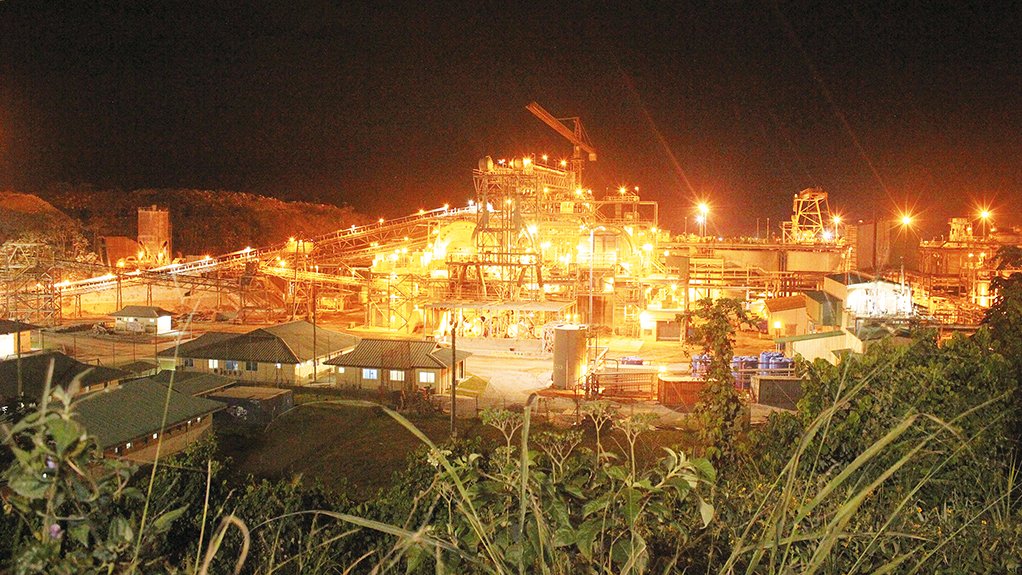
The Ghanaian government has formally ruled out the automatic renewal of Gold Fields’ Tarkwa mining lease ahead of its 2027 expiration, marking a decisive shift toward performance-based resource nationalism and a major recalibration of the country’s long-standing mining policy framework.
The move places one of West Africa’s most valuable gold assets under heightened regulatory scrutiny, signaling that future mining rights in Ghana will be determined by strict economic performance, domestic value creation, and national development priorities rather than historical precedent.
The Tarkwa mine, which produced approximately 427,000 ounces of gold in 2025 and generates an estimated $1 billion in annual revenue, sits at the center of this policy transformation.
A Break from Decades of Automatic Lease Renewals
Ghana’s Minerals Commission has made it clear that the long-standing practice of routine or automatic lease renewals for multinational mining firms is coming to an end.
Instead of treating expiration dates as procedural formalities, regulators now view them as firm decision points for reassessing the structure, performance, and national benefit of large-scale extractive assets.
By establishing 2027 as a hard cutoff for Tarkwa’s current lease, the state is signaling a broader intent to renegotiate how mineral wealth is extracted, distributed, and retained within the domestic economy.
Tough New Conditions for Renewal Consideration
Under the new framework, Gold Fields will only be considered for a possible extension if it meets significantly more demanding operational and economic requirements.
The Ministry of Lands and Natural Resources has outlined several key expectations for any future agreement, including:
- Comprehensive development plans: Detailed, multi-year extraction strategies designed to maximize recovery efficiency and extend the productive life of the Tarkwa asset
- Expanded local value creation: Strict procurement requirements mandating greater reliance on Ghanaian suppliers for equipment, fuel, engineering, and technical services
- Technology and skills transfer: Verifiable programs to transition senior technical, managerial, and executive roles from expatriates to Ghanaian professionals
Officials say these measures are intended to ensure that large-scale mining operations contribute more directly to industrial development and domestic capacity building.
The Damang Precedent Shapes Policy Direction
The government’s position on Tarkwa is closely linked to its recent actions regarding Gold Fields’ Damang operation, which was not renewed and subsequently transitioned to local control following regulatory intervention.
That decision has become a defining precedent in Ghana’s evolving resource governance model, demonstrating the state’s willingness to take assertive action in restructuring ownership of strategic mineral assets.
By moving decisively at Damang, authorities established a clear signal that lease continuation is no longer guaranteed, even for long-established international operators.
Rising Concern Among Investors and Industry Groups
The shift away from automatic renewals has prompted concern across the global mining and investment community, where Ghana has traditionally been viewed as one of Africa’s more stable extractive sector jurisdictions.
The Ghana Chamber of Mines has warned that reduced regulatory predictability could undermine investor confidence and potentially redirect capital toward competing mining destinations with more stable long-term frameworks.
At the same time, international analysts are reassessing the valuation models of mining assets across West Africa, factoring in increased political and regulatory intervention risk.
Some market observers suggest that Ghana’s policy direction could influence neighboring resource-rich countries, accelerating a broader regional trend toward more assertive state control over mineral wealth.
A Defining Moment for Ghana’s Mining Sector
The decision on Tarkwa represents a pivotal moment in Ghana’s mining industry, signaling the end of an era defined by predictable renewals and the beginning of a more interventionist, performance-driven regulatory regime.
As the 2027 deadline approaches, both the government and Gold Fields face high-stakes negotiations that will likely determine not only the future of one of Africa’s most productive gold mines, but also the long-term structure of foreign investment in Ghana’s extractive sector.
Source: Omanghana