Omanghana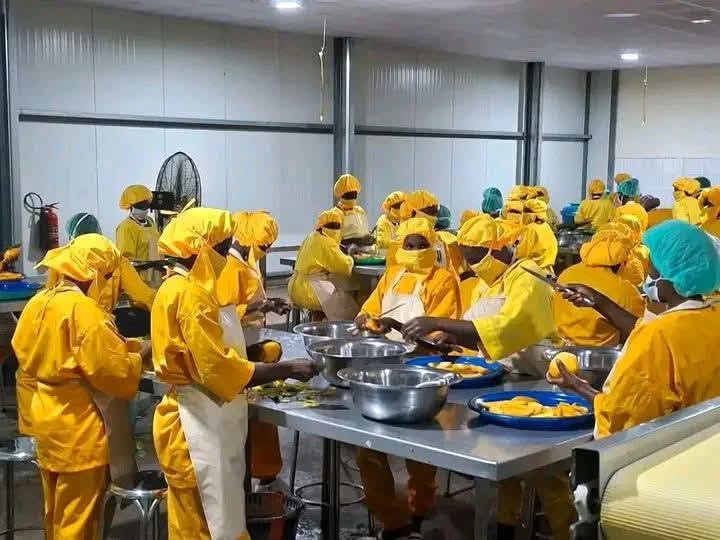
Burkina Faso has taken a significant step toward strengthening its agricultural industrialization agenda with the inauguration of a modern agro-processing facility in the village of Mê, located in the rural municipality of Péni in the Guiriko region.
Officially launched on June 6, 2026, the new industrial complex was developed by agro-industrial company GEBANA Faso and is expected to become one of the country’s largest agricultural processing hubs. The project reflects Burkina Faso’s growing emphasis on transforming raw agricultural products domestically rather than exporting them for processing abroad.
Spanning approximately 7.2 hectares, the facility is designed to create value within local supply chains, generate employment opportunities, and strengthen the country’s position in international agricultural markets.
Expanding Domestic Processing Capacity
The new plant features modern processing infrastructure capable of handling two of Burkina Faso’s most important agricultural products: cashew nuts and mangoes.
According to project details, the facility has an annual processing capacity of 10,000 tonnes of raw cashew nuts, allowing locally grown produce to be transformed into higher-value cashew kernels for export and domestic consumption.
In addition, the complex can produce up to 400 tonnes of organic dried mangoes annually, further expanding Burkina Faso’s footprint in the global dried fruit market.
The facility incorporates sustainability measures aimed at reducing waste and improving operational efficiency. By-products from cashew processing, including shells and organic residue, can be repurposed for composting or used as a source of thermal energy to power mango-drying operations, creating a more circular production model.
Strengthening Opportunities for Farmers
The launch is expected to have a direct impact on thousands of farming households across the region.
Historically, many producers have relied heavily on international commodity markets, where fluctuating prices can affect incomes and long-term planning. The new processing plant seeks to address this challenge by creating a more stable and integrated agricultural value chain.
More than 7,200 farmers and agricultural producers are expected to benefit from improved market access, structured purchasing arrangements, and stronger links to export markets through the facility’s operations.
By processing crops locally, a greater share of the economic value generated from agricultural production remains within Burkina Faso. Industry analysts note that processed cashew products typically command significantly higher prices on international markets than raw cashew nuts, increasing the potential economic returns available to local stakeholders.
Supporting Industrial Transformation
The Mê agro-processing plant aligns with Burkina Faso’s broader strategy to expand domestic manufacturing and agro-industrial production.
Government officials have increasingly emphasized the importance of moving beyond the export of raw commodities and developing industries capable of transforming local resources into finished or semi-finished products.
This approach aims to strengthen national industrial capacity, increase export earnings, and reduce dependence on external processing industries.
The cashew and mango sectors have emerged as key pillars of this strategy due to their strong export potential and importance to rural livelihoods.
Boosting Burkina Faso’s Position in Agricultural Markets
Burkina Faso has established itself as one of West Africa’s important agricultural producers, particularly in the cashew and mango sectors.
The country’s dried mango industry has gained international recognition, with Burkina Faso ranking among Africa’s leading exporters of organic dried mango products.
The addition of large-scale processing infrastructure is expected to improve production efficiency, support quality control standards, and enhance the country’s competitiveness in global markets.
By increasing domestic processing capacity, the facility may also help producers capture a larger share of value generated throughout the agricultural supply chain.
Job Creation and Community Development
Beyond its economic impact, the project is expected to create significant employment opportunities within the region.
The facility will require workers across multiple areas, including processing operations, packaging, logistics, quality assurance, maintenance, and administration.
Many of these positions are expected to benefit rural communities, providing alternative income opportunities beyond traditional farming activities.
Women, who play a critical role in agricultural processing and value-addition activities throughout Burkina Faso, are also expected to be among the primary beneficiaries of the plant’s workforce expansion.
Supporters of the project say the combination of industrial investment, job creation, and agricultural market development could contribute to broader rural economic growth while helping to strengthen food processing industries across the country.
As Burkina Faso continues to pursue its industrialization objectives, the inauguration of the Mê agro-processing complex represents a major milestone in the country’s efforts to build stronger domestic value chains, expand manufacturing capacity, and create new opportunities for farmers and rural communities.
Source: Omanghana