Omanghana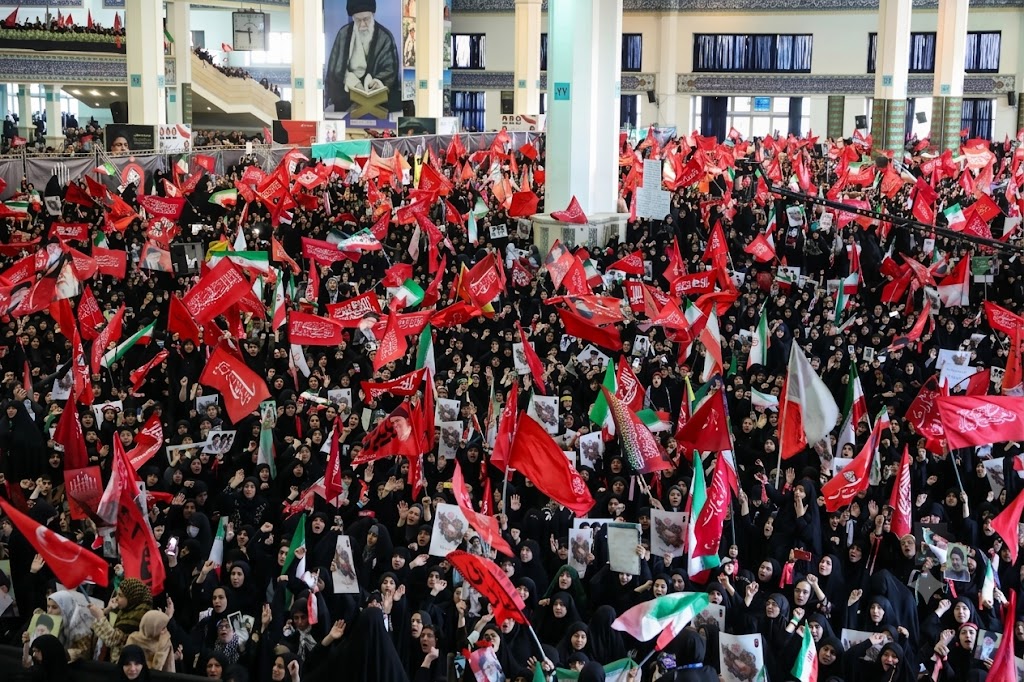
A fragile month-old peace framework between Iran and the United States has collapsed after a sharp escalation in military tensions, with Iranian Supreme Leader Mojtaba Khamenei warning Washington of “unforgettable lessons” as U.S. officials confirmed the deaths of American service members in Jordan.
The latest developments mark a dramatic deterioration in relations between the two countries, threatening renewed instability across the Middle East and raising concerns over security around the strategically vital Strait of Hormuz, a major global energy shipping route.
U.S. Troops Killed in Jordan
The U.S. military’s Central Command (CENTCOM) confirmed that two American service members were killed and another remains missing following attacks linked to Iran.
The deaths triggered a strong response from Washington, with President Donald Trump ordering another round of military strikes against Iranian targets.
U.S. Launches Retaliatory Strikes
The United States carried out its eighth consecutive night of airstrikes, targeting elements of Iran’s military infrastructure, including forces connected to the Islamic Revolutionary Guard Corps (IRGC).
Reports indicated that the strikes resulted in at least 50 deaths in Iran, further intensifying the confrontation between the two nations.
The military action came after Tehran suspended its commitments under the interim peace arrangement, effectively ending diplomatic efforts aimed at easing tensions.
President Trump responded by dismissing Iran’s decision and signaling that Washington would continue applying pressure until its security objectives were met.
Regional Infrastructure Comes Under Attack
The conflict has expanded beyond direct military targets, with critical infrastructure across the region coming under threat.
Iranian Drone Strikes in Kuwait
Iranian drones reportedly targeted U.S. military facilities in Kuwait, including a weapons depot at Camp Udairi.
The attacks also caused damage to a Kuwaiti oil facility and a desalination plant, raising concerns over the security of vital energy and water infrastructure in the Gulf region.
U.S. Strikes Inside Iran
Iran reported that U.S.-led military operations struck several strategic sites, including bridges, an airport, and a railway station.
The attacks have increased fears that the conflict could widen beyond military installations and affect civilian infrastructure and regional economies.
Regional Defenses Activated
Countries across the Gulf have increased security measures as tensions continue to rise.
Air defense systems in Bahrain and Jordan were activated, with reports indicating that several incoming threats were successfully intercepted.
Governments in the region remain on high alert amid concerns that additional attacks could disrupt energy supplies, trade routes, and civilian aviation.
Hardline Statements Raise Fears of Wider Conflict
Supreme Leader Mojtaba Khamenei declared that previous agreements with Washington were no longer valid and accused the United States of violating commitments.
Iranian military advisers also warned that Tehran could shift from defensive responses to broader offensive operations if attacks continue.
The increasingly aggressive rhetoric from both sides has raised fears that the collapse of the peace framework could lead to a prolonged confrontation with consequences far beyond Iran and the United States.
Strait of Hormuz at the Center of the Crisis
At the heart of the dispute is control and security around the Strait of Hormuz, one of the world’s most important maritime chokepoints through which a significant share of global oil supplies passes.
Any prolonged disruption in the region could have major implications for international energy markets, shipping routes, and global economic stability.
As diplomatic channels weaken and military operations intensify, international leaders are calling for restraint to prevent the crisis from escalating into a wider regional war.
Source: Omanghana