Omanghana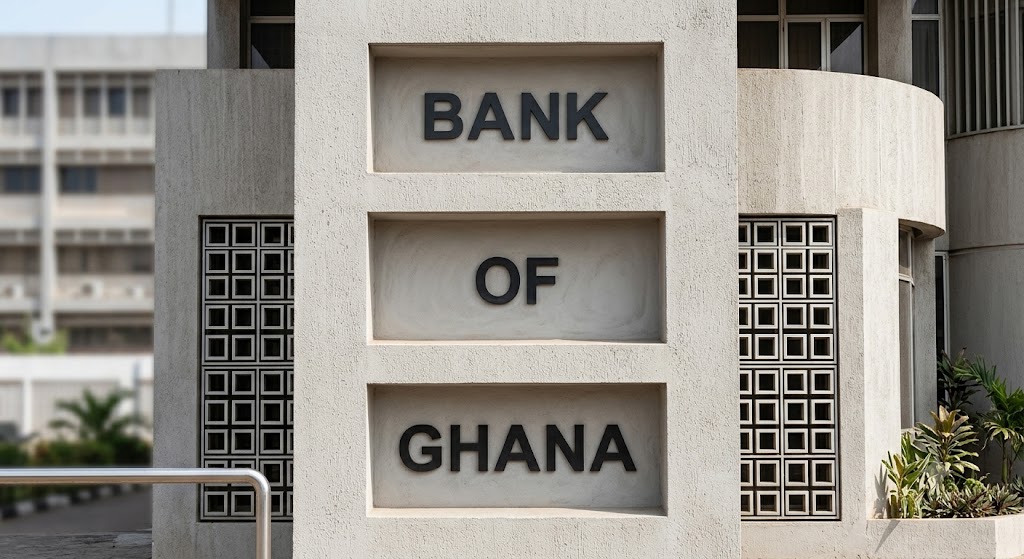
The Bank of Ghana (BoG) has reaffirmed that Ghana’s economy continues to demonstrate strong resilience, supported by robust growth in the extractive industries, services, and agriculture sectors.
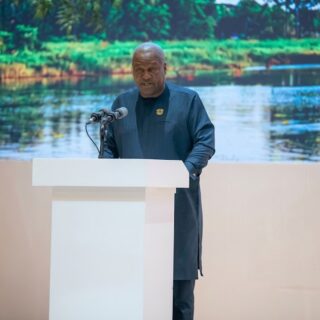
Governor Dr. Johnson Pandit Asiama said the country’s improving macroeconomic fundamentals have created the conditions for the central bank to begin easing its previously tight monetary policy stance, with the aim of supporting private sector growth and expanding access to credit.
According to the Governor, Ghana has maintained its recovery momentum despite global economic uncertainties, reflecting the impact of ongoing fiscal and monetary reforms.
GDP Growth Exceeds Expectations
Ghana’s economic performance has remained stronger than anticipated, with real Gross Domestic Product (GDP) growth accelerating after a solid performance in 2025.
Following an overall real GDP growth rate of 6.0 percent in 2025, the economy expanded by 6.4 percent year-on-year during the first quarter of 2026, outperforming earlier projections.
The stronger-than-expected growth has prompted several international analysts to revise Ghana’s full-year economic growth forecast upward to 5.7 percent, citing continued expansion across key productive sectors.
The extractive industry, services sector, and agriculture have remained the primary drivers of the country’s economic recovery, contributing significantly to increased output and improved business activity.
Inflation Returns to Target Range
The Bank of Ghana also highlighted significant progress in restoring price stability.
Headline inflation has fallen sharply from 23.8 percent in December 2024 to 5.4 percent in early 2026, bringing inflation back within the central bank’s target range for the first time in several years.
The sustained decline reflects tighter fiscal management, prudent monetary policy, improved exchange rate stability, and easing supply-side pressures.
Lower inflation is expected to boost consumer purchasing power, reduce business costs, and improve overall economic confidence.
BoG Cuts Policy Rate to Support Businesses
With inflation firmly under control, the Monetary Policy Committee (MPC) has begun easing monetary policy to stimulate economic activity.
The Committee approved a 250-basis-point reduction in the benchmark policy rate, lowering it to 15.50 percent.
According to Dr. Asiama, the rate cut is expected to encourage commercial banks to expand lending to businesses and households, stimulate investment, and support job creation while maintaining overall macroeconomic stability.
The move marks a significant shift from the aggressive monetary tightening implemented during the peak of the inflation crisis.
Foreign Reserves Continue to Strengthen
The Governor also pointed to Ghana’s improving external position, noting that the Bank’s Domestic Gold Purchase Programme has played a key role in strengthening the country’s foreign exchange reserves.
Gross international reserves have increased to US$13.9 billion, providing approximately 5.7 months of import cover.
The stronger reserve position has helped stabilize the Ghana cedi, improve investor confidence, and enhance the country’s ability to absorb external economic shocks.
Global Risks Remain
Despite the positive outlook, the Bank of Ghana cautioned that several external risks could affect the country’s economic performance during the remainder of the year.
Among the major concerns are geopolitical tensions in the Middle East, which continue to disrupt global supply chains and create volatility in international energy markets.
The central bank warned that sustained increases in global oil and commodity prices could translate into higher import costs, potentially placing renewed pressure on domestic food and fuel prices.
Weather Conditions Pose Agricultural Risks
The Bank also identified climate-related risks as another area requiring close monitoring.
Expected El Niño-related weather conditions during the second half of the year could affect agricultural production, with possible implications for food supply, inflation, and rural livelihoods.
Officials said the central bank will continue to monitor developments closely as part of its broader assessment of inflation and economic stability.
Fiscal Discipline Remains Critical
While acknowledging the economy’s strong recovery, the Bank stressed that maintaining fiscal discipline remains essential to preserving recent gains.
Ghana’s total public debt currently stands at approximately GH¢674.1 billion (US$63.1 billion), underscoring the need for continued implementation of structural reforms under the country’s International Monetary Fund (IMF)-supported programme.
Dr. Asiama emphasized that prudent fiscal management, ongoing structural reforms, and coordinated monetary policies will be critical to sustaining economic growth, safeguarding macroeconomic stability, and building resilience against future global shocks.
The Bank of Ghana remains optimistic that, with continued policy discipline and favorable domestic conditions, the country’s economy is well positioned to maintain its recovery trajectory while supporting inclusive and sustainable growth.
Source: Omanghana