Omanghana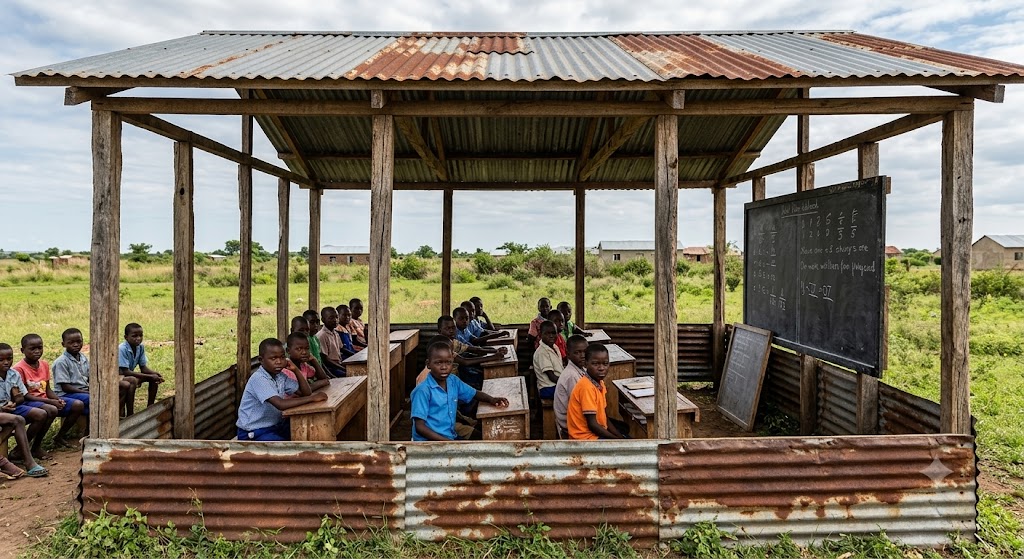
Five farming communities in the Krachi West Municipality of the Oti Region are facing severe developmental challenges after an investigative assessment revealed that they remain without access to basic infrastructure and essential public services.
The affected communities — Wankayaw, Anyinam, Obisambo, Gbi-Kpezo, and Jerusalem — are described as being largely isolated from mainstream development, with residents enduring difficulties in transportation, healthcare delivery, education, and access to electricity.
Community leaders say the lack of infrastructure has created major obstacles to economic growth and social progress, despite the communities’ significant contribution to agricultural production within the municipality.
Poor Roads Isolate Farming Communities
One of the most pressing challenges facing the communities is the poor state of the road network.
Residents rely on severely damaged dirt tracks that become nearly impossible to use during the rainy season. The roads reportedly turn into muddy paths, leaving communities cut off from nearby towns and markets.
The poor road conditions have particularly affected farmers who depend on transporting major food crops, including:
- Yam.
- Cassava.
- Maize.
Farmers say the difficulty in moving produce to the Krachi market often leads to post-harvest losses, reduced income, and increased transportation costs.
Many residents believe that improving road access would significantly boost agricultural productivity and improve livelihoods.
No Healthcare Facilities Available
Healthcare access remains another major concern, as none of the five communities has a Community-Based Health Planning and Services (CHPS) compound, clinic, or nearby medical facility.
Residents said pregnant women, elderly persons, and critically ill individuals often face dangerous journeys to access healthcare services at the municipal capital.
In emergency situations, patients are reportedly transported over long distances using motorcycles or makeshift stretchers because of the absence of reliable transport and healthcare infrastructure.
Community members say these conditions increase the risk of preventable health complications and sometimes put lives at risk.
Children Study Under Trees and Dilapidated Structures
The education situation in the communities has also become a major concern.
The assessment found that the area lacks proper school infrastructure, forcing children to receive lessons under trees or in old, unsafe mud structures.
During rainy periods, teaching activities are often disrupted as the temporary learning spaces become unusable.
Parents and community leaders say the lack of suitable classrooms contributes to absenteeism, school dropout rates, and declining literacy levels among children.
They are calling for urgent investment in permanent school buildings and improved learning facilities.
Communities Living Without Electricity
Residents of Wankayaw, Anyinam, Obisambo, Gbi-Kpezo, and Jerusalem also remain disconnected from the national electricity grid.
The absence of power has affected both economic activities and education.
Farmers are unable to establish processing facilities such as mills to add value to their agricultural products, limiting opportunities for income generation.
Students also struggle to study after dark, making academic progress more difficult.
Community leaders argue that electricity access would improve business opportunities, education outcomes, and overall living conditions.
Chiefs and Residents Appeal for Government Intervention
Traditional leaders and youth representatives from the affected communities have appealed to the Ministry of Roads and Highways, Ministry of Education, and the Krachi West Municipal Assembly to intervene urgently.
They argue that despite their contribution to the municipality’s agricultural output, the communities have been neglected by successive administrations.
The leaders are requesting a comprehensive development plan that addresses roads, healthcare, education, electricity, and other basic services.
Call for Inclusive Development
Residents believe that connecting these communities to essential infrastructure would not only improve living standards but also unlock their economic potential.
They are urging authorities to prioritize rural development and ensure that communities contributing to food production are not left behind in national development efforts.
For the people of Wankayaw, Anyinam, Obisambo, Gbi-Kpezo, and Jerusalem, access to roads, schools, healthcare, and electricity remains a long-awaited promise they hope will finally become a reality.
Source: Omanghana