Omanghana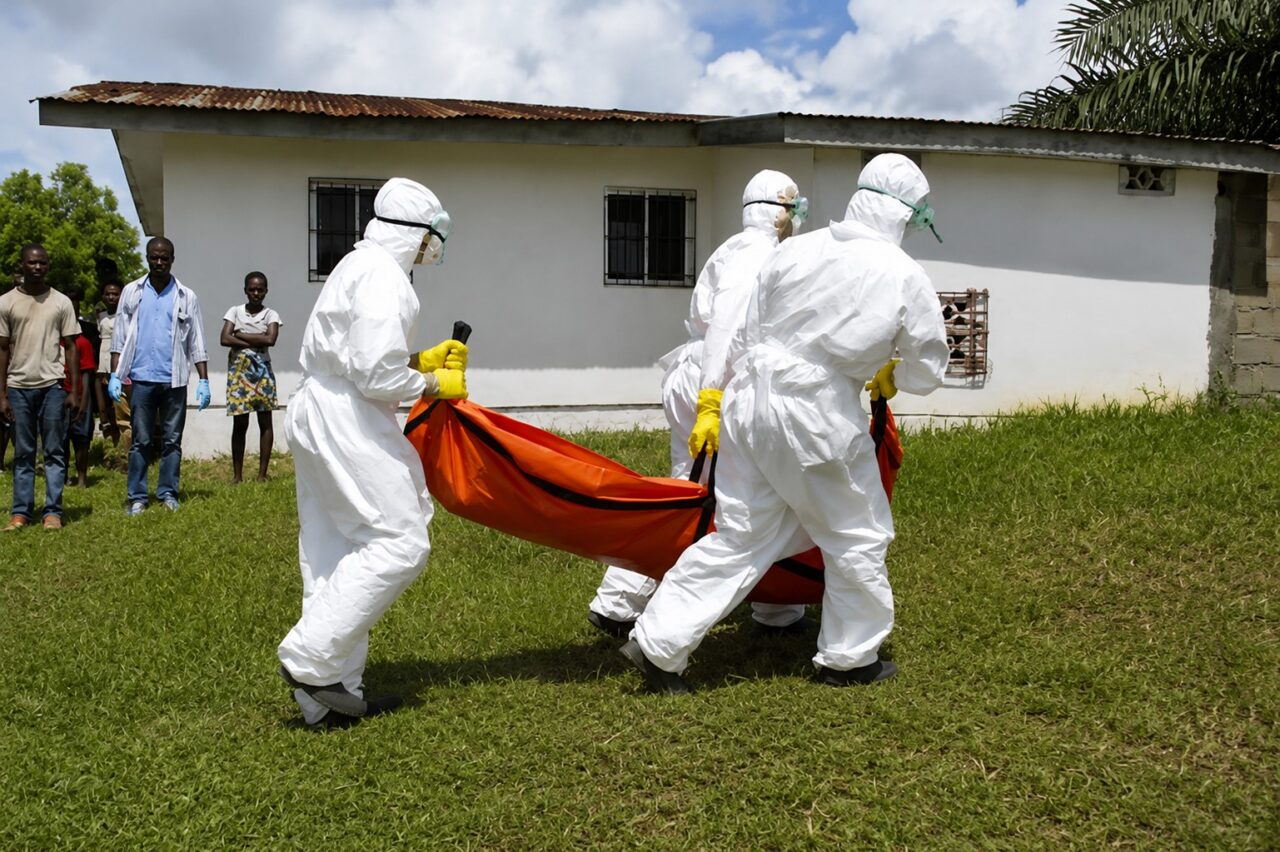
According to the latest figures released by the World Health Organization (WHO), the outbreak has claimed 1,001 lives, including 999 confirmed deaths in the DRC and two in neighboring Uganda.
WHO Warns of Unprecedented Spread
The WHO has described the current outbreak as the fastest-growing Ebola epidemic ever recorded, citing the extraordinary pace at which infections have increased.
Health officials reported that the outbreak exceeded 1,000 confirmed cases within just 40 days of the emergency response being activated.
For comparison, the major Ebola outbreak in North Kivu in 2018 took 235 days to reach the same milestone.
WHO Director-General Dr. Tedros Adhanom Ghebreyesus warned that the virus has spread more rapidly over the past month than during any previous Ebola outbreak.
Thousands of Confirmed Cases
As of the latest update:
- Democratic Republic of the Congo: 2,473 confirmed Ebola cases
- Uganda: 20 confirmed cases
- Combined deaths: 1,001
The overwhelming majority of infections and fatalities continue to be recorded in the DRC.
Bundibugyo Strain Complicates Response
Health experts say the severity of the outbreak is largely due to the Bundibugyo strain of the Ebola virus.
Unlike the more common Zaire strain, the Bundibugyo variant currently has no approved vaccine or standard targeted treatment, making containment efforts significantly more challenging.
To combat the outbreak, medical teams are conducting field trials involving:
- An experimental Ebola vaccine
- A post-exposure preventive treatment
- Two investigational therapeutic protocols
Researchers hope the trials will help identify effective tools for controlling the disease and reducing fatalities.
Conflict Hampers Containment Efforts
Emergency response operations remain concentrated in the Ituri Province in northeastern DRC, where ongoing violence and insecurity continue to complicate public health efforts.
The mineral-rich region has long been affected by armed conflict, widespread poverty, and population displacement, making it difficult for health workers to trace contacts, isolate patients, and interrupt transmission chains.
Aid agencies say insecurity has become one of the biggest obstacles to controlling the outbreak.
Uganda Moves Closer to Ending Outbreak
While the situation in the DRC continues to deteriorate, Uganda has made significant progress in containing the virus.
Health authorities confirmed that all confirmed cases were successfully isolated in the capital, Kampala, preventing wider community transmission.
On July 16, 2026, Uganda discharged its final Ebola patient, marking the beginning of the 42-day observation period required before the country can officially declare the outbreak over if no new cases emerge.
Children Among the Hardest Hit
Humanitarian organizations have raised alarm over the devastating impact of the outbreak on children in the DRC.
According to aid agencies:
- 476 children have contracted Ebola.
- More than 189 children have died from the disease.
The figures highlight the growing humanitarian crisis as health workers continue efforts to contain the virus and protect vulnerable communities.
Global Health Officials Urge Continued Vigilance
The WHO has called for sustained international support as response teams work to contain the outbreak, accelerate clinical trials, and strengthen surveillance in affected areas.
With the death toll continuing to rise and no approved vaccine available for the Bundibugyo strain, health experts warn that rapid intervention and coordinated international assistance will be critical to preventing further loss of life.
Source: Omanghana