Omanghana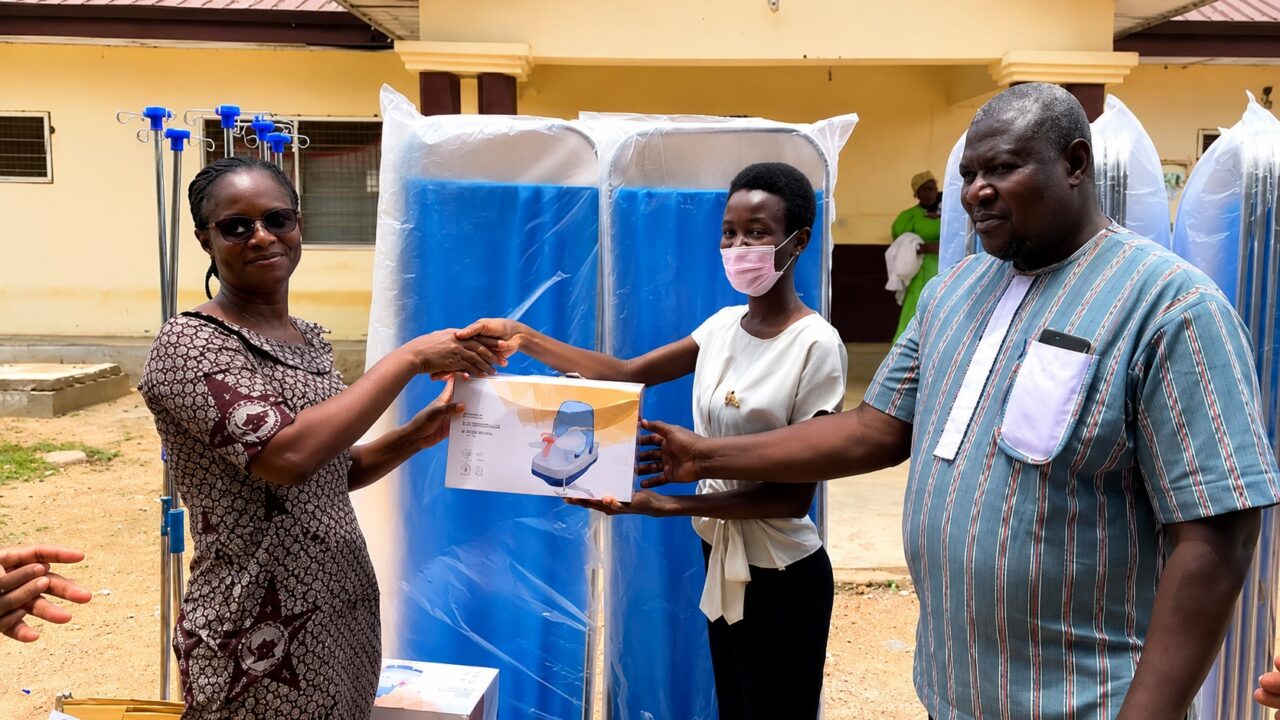
Dr. Ama Antwiwaa Adu-Appiah of the Paga Hospital in Ghana’s Upper East Region has donated a GH¢20,000 cash award she received from the Paga Youth Movement to help purchase essential medical equipment for the facility.
The donation, announced on Saturday, July 25, 2026, is intended to address shortages at the hospital and improve the quality of healthcare available to residents of Paga and surrounding communities.
The Paga Youth Movement, popularly known as PAYOM, presented the money to Dr. Adu-Appiah on July 16 in recognition of her decision to accept a posting to the rural border community.
Attracting and retaining medical professionals remains a significant challenge for many healthcare facilities in rural Ghana. Some newly trained doctors and specialists reportedly hesitate to accept postings outside major cities because of limited infrastructure, accommodation and professional development opportunities.
PAYOM therefore offered the GH¢20,000 as a personal incentive to recognise Dr. Adu-Appiah’s willingness to serve at the hospital. However, instead of keeping the money, she redirected the entire amount towards meeting some of the facility’s urgent equipment needs.
The funds were used to procure several diagnostic and patient-care devices, including a fetal Doppler, vein finder, haemoglobin analyser and blood pressure monitors.
A fetal Doppler allows healthcare professionals to monitor the heartbeat of an unborn baby, making it particularly useful for antenatal examinations and maternity care. The vein finder will assist nurses and doctors in locating veins more easily when administering injections, inserting intravenous lines or collecting blood samples.
The haemoglobin analyser will help medical personnel assess patients for conditions such as anaemia, while the blood pressure machines will strengthen routine monitoring and the early detection of hypertension and related medical complications.
Other items purchased through the donation include nebulisers, drip stands, ward screens and a baby weighing scale. Hygiene and sanitation supplies were also acquired to support infection prevention and improve conditions for patients and healthcare workers.
Nebulisers are commonly used to administer medication to patients experiencing asthma attacks and other respiratory difficulties. Ward screens provide privacy during medical examinations and treatment, while drip stands support the safe administration of intravenous fluids.
The baby scale will help healthcare workers monitor the weight and development of newborns and infants. This is particularly important for identifying children who may require additional nutritional or medical attention.
Beyond the doctor’s contribution, PAYOM has pledged an additional GH¢10,000 to improve the hospital’s consulting room. The proposed upgrade is expected to create a more suitable environment for examinations, diagnosis and confidential interactions between healthcare providers and patients.
Dr. Adu-Appiah’s decision has received widespread praise from residents and other stakeholders, who described the gesture as an example of commitment to public service and community development.
Her action is expected to provide immediate benefits to the hospital while drawing attention to the broader equipment and staffing challenges facing rural health facilities.
Residents of Paga and nearby communities depend on the hospital for a range of services, including outpatient consultations, emergency care, antenatal support, deliveries and treatment for common illnesses. Equipment shortages can delay diagnosis, complicate treatment and force some patients to travel long distances to larger facilities.
PAYOM’s initiative also demonstrates the role local organisations can play in supporting healthcare delivery. Through community contributions and partnerships, such groups can provide incentives for health professionals and help facilities obtain supplies that may not be immediately available through government funding.
The youth movement’s decision to reward Dr. Adu-Appiah was prompted by the difficulty of attracting doctors to underserved areas in the Upper East Region. Organisers hope the initiative will encourage more medical professionals to accept rural postings and inspire residents and institutions to support those who serve in such communities.
While the donations will not resolve all the challenges facing Paga Hospital, the new equipment is expected to strengthen its capacity to provide timely and effective care.
Dr. Adu-Appiah’s gesture has also renewed calls for sustained investment in rural healthcare, including improved staff accommodation, reliable equipment, adequate medical supplies and stronger incentives for doctors, nurses and other professionals posted outside major urban centers.
Source: Omanghana