Omanghana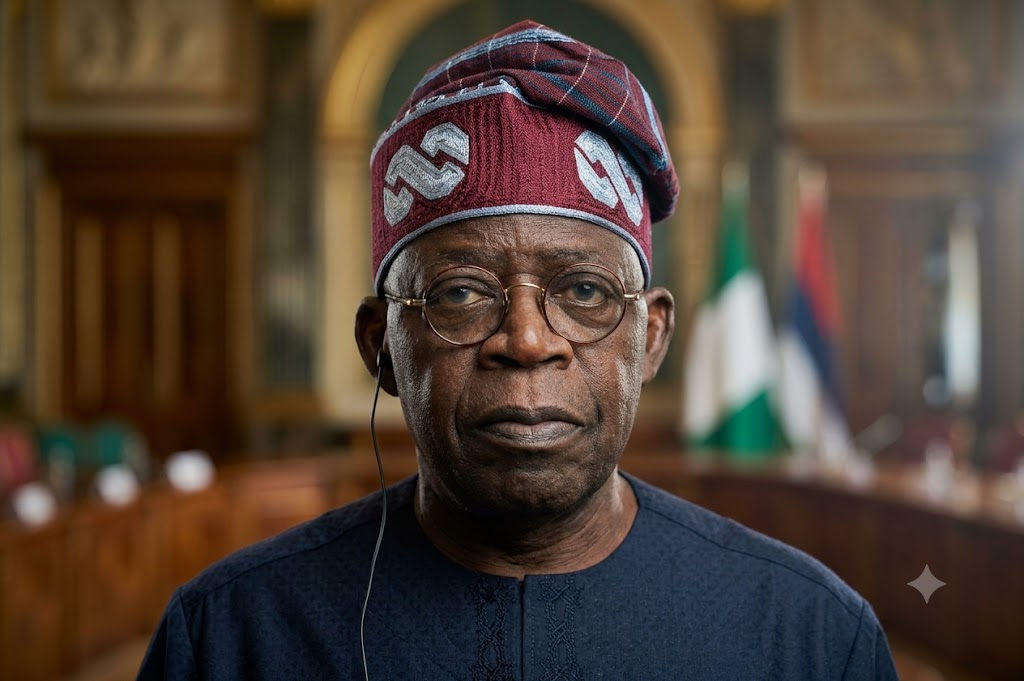
Nigerian President Bola Tinubu has declined to meet a high-level South African delegation sent to Abuja as Pretoria seeks to ease worsening diplomatic tensions linked to renewed xenophobic violence.
The delegation, led by South Africa’s Minister of International Relations and Cooperation, Ronald Lamola, reportedly arrived in Abuja on Friday, July 24, 2026, carrying a message from President Cyril Ramaphosa.
After waiting for an audience with Tinubu, the envoys were directed to hold discussions with Nigeria’s newly appointed Minister of State for Foreign Affairs, Ambassador Sola Enikanolaiye.
The decision has been interpreted as a strong expression of Nigeria’s dissatisfaction with South Africa’s response to attacks affecting Nigerian citizens. Neither side, however, has indicated that formal diplomatic relations have been suspended.
Delegation Reportedly Arrived Without Appointment
Sources familiar with the visit said the South African delegation travelled to Abuja without securing a confirmed appointment with President Tinubu.
Although the envoys reportedly hoped to deliver Ramaphosa’s message directly, Nigerian officials maintained that the appropriate diplomatic procedures had not been completed before their arrival.
High-level meetings involving heads of state are normally coordinated in advance through diplomatic channels, with the agenda, timing and composition of delegations agreed upon beforehand.
The absence of a formal appointment reportedly contributed to Tinubu’s decision not to receive the delegation personally.
Nigerian Foreign Ministry Opposed Direct Meeting
Nigeria’s Minister of Foreign Affairs, Ambassador Bianca Odumegwu-Ojukwu, reportedly advised that a presidential audience would be inappropriate while attacks against Nigerians in South Africa remained unresolved.
Nigerian officials have demanded stronger action from Pretoria to protect foreign nationals, investigate reported abuses and hold perpetrators accountable.
Tinubu subsequently referred the delegation to Ambassador Enikanolaiye, who was tasked with receiving the message and discussing the crisis on behalf of the Nigerian government.
The referral allowed diplomatic engagement to continue while signalling that Abuja was not prepared to treat the dispute as a routine bilateral matter.
Death of Chika Ibe Deepens Anger
The diplomatic confrontation intensified following the reported death of Nigerian national Chika Ibe in Cape Town.
Ibe was allegedly killed during an encounter involving members of the South African Police Service. The precise circumstances remain disputed and require a transparent investigation by the relevant authorities.
The incident fuelled anger in Nigeria, where lawmakers, civil-society groups and members of the public have demanded justice and stronger protection for citizens living in South Africa.
Abuja is expected to seek a detailed account of the incident, including any available video evidence, witness testimony and official police records.
The Nigerian government may also demand disciplinary or criminal action if an investigation establishes wrongdoing by police officers.
Nigeria Demands Implementation of Early Warning Mechanism
A major source of tension is South Africa’s delayed implementation of a bilateral Memorandum of Understanding on an Early Warning Mechanism.
The agreement is intended to help the two governments identify signs of anti-migrant mobilisation and respond before threats escalate into violence.
Under such a mechanism, diplomatic missions, security agencies and community leaders would be expected to share information about emerging risks and coordinate protective action.
Nigeria argues that the arrangement has not been fully implemented, limiting its effectiveness during recent unrest.
Abuja is now demanding that Pretoria formally activate and enforce the agreement as part of any effort to repair relations.
About 1,500 Nigerians Evacuated
The Nigerian government has reportedly evacuated approximately 1,500 citizens from South Africa as fears of further violence continue.
The operation was organised to assist people who voluntarily requested repatriation because they no longer felt safe remaining in the country.
Returning citizens may require employment, accommodation and financial assistance as they rebuild their lives in Nigeria. Some may also have lost businesses, personal belongings or income because of the speed of their departure.
The evacuations have increased domestic pressure on Tinubu’s administration to take a firmer position against Pretoria.
Senate Faces Calls to Sever Relations
Some members of the Nigerian Senate have urged the government to consider severing diplomatic ties with South Africa.
Supporters of a tougher response argue that repeated attacks on Nigerians require more than formal protests and diplomatic assurances. They have called for stronger political and economic measures until South Africa demonstrates that foreign nationals can be protected.
Breaking diplomatic relations would be an extraordinary step with far-reaching consequences for trade, investment, travel and regional cooperation.
Nigeria and South Africa are two of Africa’s largest economies, and companies from both countries maintain significant commercial interests across the continent.
A rupture could affect banking, telecommunications, retail, aviation and other sectors while weakening cooperation within the African Union.
Pretoria Faces Pressure to Produce Concrete Results
South Africa’s delegation is expected to use its discussions with Ambassador Enikanolaiye to explain Pretoria’s response to the violence and offer proposals for preventing further attacks.
Nigeria is likely to demand concrete commitments rather than general assurances. These may include investigations into reported killings, prosecution of offenders, protection for migrant communities and full implementation of the Early Warning Mechanism.
The talks could also address compensation, repatriation support and the safety of Nigerians who choose to remain in South Africa.
Although Tinubu’s refusal to grant a direct audience represents a diplomatic setback for Pretoria, the decision to allow ministerial-level discussions leaves room for de-escalation.
The future of the relationship may now depend on whether South Africa can demonstrate measurable progress in protecting Nigerian nationals and addressing the grievances raised by Abuja.
Source: Omanghana