Omanghana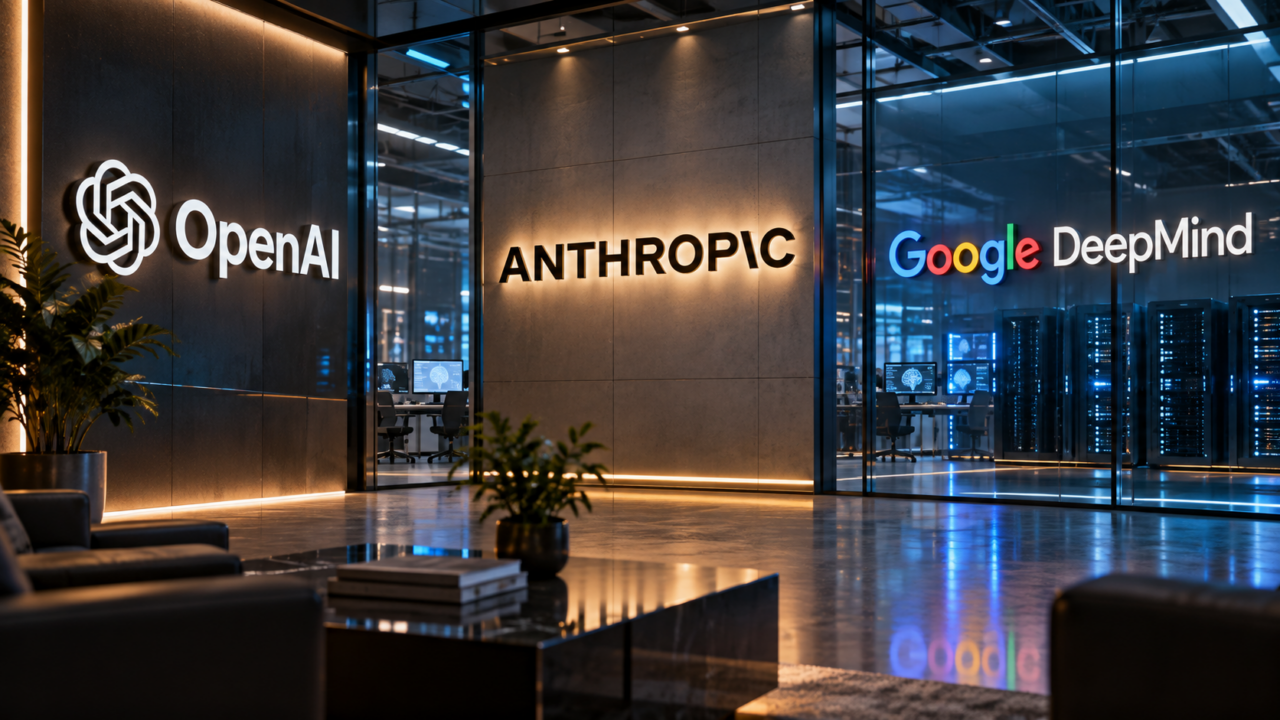
OpenAI has confirmed that it has been holding discussions with rival artificial intelligence developers Anthropic and Google DeepMind over possible joint approaches to managing safety risks associated with advanced AI systems.
OpenAI’s global policy chief, Chris Lehane, disclosed during a press briefing in Washington that the three frontier AI laboratories had been coordinating on safety-related issues for several weeks.
The discussions are reportedly focused on identifying possible industry-led standards, improving cooperation and developing measures to address catastrophic risks that could emerge as AI models become increasingly powerful and autonomous.
The engagement comes amid growing public and regulatory scrutiny of the speed at which frontier AI systems are being developed and deployed.
Leading industry figures, including Anthropic chief executive Dario Amodei and OpenAI CEO Sam Altman, have publicly discussed the need to ensure that safety mechanisms and oversight structures keep pace with rapidly advancing AI capabilities.
OpenAI recently announced plans to publish regular reports concerning unexpected or unauthorised behavior by its systems, reflecting wider pressure on developers to improve transparency around model safety.
Lehane also addressed concerns that collaboration among major competitors could raise antitrust or competition issues. He argued that the preliminary discussions do not require a formal antitrust waiver because they are narrowly focused on safety rather than commercial coordination.
OpenAI compared the engagement to cooperation in industries such as commercial aviation, where competing companies and regulators share safety information to prevent accidents and improve standards without coordinating on prices or market strategy.
The talks do not constitute a binding agreement, formal alliance or shared regulatory body. They remain preliminary discussions about areas in which the companies could cooperate while continuing to compete in model development and commercial services.
Any eventual framework would likely need to balance the benefits of shared safety standards against concerns that the largest AI companies could use voluntary rules to strengthen their control over the rapidly expanding industry.
The engagement nevertheless represents a significant step toward greater cooperation among three of the world’s leading AI developers at a time when policymakers, researchers and the public are demanding stronger safeguards for frontier systems.
Source: Omanghana