Omanghana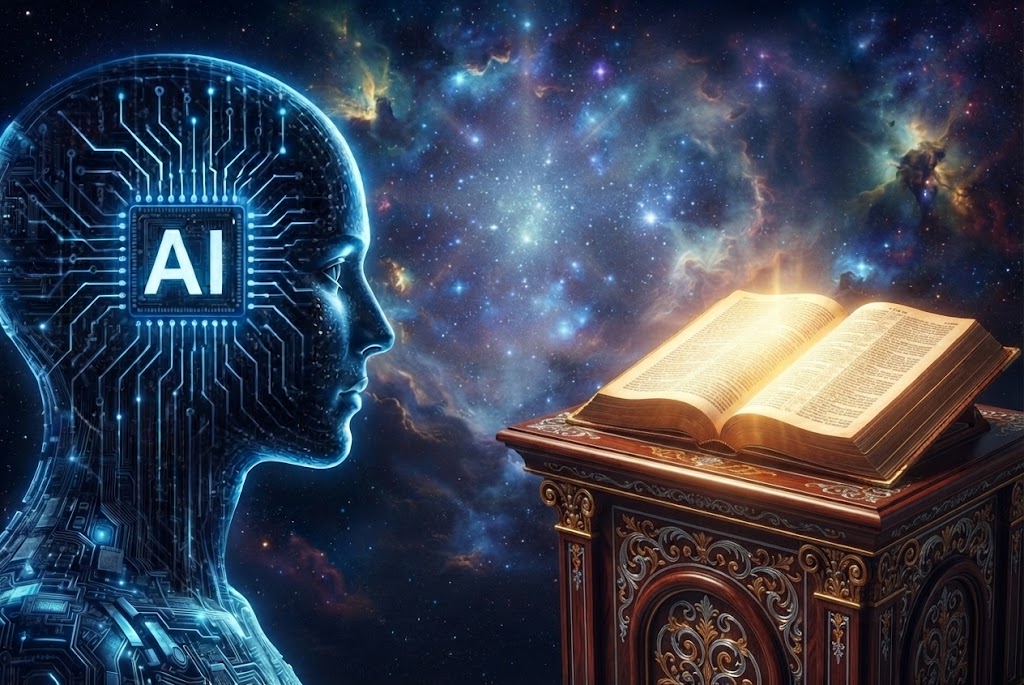
Artificial intelligence can write essays, generate artwork, imitate human conversation and even produce sermons or prayers. However, Christian theology maintains that no computer code, neural network or machine can replace what God has created.
The key difference is not simply what AI can do but what AI fundamentally is. A machine may reproduce patterns associated with human thought and creativity, but it does not possess the spiritual identity, embodied existence or moral responsibility Scripture attributes to human beings.
Genesis 1:27 states that humanity was created in the image of God, a doctrine commonly known as the Imago Dei. This gives every person an inherent dignity that does not depend on intelligence, productivity, physical ability or social status.
AI, by comparison, is created by human beings. It is produced from human knowledge, language, engineering and data. Rather than bearing God’s image, it reflects the abilities, assumptions and limitations of its designers and the information used to develop it.
This means AI remains a secondary creation. It rearranges and processes elements drawn from a world that already exists, using intellectual and material resources ultimately found within God’s creation.
Christian theology also affirms the goodness and importance of physical existence. In Genesis 1:31, God declares creation “very good.” The Christian faith reaches its center in the incarnation, when Jesus Christ became flesh and lived among humanity, as recorded in John 1:14.
Christ’s bodily resurrection further demonstrates that physical life is not an insignificant container to be discarded. The body is an essential part of human identity and God’s redemptive purpose.
AI has no biological life or personal physical experience. It does not become hungry, tired, sick or old. It cannot experience pain, embrace another person or sit beside a hospital bed as a conscious companion.
A system may analyze medical information or generate comforting words for a grieving family, but it cannot share in suffering or offer genuine human presence. It can describe reality without personally experiencing it.
Human limitations are also spiritually significant. Hunger, weakness, exhaustion and mortality remind people that they are not self-sufficient. These limitations can become places where humility, compassion, dependence on God and sacrificial love are developed.
AI also processes information differently from how people experience meaning. It identifies patterns, calculates probabilities and produces responses based on data and programming. Its output may appear thoughtful or compassionate, but that appearance should not automatically be confused with consciousness, moral understanding or spiritual life.
A machine can generate the words of a prayer without praying. It can produce a worship song without worshipping. It can quote Scripture without believing, repenting or loving God.
Christian worship involves the heart, will and spirit of a person responding to the Creator. Jesus teaches in John 4:24 that true worshippers must worship God in spirit and truth.
Relationship with God also involves moral freedom and responsibility. Human beings can obey or rebel, love or hate, forgive or seek revenge. They can be held accountable for their decisions because they are moral agents.
AI cannot repent of sin, receive salvation or enter a covenant relationship with God. Responsibility for its design and use remains with the people and institutions that create, deploy and control it.
This distinction should not lead Christians to reject technology. AI can be used as a tool for research, administration, communication, education and other beneficial purposes when appropriate safeguards are in place.
The church’s responsibility is to ensure that technological convenience does not replace human dignity, personal relationships or spiritual discernment.
Christians can demonstrate humanity’s uniqueness by prioritizing embodied fellowship over digital isolation, patient wisdom over instant answers and sacrificial love over mere efficiency.
No matter how sophisticated artificial intelligence becomes, Christian theology holds that it remains a human-made tool. It may imitate aspects of human expression, but it cannot bear God’s image, possess spiritual life or replace the living creation that God called good.
Source: Omanghana