Omanghana
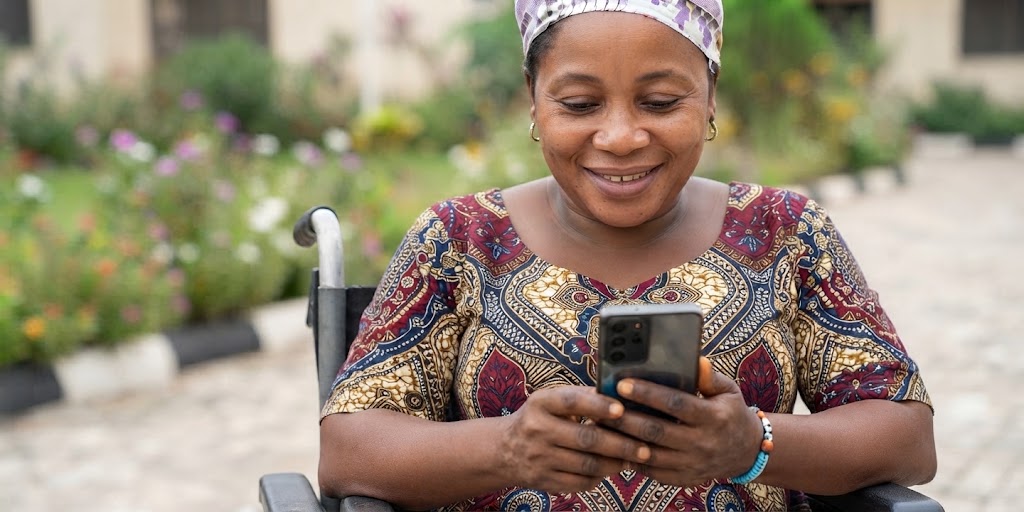
Ghana’s expanding digital payments sector is creating opportunities for small businesses to collect revenue faster, improve financial records and reach customers across different banking and mobile money platforms.
The shift matters for an economy in which micro, small and medium-sized enterprises account for approximately 92 per cent of businesses, according to the United Nations Capital Development Fund (UNCDF). Many of these enterprises still face difficulties accessing affordable credit because of limited collateral and demanding lending requirements.
The scale of digital payment activity continues to grow. Bank of Ghana figures reported by the Ghanaian Times show that mobile money transaction values reached GH¢4.54 trillion in 2025, an increase of 50.8 per cent from GH¢3.01 trillion in 2024. These figures cover transfers and other transactions, rather than retail purchases alone.
For merchants, accepting electronic payments can reduce the amount of cash handled on business premises and the time spent taking proceeds to bank branches. Transaction records also make it easier to track receipts, reconcile sales and monitor business performance.
Ghana’s payment infrastructure is helping reduce barriers between providers. Mobile money interoperability enables transfers across networks and between wallets and bank accounts, while the Ghana Interbank Payment and Settlement Systems’ GhQR service allows participating merchants to receive payments through a common QR code. This gives customers greater flexibility when choosing how to pay.
Digital records also offer a potential route to improved financing. With a clearer picture of sales and cash flow, lenders can supplement traditional assessments when considering applications from businesses with limited formal financial histories.
UNCDF and its partners have supported five digital finance solutions targeting underserved enterprises, particularly businesses led by women and young people. These include digital lending, bookkeeping, savings and credit-scoring services designed to address gaps in conventional financing.
Better payment records can also support accounting and tax preparation. However, accepting digital payments does not automatically make a business compliant with tax requirements or eligible for loans and government grants; each program or obligation has its own conditions.
The opportunity for Ghana’s small businesses therefore extends beyond receiving money electronically. When combined with sound recordkeeping and suitable financial services, digital payments can support stronger day-to-day management and better-informed expansion decisions.
Source: Omanghana