Omanghana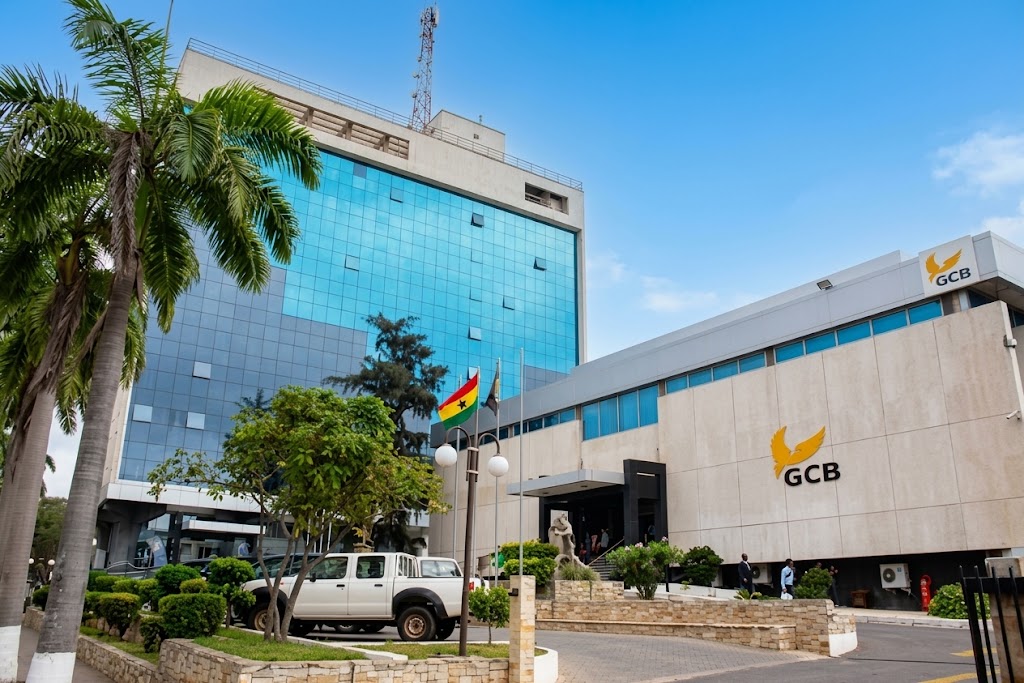
GCB Bank has overtaken Ecobank Ghana to become the country’s leading bank by customer deposits, according to the latest PwC Ghana Banking Survey released in August 2026.
The survey, which reviewed the performance of Ghana’s banking industry during the 2025 financial year, showed that GCB Bank increased its share of total deposits to 12.37%.
Ecobank Ghana, which previously occupied the leading position, saw its market share fall to 10.52%, placing it second in the industry deposit rankings.
Stanbic Bank Ghana maintained the third position with a 7.80% share of deposits. Collectively, GCB, Ecobank and Stanbic controlled more than 30% of deposits held across Ghana’s banking sector.
The outcome represents a significant shift in an industry where deposit mobilization remains one of the clearest indicators of customer confidence, institutional reach and financial strength.
Deposits are a vital source of funding for banks, allowing them to provide loans, invest in government securities and support other financial activities. A larger deposit base can also improve a bank’s ability to serve individuals, businesses and public institutions.
GCB’s rise to the top reflects its strong retail presence, extensive branch network and longstanding relationship with government institutions and Ghanaian businesses.
As a state-backed bank with operations across the country, GCB has access to a broad customer base that includes workers, pensioners, small businesses, large corporations and public-sector agencies.
Its physical presence in areas outside major commercial centers may also have supported its deposit growth. While digital banking continues to expand, branches and agency networks remain important for customers in communities with limited access to fully online financial services.
The bank’s growing digital channels and efforts to modernize its operations may have contributed to its improved position. Ghanaian banks are increasingly competing through mobile applications, online banking, agent networks and partnerships with financial technology companies.
Ecobank remains one of Ghana’s most influential financial institutions despite falling to second place. Its 10.52% deposit share demonstrates that it continues to maintain a substantial customer and corporate banking base.
The decline in market share does not necessarily indicate that Ecobank’s total deposits fell in absolute terms. A bank’s percentage share can decrease when competitors attract deposits at a faster rate or when the overall market expands.
Stanbic Bank’s third-place position further highlights its strength in corporate, commercial and high-value retail banking. With a 7.80% share, the bank remains a major competitor within Ghana’s increasingly concentrated financial sector.
GCB also strengthened its position in lending during the period under review.
The bank’s share of total industry loans rose from 15.4% in 2024 to 17.8% in 2025, giving it the largest loan-market share among banks operating in Ghana.
The increase of 2.4 percentage points indicates that GCB expanded its loan book faster than much of the wider industry.
Ecobank remained second in lending with a 14.2% share of industry loans. The two institutions therefore controlled nearly one-third of the banking sector’s loan portfolio.
GCB’s leadership in both deposits and loans gives it a prominent role in the flow of credit through Ghana’s economy.
A large deposit base provides resources for lending, while a strong loan portfolio allows a bank to generate interest income and support economic activity.
The expansion also carries risks that will require careful management. Rapid loan growth can increase exposure to defaults if borrowers experience financial difficulty or if lending standards are weakened in the pursuit of market share.
Banks must therefore maintain adequate capital, assess borrowers carefully and monitor the quality of their loan portfolios.
The change in leadership occurred during a period of broader growth across Ghana’s banking industry.
Total loans and advances increased by more than 23%, rising from GH¢85.1 billion in 2024 to GH¢105.1 billion in 2025.
This means banks added approximately GH¢20 billion in credit within a single year.
The expansion has been linked to improving economic conditions, lower lending rates and stronger demand from individuals and businesses.
As confidence improves, companies are more likely to borrow for expansion, equipment, inventory and working capital. Consumers may also take on credit for housing, vehicles, education and other personal needs.
Lower interest rates can support lending by reducing repayment costs. However, borrowing costs in Ghana remain a significant concern for many businesses, particularly small and medium-sized enterprises.
The rise in loans could support economic growth if funds are directed towards productive sectors capable of creating employment and increasing output.
Agriculture, manufacturing, construction, trade, technology and services could benefit from stronger access to credit. The impact will depend on whether businesses can obtain financing at affordable rates and on suitable repayment terms.
The figures also indicate that Ghana’s banks are gradually moving beyond the defensive strategies adopted during earlier periods of economic uncertainty.
Banks often reduce private-sector lending when inflation, currency instability and sovereign debt risks are high. Under such conditions, institutions may prefer holding liquid assets or limiting exposure to potentially vulnerable borrowers.
A 23% increase in loans suggests that banks became more willing to extend credit during 2025, although part of the nominal growth may also reflect inflation and the changing value of money.
The PwC survey provides an important snapshot of competition in Ghana’s banking industry following years of regulatory reforms and consolidation.
The sector has undergone significant changes since the banking clean-up, which resulted in the closure or consolidation of several institutions and stronger capital and governance requirements.
Competition has since shifted towards digital services, deposit mobilization, customer experience, cost management and access to credit.
Banks are investing in technology to reduce queues, lower operating expenses and make services available beyond traditional working hours. Customers can now conduct many transactions using mobile phones without visiting branches.
However, the growth of digital banking also increases cybersecurity and fraud risks. Institutions must invest in secure systems and customer education as they expand online services.
GCB’s new position as the largest bank by deposits will place additional expectations on the institution.
Customers and regulators will closely monitor how the bank manages its growing resources, supports private-sector development and maintains financial stability.
The bank will also face strong competition from Ecobank, Stanbic and other institutions seeking to increase their own shares of deposits and loans.
For Ecobank, the loss of the top deposit ranking could encourage renewed efforts to attract retail and corporate customers through improved products, digital platforms and pricing.
The wider industry’s performance will depend on Ghana’s economic direction, including inflation, exchange-rate stability, interest rates and the financial health of households and businesses.
If economic conditions continue to improve, banks may have greater opportunities to mobilize deposits and expand lending. If conditions deteriorate, institutions could face higher defaults, reduced savings and pressure on profitability.
For now, the 2025 figures mark a changing of the guard in Ghanaian banking, with GCB Bank leading both the deposit and loan markets while Ecobank and Stanbic remain among its strongest competitors.
Source: Omanghana