Omanghana
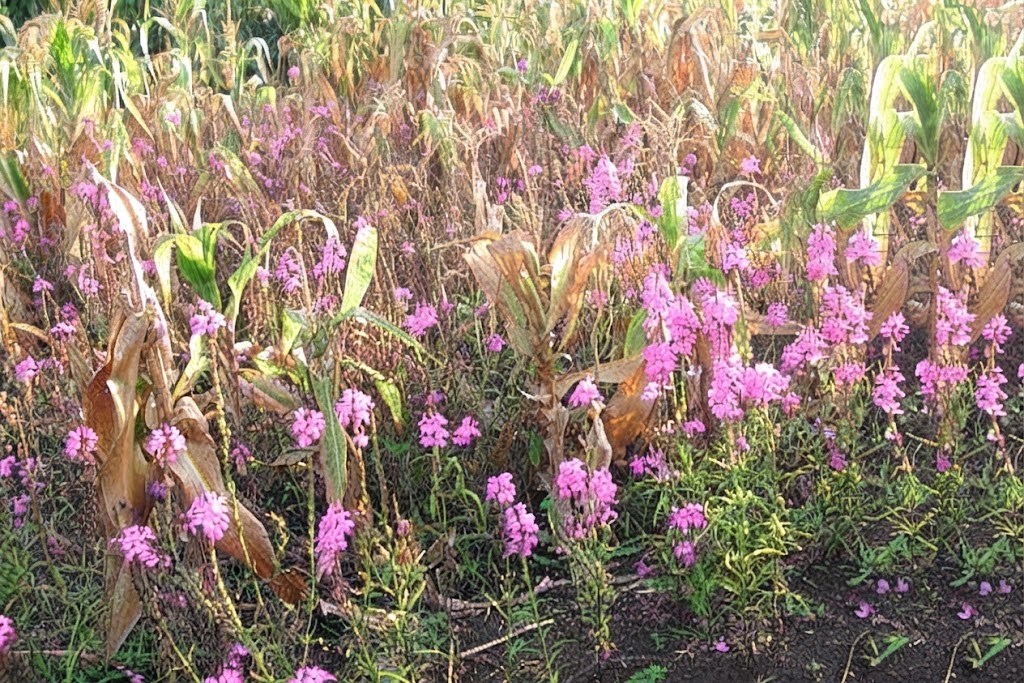
Farmers in northern Ghana are facing substantial crop losses from Striga, a parasitic plant commonly called witchweed, with some growers in the Upper East Region estimating that about 60 per cent of their expected harvests have been lost.
The weed attaches to cereal roots and draws away water and nutrients, weakening crops before its shoots become visible above ground. Maize, millet and sorghum are among the staples affected.
At Gambibgo in the Bolgatanga East District, farmer Bright Abentara told visiting journalists that parts of his farm were unlikely to produce any harvest. He estimated his losses at approximately 60 per cent.
Forum for Natural Regeneration (FONAR) Executive Director Sumaila Saaka warned that unchecked infestations could cause yield losses of up to 80 per cent across affected farmland, particularly in the Upper East and Upper West regions.
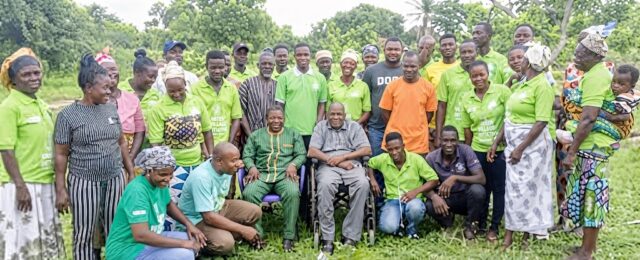
He linked the persistent problem to declining soil fertility, repeated cereal cultivation, loss of tree cover and climate variability, stressing that controlling the parasite also required restoring degraded farmland.
The Ministry of Food and Agriculture and FONAR have launched an awareness campaign in the Upper East Region to help farming communities identify the weed and adopt measures to limit its spread.
The campaign promotes legume rotation and intercropping, compost and manure application, tolerant crop varieties where available, and removal of Striga before it produces seeds. Farmer-Managed Natural Regeneration, which protects and manages regenerating trees on farmland, is another approach being encouraged.
Saaka said individual plants could produce tens of thousands of seeds that remain viable in the soil for years. Contaminated tools, animals, runoff and crop residues can spread them between fields, making coordinated community action important.
With support from Austria’s Awaken Trees, the campaign will use farmer education materials, radio messages and community outreach. Over three years, organisers aim to reduce Striga emergence by at least 40 per cent and associated cereal yield losses by 30 per cent on participating and demonstration farms.
Source: Omanghana