Omanghana
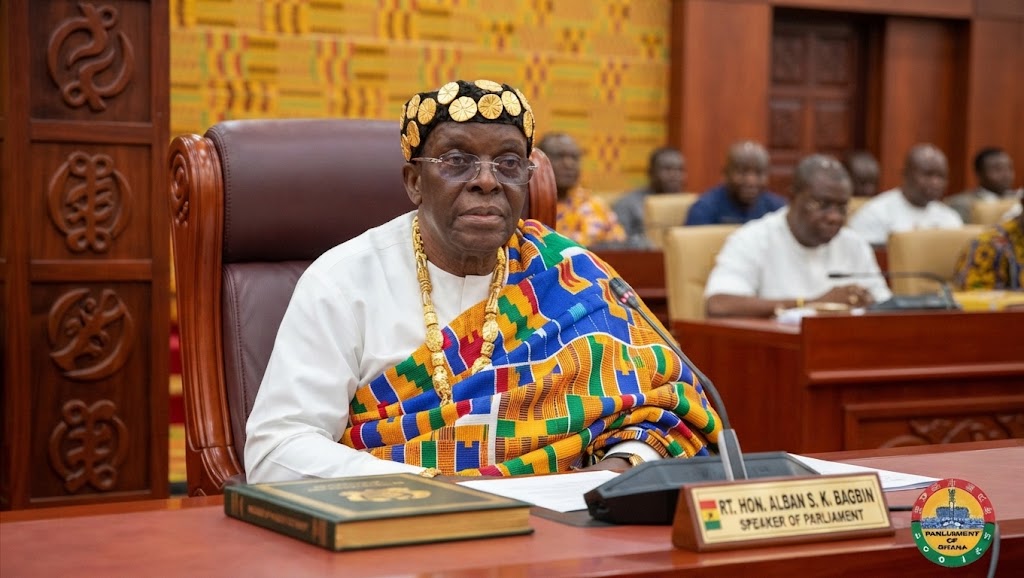
Speaker of Parliament Alban Bagbin has ruled inadmissible a motion by the Minority calling for an emergency bipartisan inquiry into recent major narcotics seizures, including a 3.9-tonne cocaine bust in France.
The proposed parliamentary investigation sought to bring members from both sides of the House together to examine the seizures. However, the Speaker dismissed the motion over concerns that its scope could overlap with criminal investigations already underway.
His ruling has drawn sharply different reactions, with the Minority criticizing the decision as a setback for parliamentary oversight, while the Majority and security analysts who supported it have emphasized the need to safeguard ongoing investigations.
For the Minority, the rejection raises concerns about Parliament’s ability to scrutinize matters of significant public interest. Its criticism centers on the argument that lawmakers have an important oversight role to play when major narcotics seizures generate questions about accountability.
The call for a bipartisan inquiry would have created a parliamentary forum involving both the Majority and Minority. The Speaker’s decision, however, prevents the motion from advancing in its current form.
The Majority has backed the ruling, supporting the position that a parliamentary inquiry could complicate work already being undertaken by criminal investigators. That position places priority on allowing the relevant investigative and legal processes to proceed without a potentially overlapping examination by the House.
Security analysts who endorsed the decision have similarly pointed to the importance of protecting ongoing investigations. Their support reflects concerns about the implications of conducting parallel proceedings into matters that remain under criminal scrutiny.
At the center of the disagreement is how Parliament should balance its oversight responsibilities with the work of institutions handling criminal investigations. While the Minority views parliamentary scrutiny as an avenue for accountability, supporters of the ruling consider the timing and potential overlap sufficient grounds to reject the motion.
The ruling concerns the admissibility of the proposed parliamentary inquiry and does not determine the outcome of the underlying narcotics investigations. Those processes remain separate from the political disagreement over whether Parliament should launch its own probe.
Source: Omanghana