Omanghana
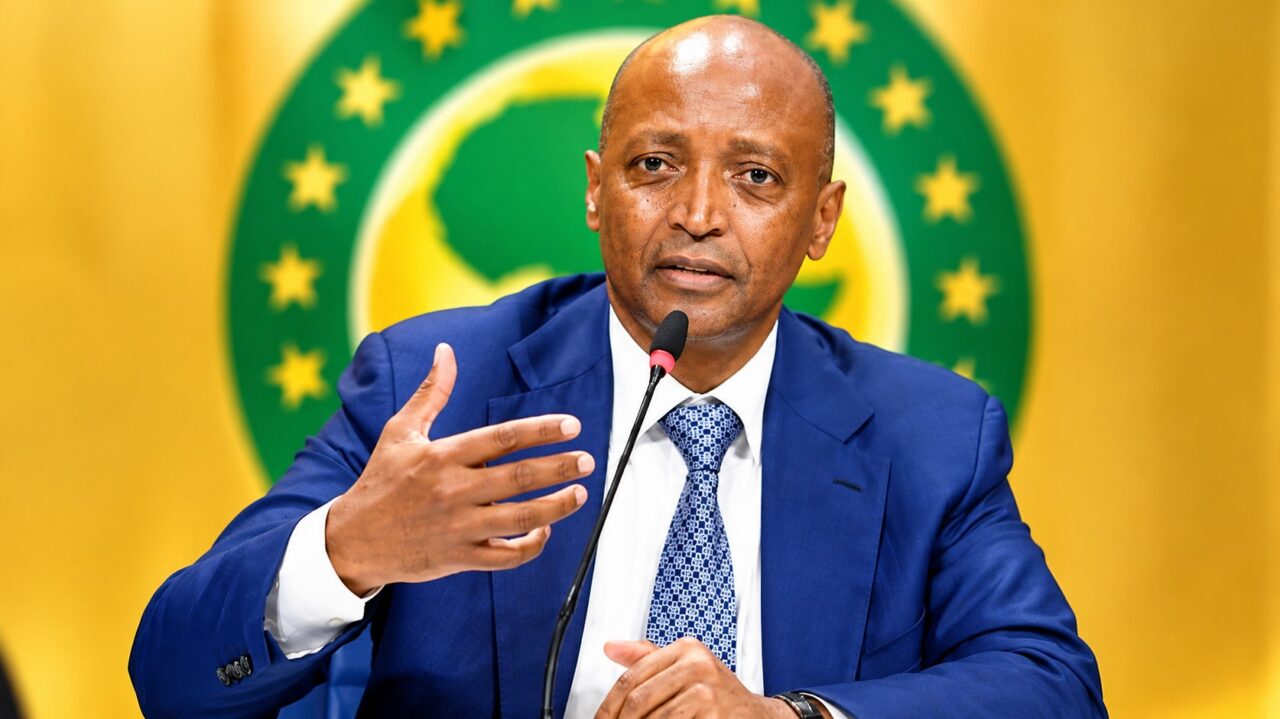
The Confederation of African Football (CAF) has asked its 54 member associations to indicate whether the Africa Cup of Nations should continue every two years or move to a four-year schedule.
Federations have been given until Wednesday, October 28, 2026, to submit their preferred option. A final decision is expected through a binding vote at the CAF Ordinary General Assembly on November 21, 2026.
The consultation, initiated under CAF president Patrice Motsepe, follows opposition to the proposed change and concerns about its financial implications for African football.
CAF announced in December 2025 that the tournament would move to a four-year cycle after the 2028 edition. The proposal was intended to reduce pressure on the international football calendar and ease recurring disputes between clubs and national teams over player availability.
However, the financial consequences have become a central issue in the debate. AFCON reportedly accounts for approximately 80 per cent of CAF’s revenue, making it a crucial source of funding for the continental body and its development activities.
An African Nations League had been proposed to help compensate for the longer interval between AFCON tournaments. However, correspondence to member associations reportedly acknowledges that the new competition could require several years to establish a strong commercial footing.
That prospect has raised concerns about a potential funding shortfall if AFCON becomes less frequent before an alternative competition can generate sufficient income. Member associations could also face reduced financial support.
The proposed switch has drawn criticism from coaches, players and football administrators, who argue that a four-year gap would limit competitive opportunities for national teams. Opponents have also highlighted the benefits host countries can gain through tourism, infrastructure investment and increased attention to the sport.
Early indications suggest that retaining the two-year cycle has substantial support among member associations, although the outcome remains subject to the formal decision-making process.
The proposed changes concern the tournament’s longer-term calendar. AFCON 2027, to be jointly hosted by Kenya, Uganda and Tanzania, and the planned 2028 edition are expected to proceed regardless of the cycle ultimately adopted.
Source: Omanghana