Omanghana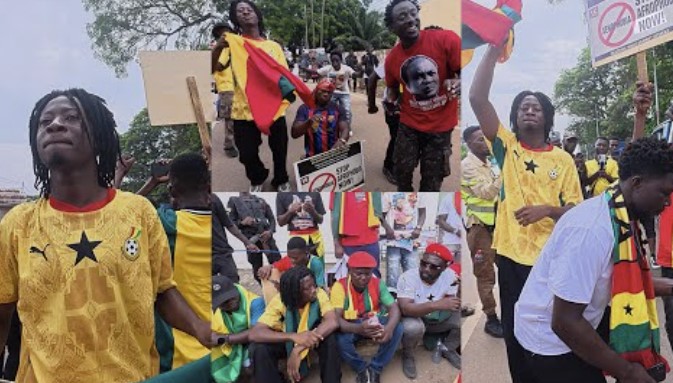
Public calls for Ghanaians to boycott South African-owned businesses operating in the country are gaining momentum following recent anti-immigration crackdowns and reported harassment of foreign nationals in South Africa. The growing campaign comes after the Ghanaian government evacuated hundreds of its citizens from South Africa in response to escalating tensions.
The boycott movement has sparked widespread debate across social, political, and business circles, with supporters arguing that economic action is an appropriate response to the treatment of Ghanaians abroad.
Major South African Companies in the Spotlight
Leading the list of businesses facing public scrutiny are telecommunications giant MTN Group and pay television provider MultiChoice, alongside several South African-owned banks, retail chains, and mining investments with operations in Ghana.
Campaigners contend that these companies benefit significantly from the Ghanaian market while many Ghanaians living in South Africa have reportedly faced intimidation and hostility during recent immigration enforcement actions.
Public Support and Political Pressure
The boycott campaign has received backing from a range of citizens, civil society activists, and some members of parliament, who argue that continuing to patronize South African businesses sends the wrong message at a time when fellow Ghanaians have experienced alleged mistreatment abroad.
Supporters of the initiative believe economic pressure could encourage stronger accountability and promote fair treatment of foreign nationals.
Activists Encourage Consumer Action
As part of the campaign, organizers are urging consumers to take practical steps aimed at reducing reliance on South African-owned enterprises. These recommendations include canceling satellite television subscriptions, switching mobile and internet services to alternative providers, and transferring corporate payroll accounts and deposits from South African-owned banks to locally owned financial institutions.
Advocates say such measures would demonstrate solidarity with affected Ghanaians while strengthening domestic businesses.
Economists Warn of Potential Domestic Consequences
Despite the growing momentum behind the boycott, several financial analysts and economic commentators have urged caution. They note that more than 100 South African-owned businesses operate in Ghana, contributing significantly to employment, investment, and tax revenues.
Analysts also point out that many of these companies are listed on the Ghana Stock Exchange or have investment vehicles linked to local institutional investors. As a result, Ghanaian pension funds, individual shareholders, and other domestic investors hold financial interests in these enterprises.
Critics of the boycott therefore warn that any large-scale withdrawal of consumer support could have unintended consequences for Ghana’s own economy and for citizens whose savings and retirement portfolios are tied to these investments.
Balancing National Sentiment and Economic Interests
The debate highlights the delicate balance between expressing solidarity with citizens affected by developments abroad and safeguarding domestic economic stability. While calls for a boycott continue to resonate with many Ghanaians, policymakers and market observers emphasize the need to carefully weigh both the symbolic and practical implications of any sustained economic action.
As discussions continue, the issue remains a focal point in the broader conversation about regional relations, investment, and the protection of citizens across borders.
Source: Omanghana