Omanghana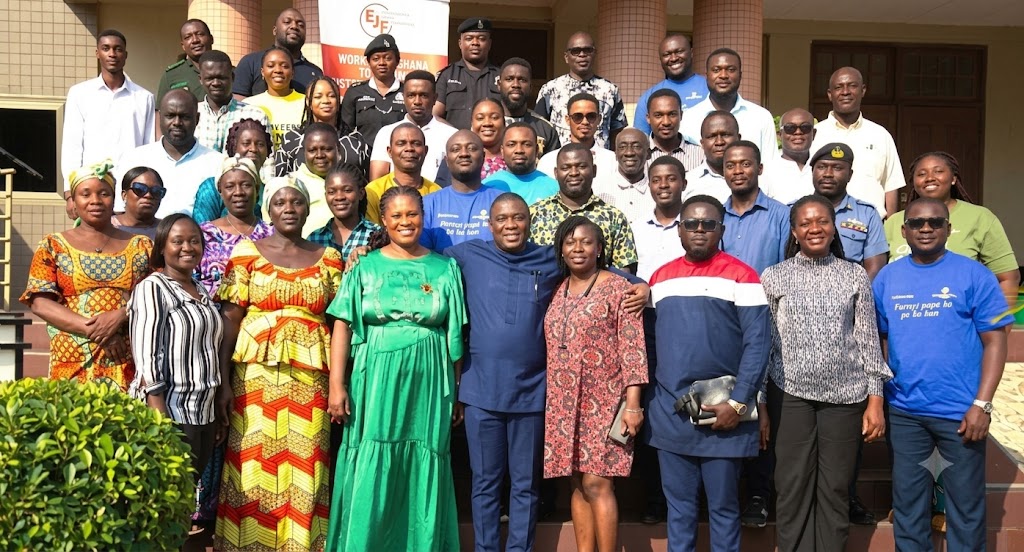
The Ministry of Fisheries and Aquaculture Development has taken another step toward strengthening Ghana’s fisheries governance by engaging key stakeholders to review the draft Fisheries and Aquaculture Regulations before their final adoption.
The stakeholder consultation brought together representatives from government agencies, fisheries associations, aquaculture operators, traditional fishing communities, industry experts, civil society organizations, and development partners to examine the proposed regulations and provide recommendations aimed at improving the country’s fisheries management framework.
Strengthening the Legal Framework
The draft regulations are intended to provide a comprehensive legal framework for the sustainable management, conservation, and development of Ghana’s fisheries and aquaculture sectors.
Officials explained that the new regulations seek to address emerging challenges within the industry while ensuring that fishing activities are carried out responsibly to protect marine and inland aquatic resources for future generations.
The review process also aims to align Ghana’s fisheries laws with international best practices and promote sustainable exploitation of the country’s fish stocks.
Stakeholders Provide Input
During the review sessions, participants examined key provisions of the draft regulations and shared views on how they could better support both artisanal and commercial fisheries as well as the rapidly growing aquaculture industry.
Discussions focused on balancing environmental sustainability with the economic needs of fishing communities, improving regulatory compliance, and creating a more predictable operating environment for investors and industry players.
Stakeholders also stressed the importance of ensuring that the final regulations are practical, inclusive, and responsive to the realities faced by fishers across the country.
Focus on Sustainability
The proposed regulations are expected to reinforce measures aimed at combating illegal, unreported, and unregulated (IUU) fishing, improving fisheries monitoring and enforcement, and promoting responsible aquaculture practices.
They also seek to encourage the sustainable use of fisheries resources while protecting aquatic ecosystems and enhancing food security.
Officials noted that stronger regulations will contribute to rebuilding depleted fish stocks, safeguarding livelihoods, and supporting the long-term growth of the fisheries sector.
Supporting Economic Growth
The fisheries and aquaculture sector remains an important contributor to Ghana’s economy, providing employment for thousands of people and serving as a major source of food and income for coastal and inland communities.
By modernizing the regulatory framework, the government hopes to improve productivity, attract investment, strengthen value chains, and enhance the competitiveness of Ghana’s fisheries industry.
Next Steps
Following the stakeholder review, the Ministry will consider the recommendations received and make the necessary revisions to the draft regulations before moving forward with the approval process.
Officials expressed confidence that continued collaboration with industry stakeholders will result in a robust regulatory framework that promotes sustainable fisheries management, supports aquaculture development, and ensures the long-term resilience of one of Ghana’s most important economic sectors.
Source: Omanghana