Omanghana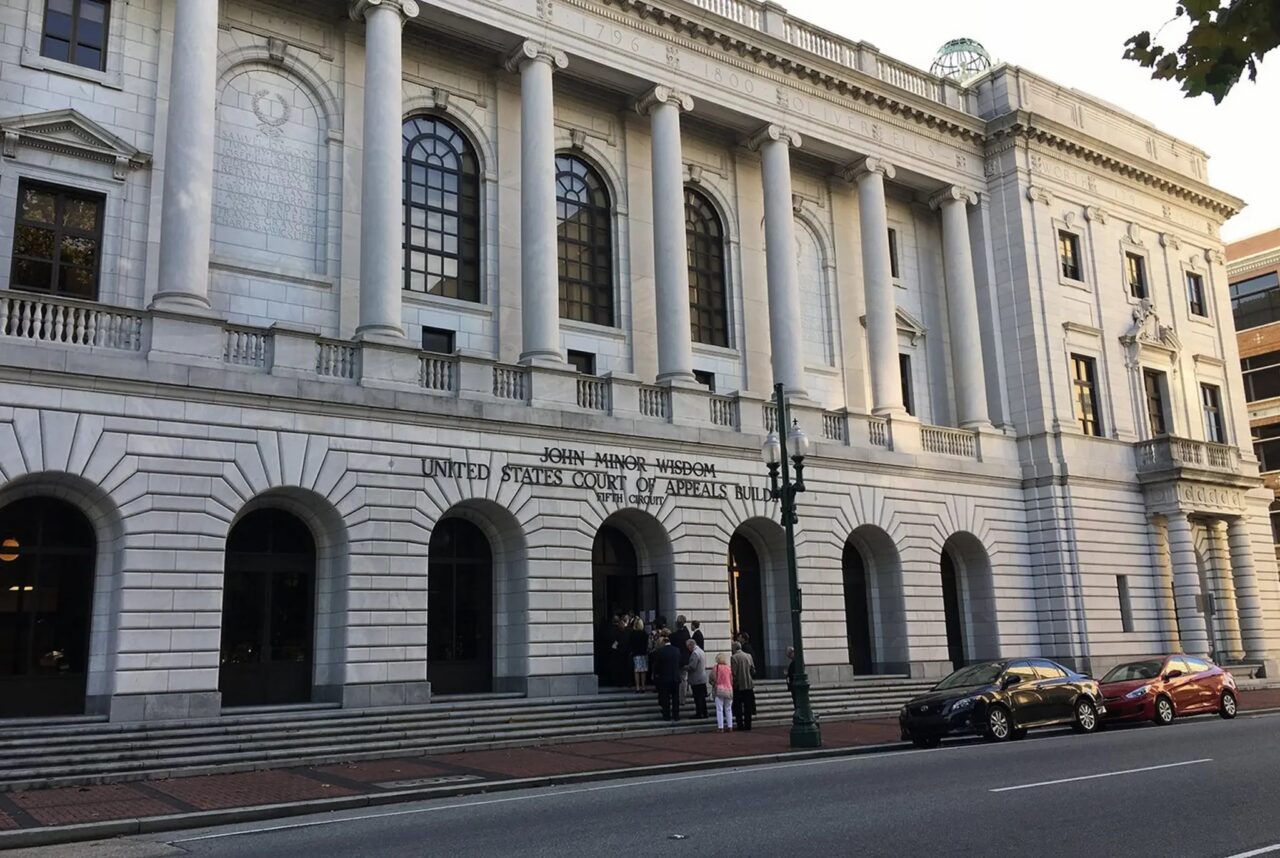
Federal district court judges across Texas and Louisiana are increasingly using constitutional arguments to counter the Trump administration’s expanded mandatory immigration detention policy, despite a recent appellate court ruling upholding the practice under federal law.
By focusing on due process protections guaranteed by the U.S. Constitution rather than the statutory questions addressed by higher courts, district judges have ordered bond hearings or the release of detained immigrants in more than 1,200 cases, creating a growing legal clash over the scope of immigration enforcement.
Appeals Court Upheld Policy Under Federal Statutes
On February 6, 2026, a three-judge panel of the U.S. Court of Appeals for the Fifth Circuit ruled in favor of the administration’s interpretation of mandatory detention laws, allowing Immigration and Customs Enforcement (ICE) to broadly detain certain non-criminal immigrants without individualized bond hearings.
The decision effectively endorsed the government’s authority to apply mandatory detention provisions to some long-term U.S. residents, including individuals who have lived in the country for decades and who are being treated under the policy as though they had recently entered the United States.
However, the appellate court’s ruling focused primarily on the interpretation of immigration statutes and stopped short of directly addressing broader constitutional questions concerning procedural due process.
District Courts Turn to Constitutional Protections
That distinction has become the basis for a growing number of lower court rulings challenging ICE detentions.
Federal district judges have argued that even if mandatory detention is authorized by statute, prolonged incarceration without an opportunity for a bond hearing may violate the constitutional guarantee of due process. As a result, many judges have ordered immigration authorities to provide detainees with hearings before an immigration judge or, in some instances, to release them from custody.
The rulings generally emphasize that immigrants with substantial ties to the United States should not be held indefinitely without an opportunity to contest their detention before a neutral decision-maker.
More Than 1,200 Due Process Orders Issued
According to analyses of court decisions, district judges within the Fifth Circuit have relied on constitutional due process reasoning more than 1,200 times since the February appellate ruling.
These decisions reportedly account for nearly 60 percent of immigration detention rulings issued within the circuit during that period, illustrating the extent to which lower courts are distinguishing constitutional claims from the statutory issues previously addressed by the appeals court.
The trend has also crossed political lines. Judges appointed by presidents from multiple administrations—including Republicans and Democrats, as well as several appointed during President Donald Trump’s first term—have issued orders granting detainees bond hearings or other forms of relief based on due process concerns.
National Legal Landscape Remains Divided
The broader legal battle over mandatory detention remains unsettled across the United States.
While the Fifth Circuit and the Eighth Circuit have both upheld the administration’s interpretation of the relevant immigration statutes, the Second Circuit has reached the opposite conclusion, finding the policy unlawful under its reading of federal law.
Meanwhile, thousands of detainees have filed emergency legal challenges contesting their confinement, reflecting the widespread impact of the policy and the uncertainty surrounding its implementation.
Constitutional Questions Headed for Further Review
The continued reliance on due process arguments by district courts has set the stage for additional appellate review.
Legal observers expect the Fifth Circuit to revisit the issue to determine whether individuals subject to mandatory immigration detention possess a constitutional right to a prompt bond hearing or other procedural safeguards, even where federal statutes authorize detention.
The outcome of that review could have significant implications for immigration enforcement nationwide, helping define the balance between congressional immigration powers and constitutional protections afforded to individuals held in government custody.
Source: Omanghana