Omanghana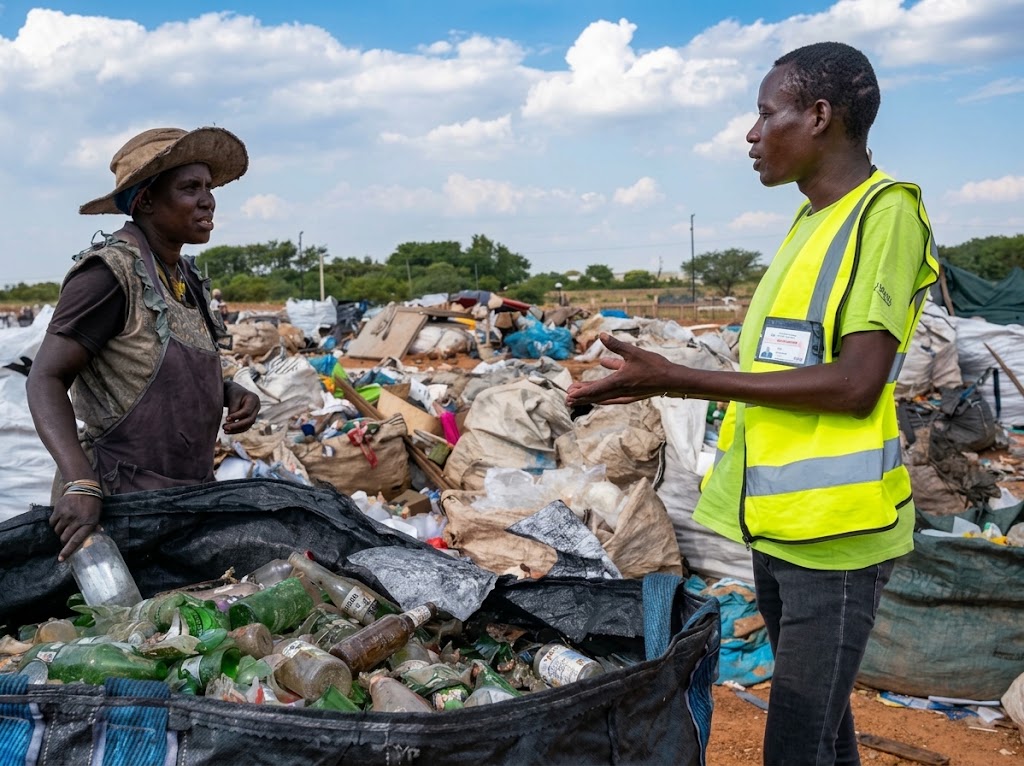
African governments risk committing billions of dollars to waste incineration projects that may deepen financial and environmental challenges rather than resolve them, the Global Alliance for Incinerator Alternatives (GAIA) has warned.
In a report released on October 15, 2026, titled “Africa’s Waste Crisis Is Attracting the Wrong Solution: Waste-To-Energy Incineration,” the organization questions the suitability of large-scale incinerators for the continent’s waste management needs.
The report identifies 15 waste-to-energy projects or active proposals across 10 African countries, representing more than US$4 billion in planned and existing investment. These include Ethiopia’s operational Reppie plant, alongside projects undergoing feasibility assessments or negotiations elsewhere.
GAIA argues that governments are increasingly promoting incineration as a comprehensive answer to growing urban waste volumes without adequately addressing its operating costs, technical requirements and potential effects on surrounding communities.
The report points to Ethiopia’s Reppie facility as an example of the gap between projected and actual performance. According to its findings, the plant was designed to process 1,400 metric tones of waste daily but handles between 396 and 650 tones. It also cites complaints about smoke, odors and health concerns in nearby communities.
A central concern is the composition of municipal waste in many African cities. GAIA says the high proportion of organic material, particularly wet food waste, makes it less suitable for burning because its moisture content reduces the energy that can be recovered.
The organization argues that processing such waste through incineration can require additional fuel or energy, increasing operational costs and weakening the financial case for the facilities.
The report also raises concerns about long-term contractual obligations. It warns that “put-or-pay” arrangements, under which authorities must supply agreed quantities of waste or face payments, can place pressure on municipal budgets and conflict with efforts to reduce waste and expand recycling.
Citing United Nations Environment Program data, GAIA describes incineration as a particularly expensive option for waste management and electricity generation in low- and middle-income settings.
The organization further argues that large investments in incinerators could divert funding from waste collection, recycling infrastructure and support for waste pickers.
GAIA’s Africa Clean Air Manager, Weyinmi Okotie, called on governments to priorities community-centered approaches that reflect local waste conditions.
The report recommends separating waste at homes and businesses, expanding composting programs and investing in material recovery facilities to sort and process reusable resources.
It also advocates stronger extended producer responsibility frameworks to ensure manufacturers contribute to the cost of managing packaging and other waste generated by their products.
GAIA maintains that these measures would offer African countries a more appropriate route towards reducing disposal pressures while supporting local livelihoods and recovering valuable materials.
Source: Omanghana