Omanghana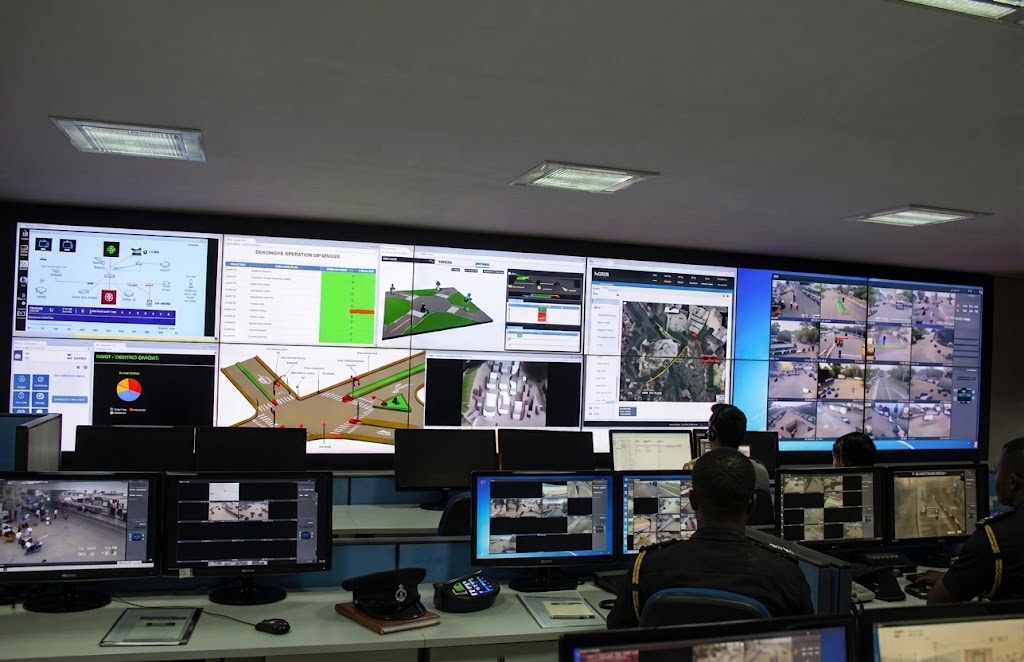
Ghana will begin replacing routine roadside traffic checks with automated enforcement from September 2026 under the expanded TraffiTech-GH system.
The platform will use cameras, radar equipment and other digital devices to detect more than 47 road traffic offences, reducing the need for Motor Traffic and Transport Department officers to stop drivers for manual document inspections.
Minister for the Interior Muntaka Mohammed-Mubarak announced the change at the Government Accountability Series in Accra on Monday, August 24, 2026.
He said the system would become fully operational in September, after which MTTD personnel would stop conducting manual roadside checks for offences that can be detected electronically.
How TraffiTech-GH Will Operate
TraffiTech-GH is an automated traffic enforcement system developed by the Ghana Police Service to support the enforcement of road traffic laws and improve safety.
It uses cameras and sensors to capture photographs or videos of vehicles suspected of committing offences such as speeding or running red lights. Ghana Police Service
Under the expanded program, the MTTD will deploy fixed and mobile cameras, in-vehicle equipment, handheld devices and radar systems across selected roads.
When the technology detects a suspected violation, the recorded material will be transmitted for assessment at a police back-office control room.
Police personnel will review the evidence before confirming that an offence occurred. This verification stage is intended to prevent penalties from being issued solely on the basis of an unreviewed automated alert.
Once the offence has been validated, the registered vehicle owner or affected motorist will receive an electronic notice containing information about the violation, the applicable penalty and instructions for payment.
More Than 47 Offences Covered
The expanded system is expected to detect and enforce more than 47 road traffic violations.
These include speeding, running red lights, failing to wear a seatbelt, driving without valid insurance and operating a vehicle without the required roadworthiness certification.
It may also identify illegal overtaking, unauthorised lane use and other conduct detectable through cameras, registration records or radar equipment.
The exact enforcement method will depend on the nature of the offence. Speeding, for example, can be detected using calibrated radar equipment, while red-light violations may be established through time-stamped camera footage.
Insurance, licensing and roadworthiness information can be checked electronically by matching a vehicle’s registration details against official databases.
Routine Driving License Checks to End
The Interior Minister said police officers would no longer routinely stop motorists simply to demand the physical inspection of a driving license.
“They won’t come and ask you to bring your driving license,” Mohammed-Mubarak stated.
He added that motorists would no longer be routinely pulled over for manual insurance or seatbelt checks when those matters could be verified electronically.
The change applies to routine enforcement of offences covered by the platform. It does not prevent the police from stopping vehicles during targeted security operations, criminal investigations, emergencies or intelligence-led exercises.
Officers may also intervene directly where a motorist’s conduct presents an immediate danger to other road users.
Reducing Roadside Contact and Alleged Extortion
One of the government’s stated objectives is to reduce unnecessary face-to-face contact between motorists and police officers.
Mohammed-Mubarak said manual enforcement had sometimes created opportunities for drivers and officers to negotiate informal payments instead of allowing alleged offences to proceed through the proper legal process.
He referred to instances in which small payments were allegedly made to avoid prosecution.
By recording offences electronically and processing penalties through a central system, the government expects to create a more traceable enforcement process.
The system should provide a digital record of the alleged offence, its validation and the resulting penalty, reducing the discretion exercised during roadside encounters.
The minister made the comments while responding to questions about Ghana Statistical Service findings identifying the MTTD and other police units among institutions perceived by some members of the public as vulnerable to corruption.
Improving Traffic Flow
The removal of routine document checkpoints could also improve traffic flow, particularly on busy urban roads.
Manual inspections sometimes require several vehicles to slow down or stop, creating artificial bottlenecks even when only a small number of motorists are being questioned.
Electronic enforcement allows suspected violations to be recorded without immediately interrupting traffic.
Motorists can then receive notices after the evidence has been reviewed, avoiding the congestion associated with roadside inspections.
The system could also allow police officers to focus more attention on accident response, dangerous driving, traffic management and serious security threats.
Motorists Still Responsible for Compliance
The end of routine manual inspections does not remove a motorist’s obligation to possess a valid driving license, insurance policy and roadworthiness certificate.
Drivers must continue to comply with all road traffic laws, even when no police officer is physically present.
The use of automated cameras means violations may be captured without the driver immediately realizing that an offence has been recorded.
Vehicle owners should also ensure that their registration and contact details are accurate so that official notices reach the appropriate person.
Anyone who sells or transfers ownership of a vehicle should complete the required change-of-ownership process to reduce the risk of receiving notices for violations committed by another driver.
Implementation and Public Education
The government will need to provide clear information on where motorists can verify notices, how fines should be paid and how a person can challenge an incorrect citation.
Public education will also be necessary to help drivers distinguish genuine TraffiTech-GH messages from fraudulent texts or payment requests.
Motorists should use only payment methods and verification channels officially announced by the Ghana Police Service or other authorized state institutions.
The transition represents a significant change in Ghana’s approach to traffic enforcement. If implemented effectively, it could improve road-law compliance, ease congestion and reduce opportunities for informal roadside payments.
The government’s announcement confirms that the September change concerns routine MTTD checks for digitally detectable offences not a complete end to all police checkpoints or lawful vehicle stops.
Source: Omanghana