Omanghana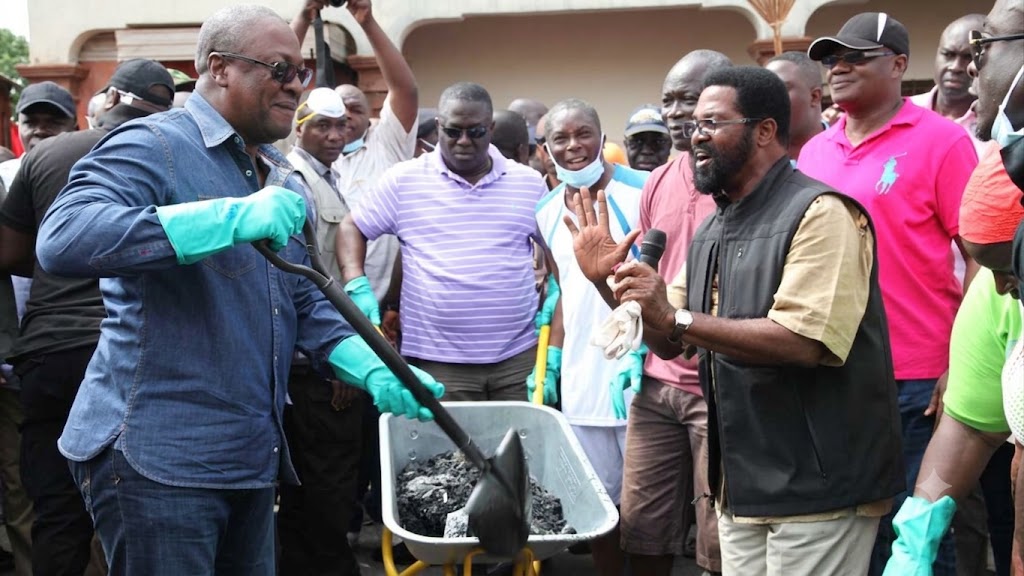
The Government of Ghana has outlined the responsibilities expected of citizens, public officials, businesses, and institutions following President John Dramani Mahama’s declaration of Friday, July 10, and Saturday, July 11, 2026, as National General Cleaning Days.
The nationwide exercise, which will be carried out in seven regions affected by recent flooding, forms part of the government’s post-flood recovery strategy aimed at restoring environmental sanitation, improving public health, and reducing the risk of further flooding ahead of the peak rainy season.
The campaign is being coordinated by the Post-Flood Mitigation Committee under the theme: “Our Actions, Our Future: Cleaning Ghana after the floods.”
Two-Day Exercise to Follow Structured Implementation
The National Cleaning Days will be implemented in two phases, with different groups assigned specific responsibilities to ensure broad participation and effective cleanup efforts.
Phase One: Government-Led Operations on Friday, July 10
The first day of the exercise will focus on large-scale sanitation and infrastructure clearance activities led by government institutions.
Public Officials to Lead by Example
President Mahama has directed Ministers of State, Members of Parliament (MPs), Chief Executive Officers of public institutions, and Metropolitan, Municipal and District Chief Executives (MMDCEs) to actively participate in the cleanup exercise.
Rather than remaining in their offices, the officials are expected to join residents on the ground and support cleanup activities within their respective communities.
Security Agencies to Support Major Operations
Security agencies, working alongside waste management organizations and Metropolitan, Municipal and District Assemblies (MMDAs), will undertake large-scale clearing operations in affected areas.
Their work will include removing accumulated waste, clearing blocked public spaces, and supporting sanitation activities requiring specialized equipment.
Focus on Clearing Drains
A key priority during the first phase will be the de-silting of major drains and waterways.
Authorities aim to remove silt, refuse, and other obstructions from drainage systems to improve water flow and help reduce the risk of additional flooding during future rains.
Phase Two: Public Participation on Saturday, July 11
The second day of the campaign will focus on community involvement, with residents and business owners encouraged to take part in cleaning activities within their local areas.
Residents Encouraged to Clean Their Communities
Citizens in the affected regions are expected to participate by sweeping streets, clearing public spaces, and improving sanitation in their neighborhoods.
The government has called on communities to work together to create cleaner and safer environments following the recent floods.
Businesses to Clean Commercial Premises
Shop owners, traders, market operators, and other business owners have been encouraged to clean their premises and surrounding areas.
Maintaining clean commercial spaces is expected to contribute to improved sanitation and reduce the accumulation of waste that can obstruct drainage systems.
Neighborhood Gutters to Be Cleared
Residents are also encouraged to remove silt and debris from local gutters and drainage channels where it is safe to do so.
Authorities have stressed the importance of preventing waste from being washed back into drains during subsequent rainfall.
Proper Waste Disposal
Communities are advised to gather flood-related debris and dispose of it at designated collection points established by local authorities.
Waste management teams will then transport the collected refuse for proper disposal as part of the coordinated cleanup effort.
Supporting Flood Recovery
The National General Cleaning Days form part of broader government efforts to help communities recover from the recent floods while strengthening flood prevention measures.
Officials have urged all residents, institutions, and businesses in the affected regions to participate actively in the exercise, emphasizing that collective action will play a key role in restoring sanitation, protecting public health, and improving resilience against future flooding.
Source: Omanghana