Omanghana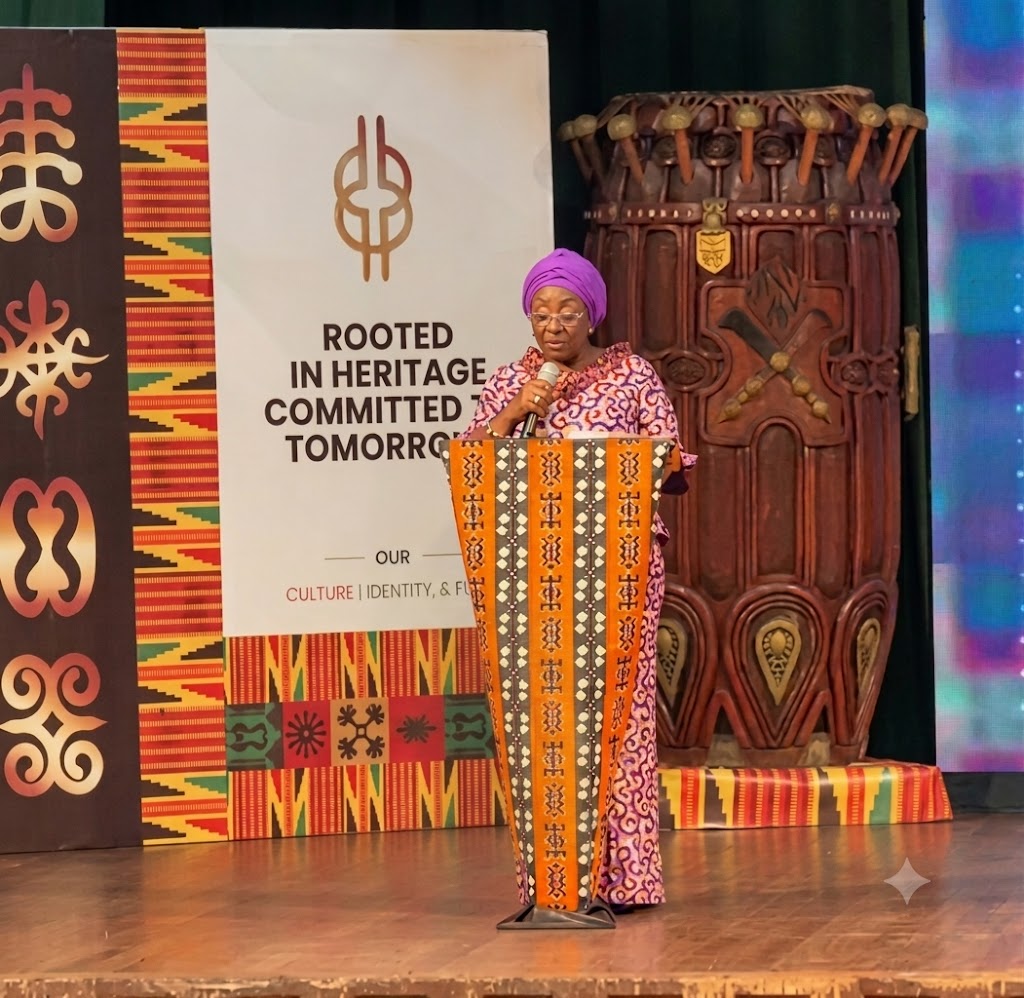
The Government of Ghana has renewed its commitment to positioning the Volta Region as one of the country’s most attractive tourism destinations through expanded cultural promotion, eco-tourism development, and increased private-sector investment.
The Minister for Tourism, Culture and Creative Arts, Hon. Abla Dzifa Gomashie, announced the strategy during a Citizens’ Engagement in Ho on Friday, July 17, 2026, where she outlined plans to promote the region’s rich natural resources, historical sites, and cultural heritage to both domestic and international visitors.
According to the Minister, the government’s approach will focus on empowering local authorities to identify tourism opportunities while providing the necessary technical support to package and market them effectively.
Local Assemblies to Drive Tourism Identification
As part of the new strategy, Municipal and District Chief Executives (MDCEs) have been tasked with identifying unique tourism assets within their respective areas.
The initiative is designed to ensure that communities take ownership of tourism development by highlighting attractions that reflect their history, culture, environment, and economic potential.
After identifying these sites, the Ministry of Tourism, Culture and Creative Arts will provide expertise in branding, promotion, and international marketing to ensure the attractions receive wider visibility.
The Minister explained that many communities across the Volta Region possess untapped tourism resources that could create jobs, increase local revenue, and support economic development if properly developed.
Focus on Heritage and Eco-Tourism Sites
The government is also prioritizing the rehabilitation and promotion of key tourism locations across the region.
Among the sites receiving attention are:
- Fort Prinzenstein – a historic coastal landmark linked to Ghana’s colonial and slave trade history.
- Avu Lagoon – a major ecological attraction known for its biodiversity and wetland ecosystem.
- Hedranawo Slavery Museum – a heritage site preserving important aspects of Ghana’s history and cultural identity.
Minister Gomashie said preserving such locations is critical not only for attracting visitors but also for educating future generations about Ghana’s historical journey.
The government’s coastal development agenda is expected to combine heritage conservation with sustainable tourism activities that benefit surrounding communities.
Private Sector Investment in Hospitality Sector
The Minister highlighted the importance of private-sector participation in transforming the region’s tourism industry.
Traditional leaders and community authorities are already working to make land available for tourism-related investments, including hotels, resorts, and other hospitality facilities.
Among those supporting the initiative is Torgbui Sape Agbo V, who has begun efforts to facilitate land arrangements aimed at attracting private developers to establish hospitality projects in the region.
The government believes increased investment in accommodation facilities will improve visitor experiences and strengthen the region’s capacity to host local and international tourists.
Addressing Road Infrastructure Challenges
Despite the region’s tourism potential, Minister Gomashie acknowledged that poor road networks remain a major challenge limiting access to several attractions.
She disclosed that she has held discussions with the Minister for Roads and Highways, Kwame Governs Agbodza, following a directive from President John Dramani Mahama, to develop strategies for improving road access to tourism sites.
The collaboration between the two ministries is expected to focus on rehabilitating critical routes leading to major attractions, making previously difficult-to-access locations more attractive to visitors and investors.
Tourism as a Driver of Economic Growth
The government believes that developing tourism in the Volta Region will create employment opportunities, support local businesses, and increase economic activity across communities.
Minister Gomashie emphasized that tourism development must go beyond promoting attractions by ensuring that local residents benefit directly through jobs, entrepreneurship opportunities, and improved infrastructure.
With its mountains, waterfalls, lagoons, coastline, cultural festivals, and historical landmarks, the Volta Region remains one of Ghana’s most promising tourism areas.
The government says the renewed investment push will help unlock the region’s full tourism potential and establish it as a globally recognized destination.
Source: Omanghana