Omanghana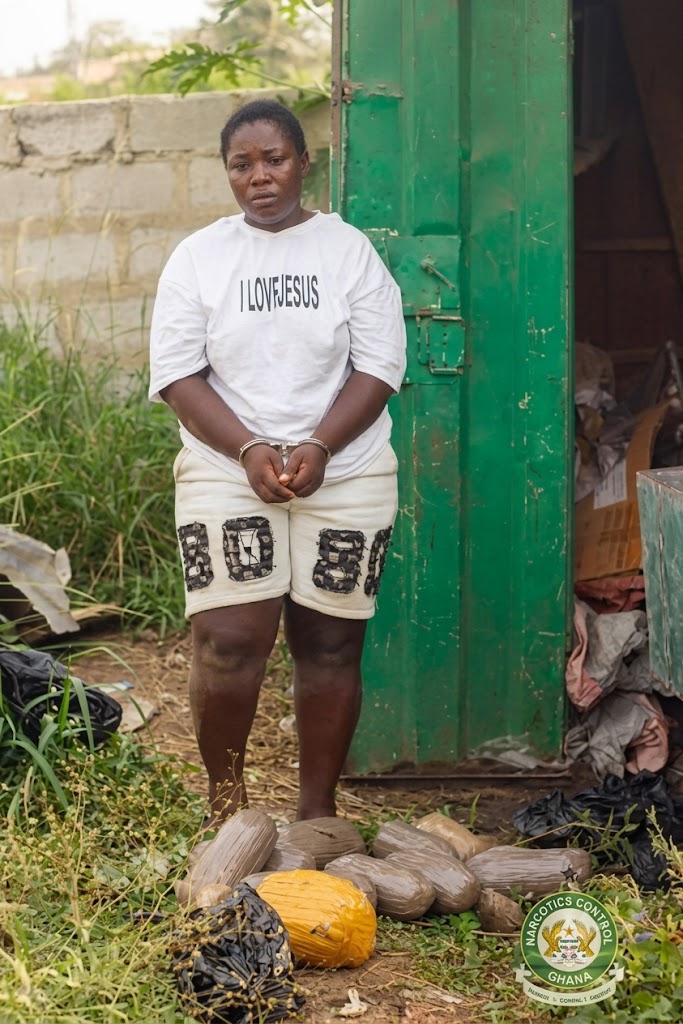
The Director-General of Ghana’s Narcotics Control Commission (NACOC), Major General Maxwell Obuba Mantey, has revealed that a confidential informant once demanded a newly built house as a reward for providing information that could help authorities arrest major drug traffickers.
Speaking before Parliament’s Government Assurances Committee on July 7, 2026, Major General Mantey shared the incident to highlight what he described as a growing challenge facing law enforcement agencies — the increasing expectation among some citizens for large financial rewards and luxury benefits before sharing critical intelligence.
Informant Requested Property as Payment
According to Major General Mantey, the individual approached him with a proposal to provide valuable information on drug networks but attached a significant condition.
The informant reportedly told him: “If you could build me a house, I would help you do a lot.”
However, the NACOC Director-General explained that the agency does not have the financial capacity or legal mandate to purchase houses or provide expensive personal assets to informants.
“Unfortunately, we couldn’t do that,” he told lawmakers, explaining that such demands fall outside the operational structure and resources available to the commission.
Concerns Over Changing Public Attitudes
Major General Mantey expressed concern that public cooperation with law enforcement is increasingly becoming financially driven rather than motivated by civic responsibility.
He explained that intelligence from communities remains a critical tool in identifying and dismantling drug trafficking networks, but some citizens now expect substantial compensation before assisting authorities.
According to him, “Ghanaians now have become a bit demanding, so when they send you intelligence, they demand money.”
He noted that this trend creates additional challenges for agencies that depend on public support to fight organized crime.
NACOC Faces Evolving Drug Threat
The parliamentary briefing comes as NACOC continues to respond to changing patterns in Ghana’s drug landscape.
Major General Mantey warned that Ghana is no longer only being used as a transit route by international drug networks but is increasingly becoming a destination and consumption market.
He raised concerns that foreign narcotics are finding their way into local communities, including schools, as traffickers adapt their methods and expand distribution channels.
The shift has increased pressure on authorities to strengthen intelligence gathering, enforcement operations, and public awareness campaigns.
Nationwide Pharmacy Enforcement Campaign
As part of efforts to address the growing availability of controlled substances, NACOC and the Pharmacy Council are preparing a joint nationwide enforcement exercise.
The operation, scheduled to begin in July 2026, will focus on pharmacies and other outlets suspected of selling unauthorized psychotropic drugs and precursor chemicals.
The Pharmacy Council has warned that facilities found violating regulations could face severe sanctions, including the permanent revocation of operating licenses.
Intelligence-Led Approach Remains Key
Despite the challenges surrounding informant cooperation, Major General Mantey assured lawmakers that NACOC will continue relying on intelligence-driven policing.
He said the commission remains committed to strengthening partnerships with communities, security agencies, and other stakeholders to stay ahead of increasingly sophisticated drug trafficking networks.
The NACOC boss emphasized that cooperation between citizens and law enforcement remains essential in protecting communities and preventing Ghana from becoming more deeply affected by international narcotics operations.
Source: Omanghana