Omanghana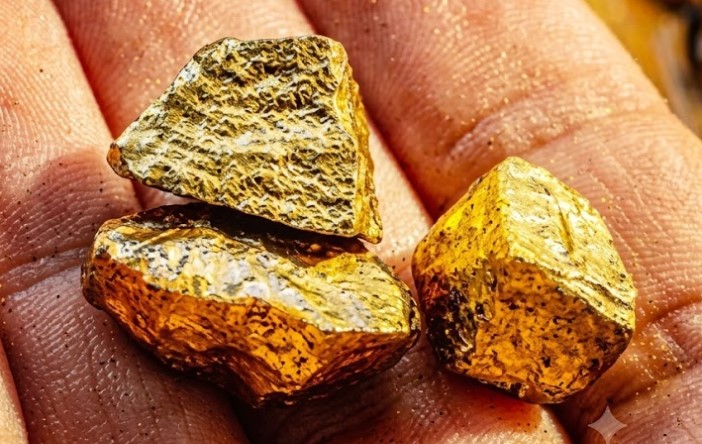
Despite possessing vast gold reserves and receiving more than $9.5 billion in financial pledges, aid, and trade commitments from Gulf nations including Saudi Arabia, Qatar, and the United Arab Emirates (UAE), Sudan continues to face economic collapse as a prolonged civil war, political instability, and an illicit resource economy undermine recovery efforts.
A report by Business Insider Africa argues that instead of driving economic growth, much of the Gulf investment has become entangled in regional geopolitical competition, while Sudan’s gold industry has increasingly financed conflict rather than national development.
Gold Remains Sudan’s Economic Lifeline
Gold is Sudan’s most valuable export, accounting for more than 58% of the country’s total export earnings. The precious metal has the potential to generate significant government revenue and support infrastructure, healthcare, education, and other public services.
However, the country’s ongoing conflict has transformed gold into a strategic asset for competing armed groups.
Control over many of Sudan’s gold mines, processing facilities, and transportation routes is divided between the Sudanese Armed Forces (SAF) and the Rapid Support Forces (RSF). Rather than contributing to state finances, revenues from gold production are widely viewed as a major source of funding for the warring factions, helping to sustain the conflict.
Illegal Gold Trade Drains State Revenue
Sudan also faces a significant challenge from illegal gold exports.
An estimated 80% of the country’s gold production comes from artisanal miners operating outside formal government oversight. Much of this gold is reportedly smuggled through neighboring countries before reaching international markets.
The widespread illicit trade deprives the Sudanese government of taxes, royalties, and foreign exchange earnings that could otherwise help stabilize the economy.
Diplomatic Rift Disrupts Gold Exports
The United Arab Emirates has historically been Sudan’s largest gold trading partner, importing nearly 90% of the country’s officially recorded gold exports during the early months of 2025.
That relationship deteriorated after Sudan’s military-backed government accused the UAE of providing military support to the RSF during the ongoing conflict. Abu Dhabi has consistently denied those allegations.
The diplomatic dispute led to restrictions affecting flights and trade, disrupting commercial activity and placing additional pressure on Sudan’s already fragile economy. The tensions also contributed to further depreciation of the Sudanese pound.
Sudan Turns to Saudi Arabia
As relations with the UAE worsened, Sudan sought to diversify its gold export markets.
In early 2026, the military-led government strengthened ties with Saudi Arabia by signing a gold exploration agreement with the state-owned Saudi Gold Refinery. The move signaled an effort to reduce dependence on Dubai’s dominant role in Sudan’s gold trade while expanding economic cooperation with Riyadh.
Analysts suggest Sudan has increasingly become a strategic arena where Gulf powers compete for influence over valuable mineral resources and regional economic interests.
Financial Support Hampered by Regional Politics
Large financial commitments made to Sudan have often been affected by broader geopolitical developments.
According to reports, external funding and investment pledges have frequently been delayed, frozen, or reshaped as regional alliances shifted. One example involved a proposed $1.5 billion weapons and military aircraft agreement with Pakistan that reportedly collapsed after Saudi Arabia withdrew financial support amid wider tensions in the Middle East.
Such developments have highlighted how external assistance can be influenced by changing political priorities rather than long-term economic planning.
Civil War Continues to Block Recovery
Economists note that Sudan’s greatest obstacle to economic recovery is not a lack of natural resources or international financial support, but the ongoing conflict and political fragmentation.
As long as fighting continues, critical industries remain disrupted, investors remain cautious, infrastructure suffers further damage, and government institutions struggle to manage national resources effectively.
While Sudan possesses abundant mineral wealth and has attracted billions of dollars in regional commitments, lasting economic recovery is likely to depend on achieving political stability, restoring effective governance, curbing illicit gold smuggling, and ensuring that resource revenues are directed toward national development rather than financing conflict.
Source: Omanghana