Omanghana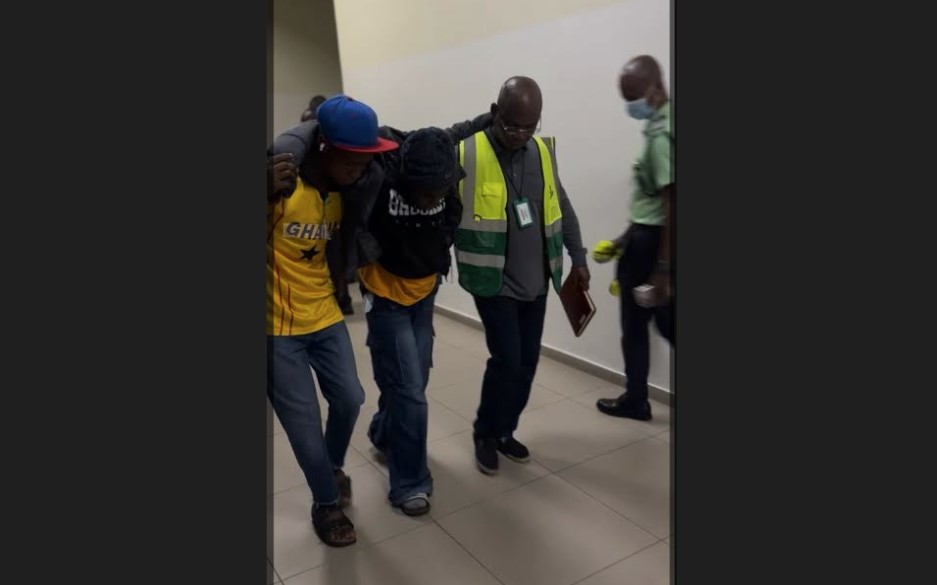
A Ghanaian woman evacuated from South Africa as part of the government’s emergency repatriation program arrived in Accra in a visibly distressed condition, reportedly struggling to walk after enduring weeks of fear, uncertainty, and alleged harassment linked to rising anti-immigrant tensions.
The woman was among hundreds of Ghanaian nationals brought home during the second phase of Ghana’s state-backed evacuation operation. Witnesses at Kotoka International Airport described an emotional scene as she was assisted through the arrival terminal by fellow returnees after appearing unable to walk independently.
Her condition has drawn attention to the often-overlooked psychological and emotional toll experienced by migrants caught in periods of civil unrest and xenophobic violence.
Distressing Scenes at Kotoka International Airport
Passengers arriving on the evacuation flight reported seeing the woman being supported by two men as she made her way through the airport.
According to eyewitness accounts, she appeared physically exhausted, emotionally overwhelmed, and unable to move without assistance. Several returnees suggested that the stress of the situation in South Africa may have significantly affected her health.
While no official medical diagnosis has been released, individuals familiar with her circumstances claim she had endured prolonged anxiety and emotional distress during the recent surge of anti-immigrant tensions.
The incident served as a stark reminder that the effects of crisis situations often extend beyond physical injuries, leaving lasting psychological scars on those affected.
Human Cost of the Xenophobic Crisis
The woman is one of hundreds of Ghanaians who chose to leave South Africa amid growing concerns over safety following reports of anti-immigrant protests, intimidation campaigns, and threats directed at foreign nationals.
Many returnees have described living under constant fear as tensions escalated in communities where migrants operated businesses, worked in informal sectors, or rented accommodation.
For some, the decision to leave came after witnessing attacks on foreign-owned businesses. Others reported abandoning homes, jobs, and years of investment in order to return to Ghana safely.
Humanitarian experts note that exposure to prolonged stress, fear, displacement, and uncertainty can trigger serious emotional and physical reactions, including anxiety disorders, trauma-related symptoms, panic attacks, and mobility difficulties linked to extreme psychological distress.
Government Monitoring Returnees’ Welfare
Ghanaian authorities have indicated that returnees arriving through the evacuation program will undergo health assessments and receive support where necessary.
Officials from the National Disaster Management Organization (NADMO), health agencies, and social welfare institutions have been deployed to assist citizens returning from South Africa.
The support framework includes:
- Medical screenings upon arrival.
- Mental health and trauma counseling services.
- Emergency welfare assistance.
- Transportation support to help evacuees reach their home regions.
- Referral services for individuals requiring specialized healthcare.
Authorities say special attention is being given to vulnerable returnees, including women, children, elderly citizens, and individuals showing signs of trauma or emotional distress.
Hundreds Return Home After Leaving Lives Behind
The latest arrivals are part of a broader government-led evacuation effort that has already brought hundreds of Ghanaians back from South Africa.
Many of the evacuees spent years building businesses and livelihoods abroad before the unrest forced them to make difficult decisions about their future.
Some returned after closing shops and abandoning investments, while others left behind employment opportunities and personal belongings in pursuit of safety.
For many families, the repatriation flights represented both a rescue mission and a painful end to years of work and sacrifice.
Beyond Physical Safety
The condition of the woman who struggled to walk upon arrival highlights a broader challenge facing governments and humanitarian agencies responding to migration-related crises.
While emergency evacuations can remove individuals from immediate danger, the emotional and psychological consequences often persist long after they reach safety.
As Ghana continues receiving citizens returning from South Africa, officials are expected to place increased emphasis on mental health support and long-term reintegration programs to help affected individuals rebuild their lives.
For many of the returnees, the journey home marks the end of a frightening chapter. However, for those carrying the invisible wounds of trauma and displacement, recovery may take far longer than the flight back to Ghana.
Source: Omanghana