Omanghana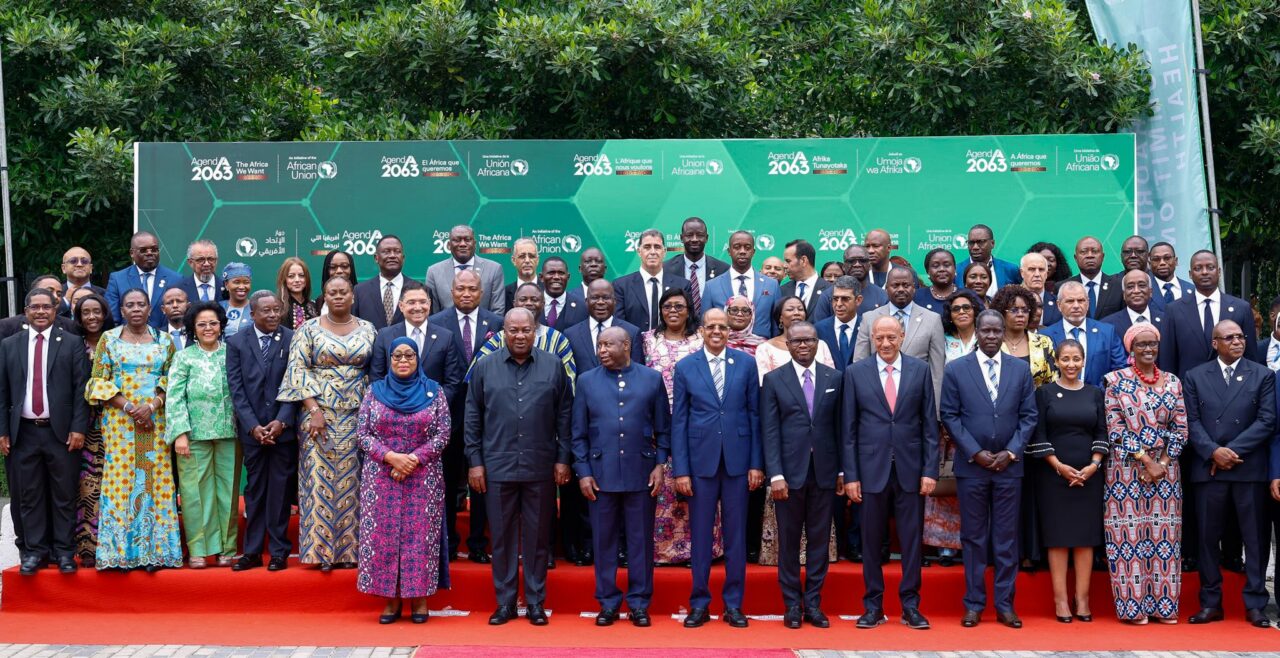
The African Union has adopted the Accra Declaration, committing member states to accelerate universal health coverage and end AIDS as a public health threat by 2030.
The agreement was finalized at the conclusion of the 20th Extraordinary Session of the AU Assembly on Health held in Accra, Ghana.
The high-level summit brought together African heads of state, health ministers, policymakers and international partners to develop a coordinated response to the continent’s evolving health challenges.
Discussions focused on declining and increasingly unpredictable external funding, persistent communicable diseases and the growing burden of non-communicable conditions such as cancer, diabetes and cardiovascular disease.
The Accra Declaration calls on member states to translate previous continental commitments into measurable national policies supported by clear timelines, adequate financing and accountability systems.
Under the agreement, African governments will strengthen interventions aimed at eliminating HIV/AIDS, tuberculosis and malaria as public health threats by 2030.
The declaration also places renewed emphasis on preventing maternal, newborn and infant deaths. Member states are expected to improve access to antenatal care, skilled delivery services, emergency treatment and postnatal support, particularly in underserved communities.
Primary healthcare has been identified as the foundation of the continent’s universal health coverage agenda. Governments have been encouraged to invest in accessible local facilities capable of delivering preventive care, diagnosis, treatment and essential medicines.
The initiative is also intended to reduce the financial burden of healthcare on households. African leaders acknowledged that many families are pushed into poverty because they must pay directly for medical treatment.
Another major commitment involves strengthening Africa’s ability to detect and respond to disease outbreaks. The declaration calls for integrated surveillance, early-warning and emergency-response systems that can rapidly identify public health threats and prevent them from spreading across borders.
A central theme of the Accra summit was the need for African countries to reduce their dependence on foreign aid and pursue greater “health sovereignty.”
AU Commission Chairperson Mahmoud Ali Youssouf said achieving genuine health independence would require the expansion of local vaccine, medicine and medical-equipment manufacturing.
Increasing local production is expected to strengthen supply chains, create jobs and reduce the shortages experienced during global emergencies when African countries struggle to compete for limited medical supplies.
The summit also revived calls for governments to fulfil the 2001 Abuja Declaration, under which AU member states pledged to allocate at least 15% of their annual national budgets to health.
More than two decades after the pledge was adopted, many countries have yet to meet the target. Leaders warned that universal health coverage would remain difficult to achieve without sustained domestic investment.
Several heads of state used the summit to present national programs demonstrating different approaches to improving healthcare access.
Tanzanian President Samia Suluhu Hassan said her country had nearly doubled its health budget and expanded infrastructure by constructing more than 119 district hospitals and 2,700 dispensaries.
She added that the investments had contributed to an increase in facility-based safe deliveries from 65% to 86%, improving access to professional maternal care.
Host President John Dramani Mahama highlighted Ghana’s Medical Trust Fund, popularly known as MahamaCares, as part of the country’s effort to provide financial support for vulnerable citizens and improve access to treatment.
The specialized fund is intended to help cover healthcare costs that may not be fully provided under existing public insurance arrangements, particularly for people requiring expensive or long-term medical care.
The Accra Declaration represents a renewed continental promise to make quality healthcare available to all Africans regardless of income or location.
Its success, however, will depend on whether national governments follow the summit’s commitments with sufficient funding, stronger institutions and transparent implementation.
AU leaders are expected to monitor progress towards the 2030 targets through national reporting frameworks and regular continental reviews.
Source: Omanghana