Omanghana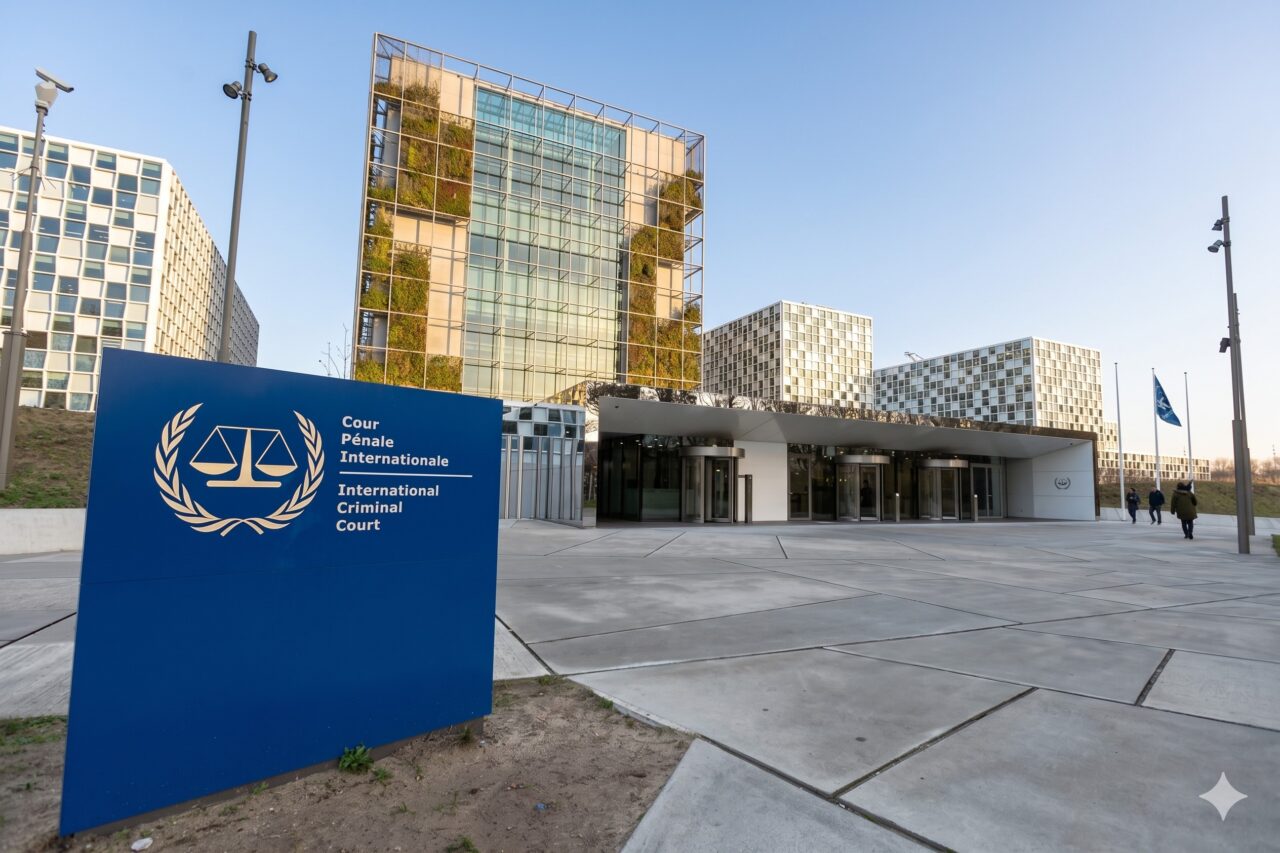
Niger has formally notified the United Nations of its intention to withdraw from the International Criminal Court (ICC), becoming the third country in the world to initiate a complete exit from the global tribunal after Burundi and the Philippines.
The decision marks another significant shift in the foreign policy of the West African nation’s ruling military authorities, who seized power in a 2023 coup and have since sought to redefine the country’s international partnerships and legal commitments.
Military Government Criticizes ICC
In its official communication to the United Nations, Niger’s government argued that the ICC has been “misused and exploited,” accusing the court of applying justice selectively and disproportionately targeting African nations.
The ruling junta also described the Hague-based institution as an instrument of “neo-colonialist repression,” alleging that it focuses heavily on cases involving African states while failing to hold more powerful countries accountable for alleged international crimes.
Authorities said the country intends to rely more heavily on domestic institutions and regional judicial mechanisms to address war crimes, terrorism-related offenses, and other serious violations instead of international oversight.
Part of a Wider Sahel Strategy
Niger’s move aligns with the broader political direction of the Alliance of Sahel States (AES), a regional bloc comprising military-led governments in Burkina Faso, Mali, and Niger.
In late 2025, the three countries announced a coordinated plan to withdraw from the ICC as part of a wider effort to reduce reliance on Western-led institutions. Niger is the first member of the alliance to formally begin the withdrawal process by submitting notice to the United Nations.
The AES countries have also distanced themselves from longstanding security partnerships with nations such as France and the United States while strengthening diplomatic and defense ties with Russia.
Withdrawal Will Not Take Immediate Effect
Under the Rome Statute, the treaty that established the International Criminal Court, a member state’s withdrawal becomes effective only after a 12-month waiting period following receipt of the notification by the United Nations.
As a result, the ICC will continue to retain jurisdiction over alleged crimes committed in Niger before the withdrawal officially takes effect, meaning investigations and prosecutions related to that period can still proceed.
Human rights organizations have expressed concern over the decision, warning that leaving the court could weaken avenues for accountability and reduce legal protections for civilians affected by ongoing insurgencies and armed conflict in the Sahel region.
Niger’s announcement represents another milestone in the evolving political landscape of the Sahel, where military-led governments are increasingly reshaping their relationships with international institutions and pursuing alternative regional and global alliances.
Source: Omanghana