Omanghana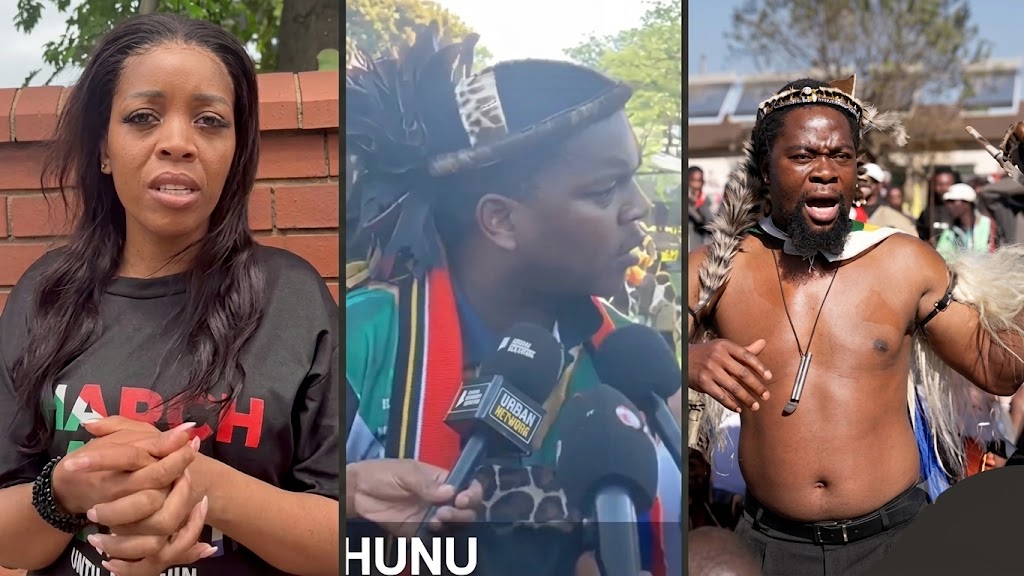
South African President Cyril Ramaphosa has issued a firm national address cautioning against violence, intimidation, and vigilantism ahead of planned anti-immigration demonstrations scheduled for Today, June 30, 2026.
The televised address comes amid heightened tensions triggered by an ultimatum from the anti-immigration movement known as “March and March,” which has demanded that all undocumented foreign nationals leave the country by the deadline or face what it describes as a nationwide shutdown.
The standoff has already sparked widespread anxiety, with more than 13,000 migrants reportedly leaving South Africa or seeking emergency repatriation in recent weeks.
President Balances Public Concerns With Law Enforcement Warning
In his weekly national briefing, President Ramaphosa acknowledged growing public frustration over immigration pressures, including concerns about border management, strain on public services, and the exploitation of migrant labor by criminal networks.
However, he drew a clear line against unlawful actions, warning citizens not to engage in vigilante behavior under the guise of protecting national interests.
He stressed that private individuals do not have the authority to detain others, demand identification on the streets, or conduct informal nationality checks.
Warning Against a Return to Apartheid-Era Practices
Ramaphosa also invoked South Africa’s historical experience under apartheid, comparing unlawful identity checks and forced documentation demands to the country’s past system of pass laws.
He warned that South Africa must not return to a period where individuals are subjected to humiliation or exclusion based on suspicion or appearance.
The president emphasized that while immigration reform remains a government priority, vulnerable migrants must not be used as scapegoats for broader socio-economic challenges, including unemployment and inequality.
Security Forces on High Alert
Law enforcement agencies have increased deployments in key hotspots, particularly in KwaZulu-Natal and Durban, where officials fear possible outbreaks of xenophobic violence or vandalism linked to the planned demonstrations.
Police say they are prepared to intervene swiftly to prevent any breakdown of public order.
Minister in the Presidency Khumbudzo Ntshavheni reinforced the government’s position, stating that no civic group will be allowed to disrupt national operations or enforce unofficial shutdowns.
Traditional Leaders Call for Calm
Traditional leadership has also stepped into the debate, urging restraint and peaceful conduct during the planned protests.
Prominent figures, including the Zulu King, have appealed to communities to avoid violence and ensure that the demonstrations do not result in loss of life or widespread unrest.
Regional Migration Pressure Intensifies
The growing uncertainty surrounding the June 30 deadline has triggered a significant movement of people across the region, with neighboring countries coordinating emergency transport and repatriation efforts.
According to the South African Border Management Authority, the largest groups affected include:
- Approximately 9,000 Malawians
- Around 3,000 Zimbabweans
- About 900 Ghanaians
- Roughly 300 Nigerians
Government Reaffirms No Shutdown Policy
Despite threats of disruption from activist groups, the government has dismissed the possibility of any national shutdown.
Officials maintain that South Africa’s constitutional order and economic operations will continue uninterrupted, with authorities pledging to maintain stability and protect all residents regardless of nationality.
As tensions build ahead of the planned protests, the country remains on alert, with both government and community leaders urging calm and restraint to prevent escalation.