Ben
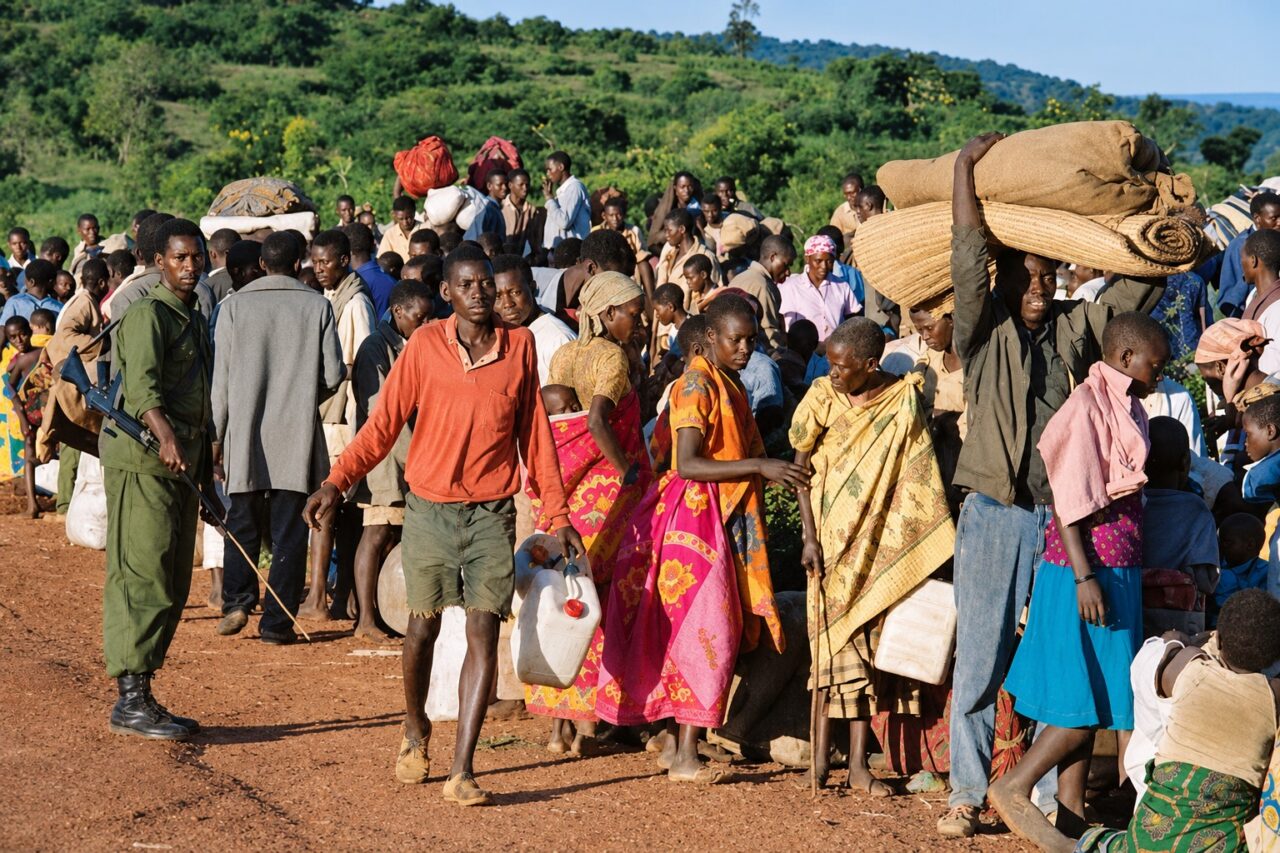
A plan by five European countries to establish a migrant return hub in Rwanda has drawn warnings from the United Nations and human rights organisations over the protection of people who could be transferred there.
Austria, Denmark, Germany, Greece and the Netherlands announced on November 16, 2026, that they were exploring the arrangement with Rwanda, with the aim of beginning transfers in 2027. Negotiations are continuing and the details have yet to be finalised.
The proposed facility would receive people who do not have the right to remain in the participating European countries and are subject to enforceable removal decisions, including some whose asylum applications have been rejected.
Concerns Over Migrants’ Rights
Human Rights Watch and Amnesty International have warned that transferring people to a country with which they may have no previous connection could expose them to arbitrary detention, ill-treatment and difficulties accessing legal remedies.
The organisations have also raised concerns about refoulement—the transfer of a person to a country where they face persecution, torture or other serious harm. This includes the risk of someone being sent onward from Rwanda to an unsafe country.
Human Rights Watch cited Rwanda’s domestic human rights record and allegations that Kigali backs the M23 armed group in eastern Democratic Republic of Congo. Rwanda denies supporting the group.
The organisation also said little information had emerged about the welfare and living conditions of approximately 20 people deported to Rwanda from the United States over the past year. Africanews
UN Calls Attention to Risks
A spokesperson for UN High Commissioner for Human Rights Volker Türk said he was concerned about the human rights risks of transferring people to Rwanda, where they may have no genuine connection.
The spokesperson said the UN Human Rights Office had not yet seen the text of the proposal and would provide a more detailed response.
How the Proposed Hub Would Work
The participating governments say the arrangement would comply with European, Rwandan and international law, including human rights obligations.
According to the Netherlands, the first phase would involve single men. Officials have indicated that the pilot facility could accommodate around 100 people at a time.
Under the proposed model, those transferred would be offered residence permits and initially accommodated in an open, temporary facility. They would have the opportunity to integrate into Rwandan society or voluntarily travel to their country of origin or another country where they can legally reside.
Rwandan Interior Minister Vincent Biruta said his country was committed to working with its European partners to provide a “safe, legal and dignified solution” for migrants.
Difference From Earlier UK Plan
The proposed European initiative differs from a previous British plan that would have sent asylum seekers to Rwanda while their claims were processed.
In 2023, the UK Supreme Court ruled that the British policy was unlawful because asylum seekers sent to Rwanda faced a real risk of being returned to countries where they could be persecuted. The UK later abandoned that scheme.
Source: Omanghana