Omanghana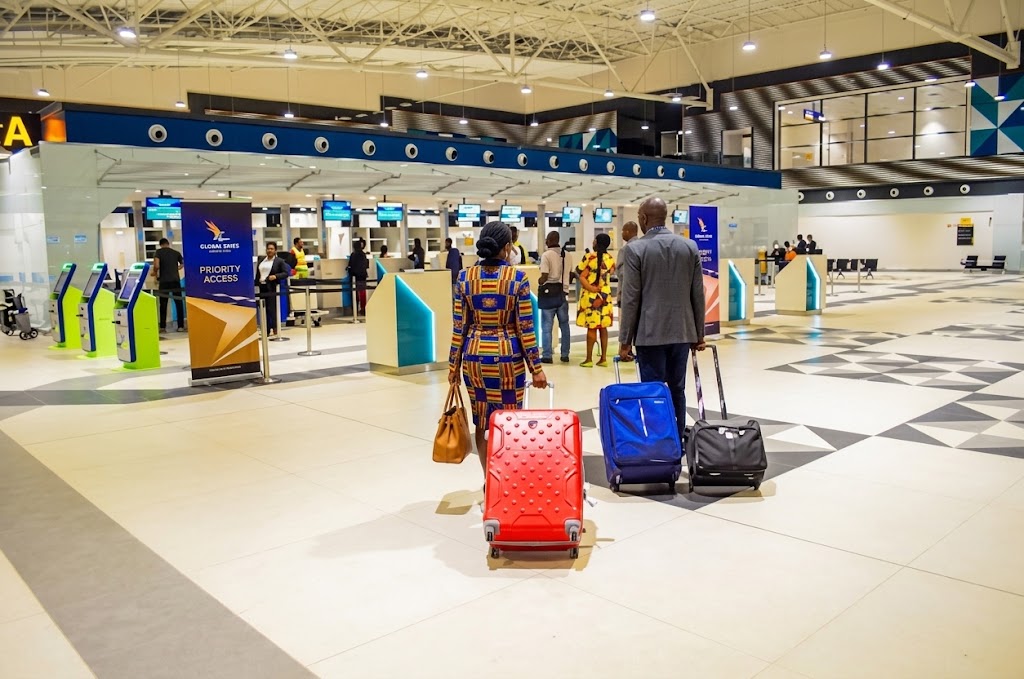
Africa’s push for continental integration is confronting a difficult contradiction: many citizens support free trade and cross-border movement in principle but become more cautious when migration is linked to jobs, security and public services in their communities.
The African Continental Free Trade Area seeks to create a more integrated African market by reducing trade barriers and improving the movement of goods, services and investment. Its long-term success, however, also depends on the ability of people to travel, work and conduct business across national borders.
Findings contained in Afrobarometer’s African Insights 2026 report illustrate the gap between public support for integration and persistent anxiety over immigration.
According to the report, 77% of Africans say they would welcome or would not object to having immigrants as neighbors. The figure suggests that most people do not automatically view foreign nationals with hostility at the personal or community level.
Support for economic integration is also relatively strong. About 62% of respondents believe that free trade among African countries would benefit their national economies.
Meanwhile, 56% support the right of Africans to move freely across borders within their respective subregions to live and work.
Those findings appear to provide a strong social foundation for the AfCFTA and the broader African Union goal of continental integration. However, attitudes become more restrictive when people are asked to consider the possible economic consequences of migration.
Approximately 40% of Africans prefer tighter controls on cross-border movement to protect citizens’ access to employment and other economic opportunities.
This response exposes the central challenge facing the continent. People may accept immigrants as neighbors and support African unity while still fearing that unrestricted migration could threaten their livelihoods.
The report also identified an unusual pattern in attitudes towards foreigners. Unlike trends commonly observed in several Western countries, Africans with higher levels of education, wealth, skilled employment and social development were reportedly less likely to welcome foreigners.
This suggests that anti-immigrant attitudes in Africa cannot be explained only by poverty or lack of education. Some economically secure citizens may also view foreign competition as a potential threat to professional opportunities, businesses or access to public resources.
Economic insecurity nevertheless remains one of the strongest drivers of public resistance to open borders.
Many African countries face high unemployment, particularly among young people. In such an environment, foreign workers are often accused of accepting lower wages, competing for informal-sector opportunities or taking jobs that citizens believe should be reserved for them.
These concerns can persist even when there is little evidence that immigrants are the main cause of unemployment. Weak economic growth, poor governance, limited industrial development and inadequate investment in skills generally play a much larger role in creating job shortages.
Public services are another source of tension. Healthcare, education, housing, water and sanitation systems in many countries are already under considerable pressure.
Residents who struggle to access these services may view new arrivals as additional competition for scarce resources. This frustration can quickly turn into resentment when political leaders fail to explain the deeper causes of service-delivery problems.
In countries experiencing severe inequality and unemployment, migrants are frequently used as scapegoats for failures that are largely domestic.
South Africa offers one of the most visible examples. Foreign nationals have repeatedly faced intimidation, attacks and exclusion from businesses or public services after being blamed for crime, joblessness and economic hardship.
Anti-immigrant rhetoric can be politically convenient because it redirects public anger away from corruption, weak institutions and ineffective economic policies. However, it also increases the risk of vigilantism, xenophobic violence and regional diplomatic tensions.
Security concerns present another obstacle to the rapid removal of border restrictions.
While trade organizations and business groups generally support the AfCFTA, many governments remain cautious about fully implementing the African Union’s Free Movement Protocol.
Authorities fear that poorly managed borders could facilitate irregular migration, human trafficking, weapons smuggling, organized crime and transnational terrorism.
These concerns are particularly significant in regions affected by armed conflict and extremist violence. Governments argue that they must retain the ability to identify people entering their territories and prevent criminal networks from exploiting new travel arrangements.
For this reason, many African states remain reluctant to introduce completely visa-free entry or remove conventional border controls.
Supporters of greater integration maintain that free movement does not require the absence of security checks. They argue that governments can make legitimate travel easier while improving intelligence sharing, digital identity systems and cooperation among law-enforcement agencies.
Better coordination could allow states to distinguish more effectively between ordinary travelers and genuine security threats.
Physical infrastructure represents an equally serious obstacle. Even where immigration rules are relatively flexible, travelling between African countries often remains difficult and expensive.
Afrobarometer found that 63% of Africans consider crossing borders for work or trade highly difficult.
Limited direct flights mean travelers frequently have to connect through distant destinations before reaching another African country. Airfares are also prohibitively expensive for many citizens, particularly informal traders, students and job seekers.
Poor road networks, deteriorating rail systems and lengthy delays at land borders further restrict movement. Traders may spend hours or days waiting for customs and immigration clearance, increasing the cost of transporting goods.
Visa reforms have produced mixed results. A growing number of countries have introduced electronic visas intended to simplify applications and reduce the need for embassy visits.
In practice, some e-visa systems continue to function as “visas in disguise.” Applicants may face high fees, extensive documentation requirements, unreliable websites and lengthy approval periods.
These barriers disproportionately affect small-scale traders and lower-income travelers, who are supposed to be among the main beneficiaries of African economic integration.
Large companies may be able to manage complicated immigration and customs procedures, but informal businesses often lack the financial resources and administrative support needed to navigate them.
This risks creating a form of integration that benefits corporations and wealthy travelers while leaving ordinary Africans behind.
The success of the AfCFTA will therefore depend on more than removing tariffs on goods. Governments must also improve transportation links, modernize border facilities, harmonies regulations and make legal travel affordable.
They must also address public fears about employment and immigration. Citizens are more likely to support free movement when they believe their governments can manage migration fairly, protect workers and provide reliable public services.
Labor protections could help prevent employers from exploiting migrant workers to reduce wages. Clear residency and employment rules could also reduce irregular migration while ensuring that foreign workers contribute through taxes and other legal obligations.
Public education will be equally important. Governments and civil society organizations must challenge false claims that blame migrants for every social or economic problem.
At the same time, concerns expressed by local communities should not simply be dismissed as xenophobia. Authorities must respond with credible policies on job creation, housing, security and service delivery.
Africa’s integration project must balance openness with accountability. Borders can become easier to cross without becoming unregulated, and migration can be managed without criminalizing or dehumanizing migrants.
The AfCFTA is ultimately intended to improve the lives of African people, not merely increase trade statistics.
Until governments can demonstrate that continental integration will create jobs, improve security and expand opportunity, the goal of a borderless African market will continue to face political and social resistance.
Africans may support unity in principle, but lasting integration will depend on whether that vision produces visible benefits in their everyday lives.
Source: Omanghana