Omanghana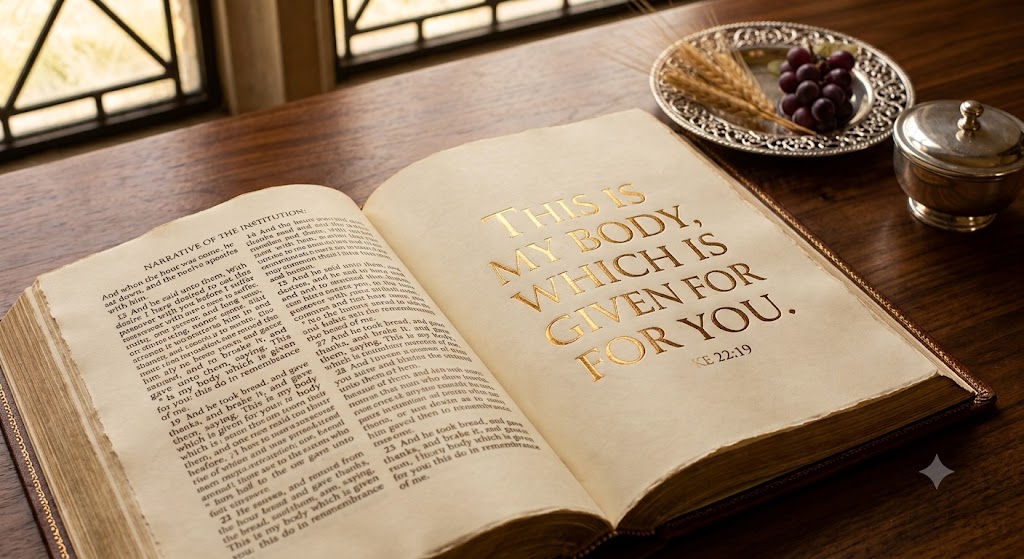
Holy Communion is one of the most sacred practices of the Christian faith. It invites believers to remember the sacrifice of Jesus Christ, receive the assurance of God’s grace and renew their commitment to living according to His Word.
Communion should not be approached as an empty ritual. It is a meaningful encounter that calls for self-examination, remembrance, thanksgiving and renewed discipleship. The following guide presents three spiritual phases that can help believers prepare their hearts and respond faithfully.
Before Communion: Examine Your Heart
Preparation for Communion begins with honest reflection. Paul teaches in 1 Corinthians 11:28 that believers should examine themselves before eating the bread and drinking from the cup.
Self-examination does not mean waiting until you feel perfect or worthy. No one earns a place at Christ’s table through personal goodness. Instead, believers come in humility, acknowledging their need for forgiveness and trusting in the grace of Jesus.
Ask the Holy Spirit to reveal unconfessed sin, hidden resentment, pride, bitterness or damaged relationships that require attention. Confess what He brings to mind and receive God’s forgiveness.
Preparation also includes forgiving others. Holding tightly to anger while celebrating the mercy of Christ creates a spiritual contradiction. Forgiveness does not excuse harmful behavior, but it releases personal vengeance and places justice in God’s hands.
A prayer before Communion may be:
Holy Spirit, examine my heart and reveal anything that separates me from close fellowship with You. I confess my sins and receive Your forgiveness. Help me release every offence and forgive others as You have forgiven me. Prepare me to approach Your table with humility, faith and gratitude. Amen.
During Communion: Remember Christ’s Sacrifice
During Communion, attention should move away from personal distractions and focus on Jesus Christ.
At the Last Supper, Jesus took bread, gave thanks, broke it and told His disciples, “Do this in remembrance of me” (Luke 22:19). The bread represents His body, given for humanity, while the cup represents His blood, poured out for the forgiveness of sins and the establishment of the new covenant.
To remember Christ means more than recalling a historical event. It means recognizing personally what His death and resurrection accomplished.
As you receive the bread, reflect on the body of Jesus that was offered on the cross. As you receive the cup, remember that His blood represents forgiveness, reconciliation and a restored relationship with God.
Communion is also an opportunity to receive afresh the peace, hope and spiritual renewal made available through Christ’s finished work. Believers may bring their pain, fears and weaknesses to Jesus while trusting in His presence and promises.
A prayer during Communion may be:
Lord Jesus, I remember Your body given for me and Your blood shed for the forgiveness of my sins. Thank You for bearing what I could not carry and paying the price I could not pay. I receive Your peace, grace and renewing presence. Restore my heart and strengthen my faith as I remain in covenant with You. Amen.
After Communion: Give Thanks and Live the Message
Communion does not end when the bread and cup have been received. Its meaning should continue through the believer’s daily life.
After Communion, take time to thank God for salvation, forgiveness and the privilege of belonging to the body of Christ. Gratitude should then become action.
The grace received at the table should influence how believers speak, serve, forgive and respond to the needs of others. Communion renews the call to represent Christ at home, at work, in the church and throughout the community.
Ask the Holy Spirit to help you walk in love, resist temptation and remain faithful throughout the coming week. Dedicate your plans, responsibilities and relationships to God.
A prayer after Communion may be:
Father, thank You for the grace I have received through Jesus Christ. Help me carry the message of His sacrifice into everything I do. Empower me through the Holy Spirit to walk in love, serve others and live as a faithful witness. Use my words, hands and actions to reveal Christ to the world. Amen.
Holy Communion leads believers through a powerful spiritual movement: examining the heart, remembering the cross and returning to daily life with renewed purpose.
When approached with humility and faith, Communion becomes more than a church tradition. It becomes a continuing reminder that Christians are forgiven by grace, united with Christ and called to share His love with the world.
Source: Omanghana