Ben
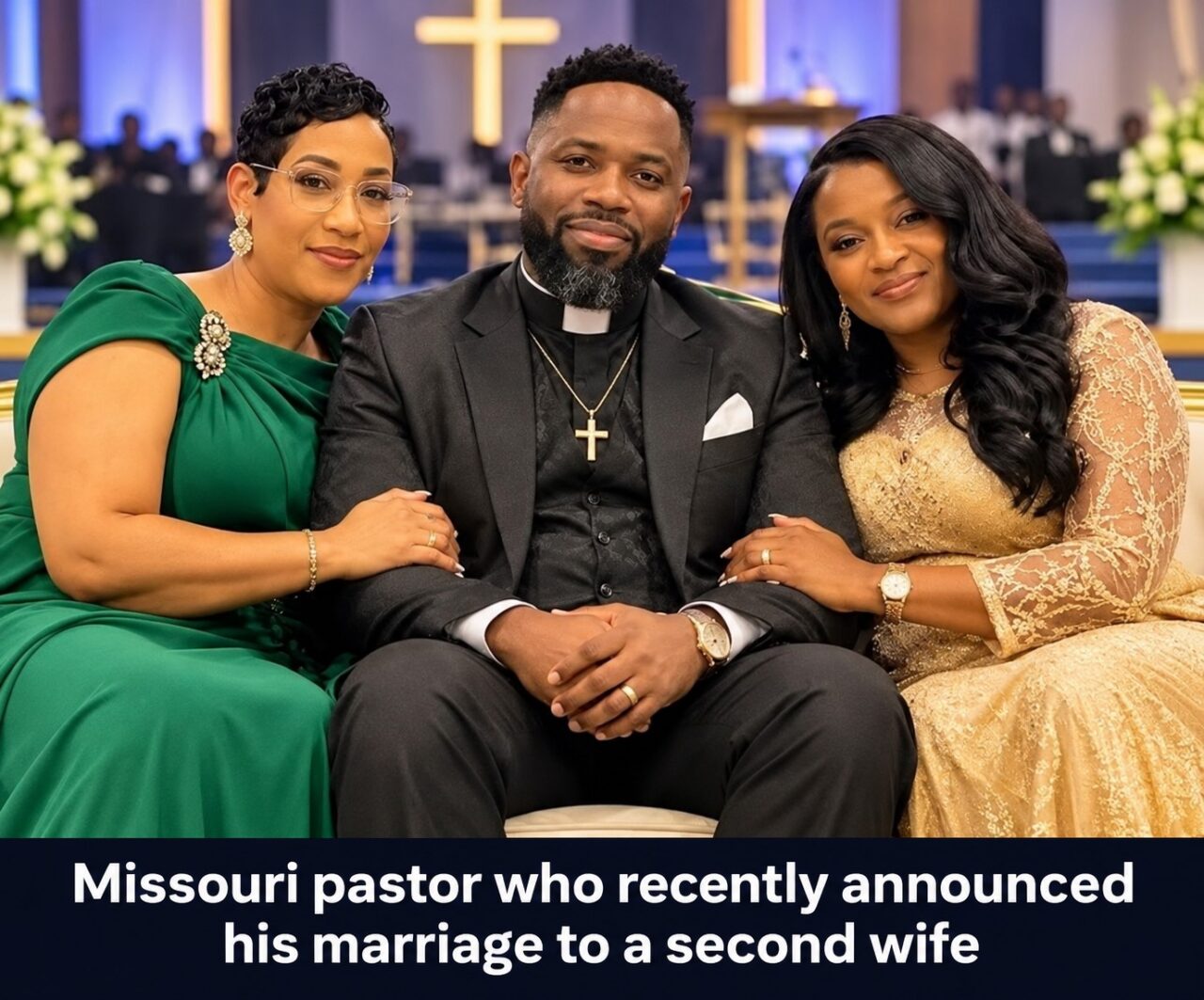
Most historic Christian churches teach that a man should have only one wife at a time. They understand Christian marriage as an exclusive union and hold that a married person should not take another spouse while that marriage remains in effect.
The question often arises because several well-known figures in the Old Testament had more than one wife. Christian teaching on marriage considers those accounts alongside the words of Jesus and the wider New Testament.
The Biblical Teaching on Marriage
Many Christians look first to Genesis 2:24, which describes a man leaving his parents and being joined to his wife so that the two become “one flesh.”
Jesus referred to this passage when teaching about marriage in Matthew 19:4–6. Many churches understand His words as affirming a lifelong, exclusive marriage between husband and wife.
The apostle Paul also speaks of each man having his own wife and each woman her own husband in 1 Corinthians 7:2. Churches commonly refer to this passage when explaining their teaching on marital faithfulness.
In 1 Timothy 3:2 and Titus 1:6, Paul describes a church leader as the “husband of one wife.” These passages address the qualifications of leaders. Christians differ over the precise meaning of the phrase, but many churches read it as supporting marital faithfulness and monogamy.
Why Did Old Testament Figures Have Multiple Wives?
The Old Testament records that Abraham, Jacob, David, Solomon and others had more than one wife. Some of their family accounts describe jealousy, conflict and suffering. Solomon’s story also describes how his wives influenced him to follow other gods. 1 Kings 11:1–4
The Old Testament includes laws addressing families in which a man had more than one wife, including provisions concerning inheritance and responsibilities to a wife. Exodus 21:10; Deuteronomy 21:15–17
Many Christian teachers understand these accounts and laws in their historical context while looking to Jesus’ teaching as their guide for Christian marriage. Some describe polygamy as a practice God tolerated in ancient society, rather than the ideal they believe is reflected in Genesis.
What Happens When a Polygamous Person Becomes a Christian?
The situation can be more complicated when someone who already has more than one wife becomes a Christian. Churches do not all handle these cases in the same way.
A 1988 Anglican conference recommended that, under certain conditions, a man in a polygamous marriage could be baptized without being required to send away his wives. One condition was that he promise not to marry again while any of his existing wives were alive.
Catholic teaching does not recognise polygamy as consistent with Christian marriage. Its canon law provides procedures for certain converts and calls for the needs of other wives to be addressed. The United Methodist Church likewise urges care for the welfare of women and children when polygamous relationships are being dissolved.
A person already in a polygamous family who wishes to follow Christ should seek guidance from a trusted church leader. The wellbeing and responsibilities owed to every spouse and child deserve careful consideration.
Source: Omanghana