Omanghana
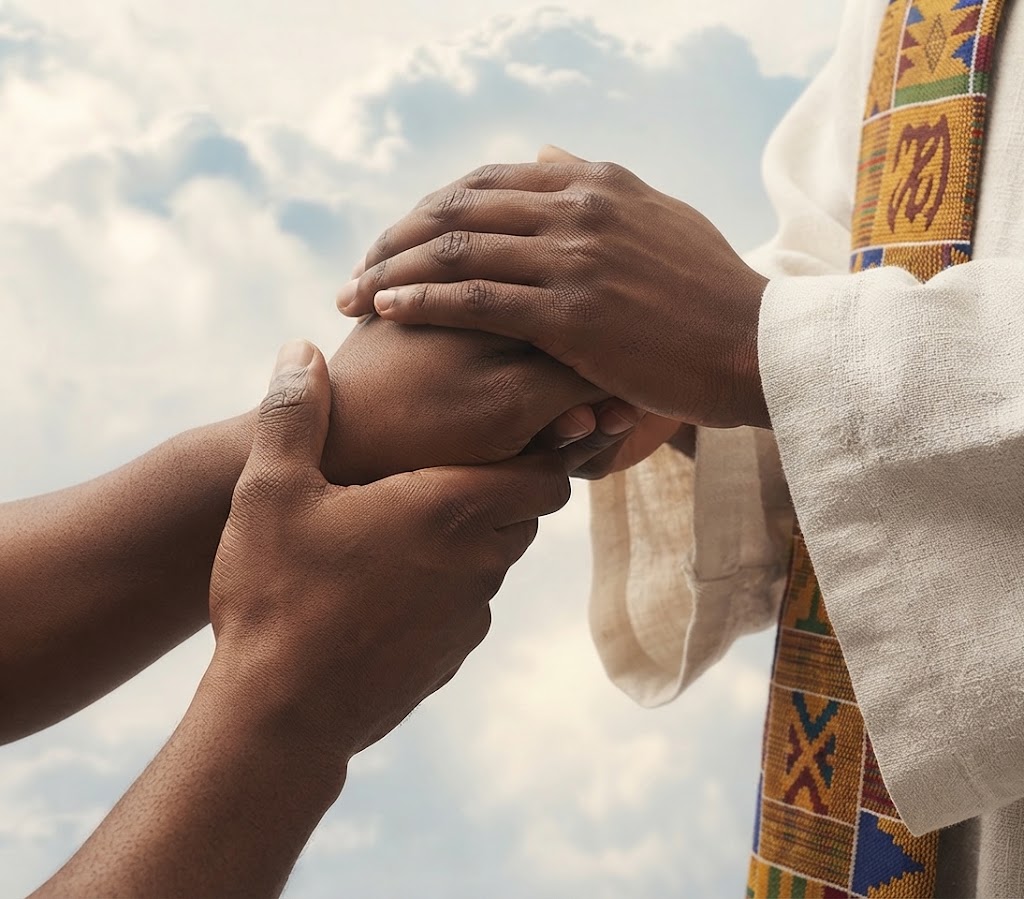
For Christians, the promise of forgiveness through Jesus Christ offers hope when considering the final judgment. The New Testament presents both assurance for those who belong to Christ and a call to account for how they have lived.
Romans 8:1 declares that there is no condemnation for those who are in Christ Jesus. This assurance places the foundation of salvation in Christ’s saving work rather than human perfection. Similarly, Jeremiah 31:34 describes God’s covenant promise to forgive wrongdoing and remember sin no more.
These passages offer believers confidence in God’s mercy. However, forgiveness does not make faithfulness, conduct or responsibility unimportant.
In 2 Corinthians 5:10, the Apostle Paul writes that everyone must appear before the judgment seat of Christ to receive what is due for actions performed during earthly life, whether good or bad. The passage connects Christian hope with accountability, encouraging believers to consider how they use their opportunities and serve others.
Some Protestant traditions understand this judgment primarily as an assessment of believers’ works and rewards, with their salvation already secured through faith. Other Christian traditions understand the relationship between faith, works and final judgment differently, emphasizing that a person’s actions reveal the reality of their response to God.
Paul’s description in 1 Corinthians 3:12–15 is central to discussions about reward and loss. Using the image of a building, he contrasts durable materials such as gold, silver and precious stones with wood, hay and straw. Fire exposes the quality of what each person has built.
The passage describes someone whose work is destroyed suffering loss while still being saved. Its immediate context concerns those building up the church on the foundation of Jesus Christ, although many Christians also apply its warning to the quality and motives of their service.
The Greek word bēma, translated as “judgment seat,” refers to a tribunal or place of judgment. Although an awards ceremony is sometimes used to illustrate the expectation of rewards, that comparison should not obscure the seriousness of Paul’s teaching about accountability.
Christians also differ over whether the judgment seat of Christ and the Great White Throne described in Revelation 20 represent separate events. Some interpret them as distinct judgments for believers and unbelievers, while others understand them as descriptions of a final judgment involving all humanity.
Alongside judgment, the New Testament promises resurrection and transformation. In 1 Corinthians 15:52, Paul describes the dead being raised imperishable and believers being changed. This hope points towards the completion of salvation and freedom from mortality and corruption.
Taken together, these teachings encourage confidence in Christ’s forgiveness and care in daily living. Christian assurance rests in God’s grace, while the expectation of judgment gives lasting significance to faithfulness, love and service.
Source: Omanghana