Omanghana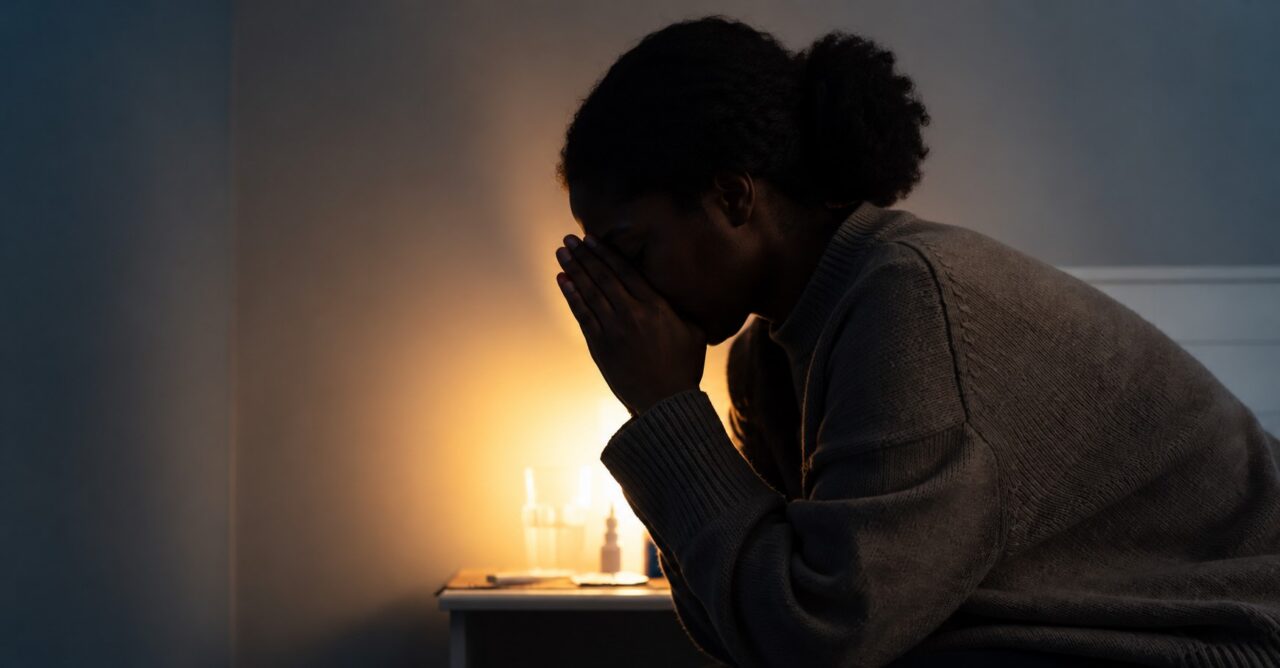
Midnight prayer offers Christians an opportunity to step away from daily distractions and spend quiet time seeking God. For many believers, these late-night moments provide space for worship, reflection and prayer about difficult circumstances, important decisions and personal struggles.
The account of Paul and Silas in Acts 16:25–26 is among the best-known biblical examples of midnight prayer. While imprisoned, they prayed and sang hymns to God before an earthquake shook the building and their chains came loose. Their experience illustrates faith amid suffering, rather than a guarantee that praying at a particular hour will produce an immediate breakthrough. Scripture encourages believers to pray continually, and God’s attention is not limited to midnight.
A prayer watch can begin with preparation of the heart. Between 11:45 p.m. and midnight, worshippers may reflect on Psalm 51:10, asking God for a clean heart and a renewed spirit. This period can include confession, releasing bitterness and expressing gratitude for God’s faithfulness.
A simple opening prayer might be: “Heavenly Father, search my heart and help me turn away from anything that draws me from you. Renew my thoughts, teach me to forgive and prepare me to listen. Thank you for your mercy and care.”
From midnight to 12:20 a.m., attention can turn to wisdom and direction. Jeremiah 33:3 encourages calling upon God, while Ephesians 1:17–18 connects spiritual understanding with knowing him more deeply. Daniel 2:22 also affirms God’s knowledge of what remains hidden from human understanding.
These passages can guide prayers about family responsibilities, work and uncertain choices: “Lord, give me wisdom to understand my circumstances and courage to follow what is right. Help me recognise deception, examine my assumptions and make decisions consistent with your Word.”
The next period, from 12:20 a.m. to 12:45 a.m., may focus on freedom from destructive habits, discouragement and recurring difficulties. John 8:36 points to the freedom found in Christ, while Paul and Silas’s experience encourages perseverance when circumstances appear overwhelming.
Believers can pray for strength to change harmful patterns and take practical steps towards recovery: “Father, strengthen me where I feel weak. Help me overcome habits that harm my life and relationships. Give me humility to seek support, discipline to make necessary changes and patience as I grow.”
Prayers for financial or family difficulties can similarly combine trust in God with requests for sound judgement, reconciliation and responsible action. Spiritual struggles should not automatically be interpreted as evidence of a curse or hidden attack.
The final minutes, from 12:45 a.m. to 1 a.m., can be devoted to thanksgiving and surrender. Philippians 4:6–7 encourages believers to bring their requests to God with gratitude and trust him for peace. Reading Psalm 23 or Psalm 91, or singing quietly, can help bring the prayer time to a reflective close.
“Lord, I place my concerns in your hands. Guard my heart with your peace, guide my steps and help me face the coming day with faith and wisdom, in Jesus mighty name. Amen.”
The timetable is a flexible guide. The value of midnight prayer lies in sincere fellowship with God, supported by faith, obedience and a willingness to act wisely beyond the prayer hour.
Source: Omanghana