Omanghana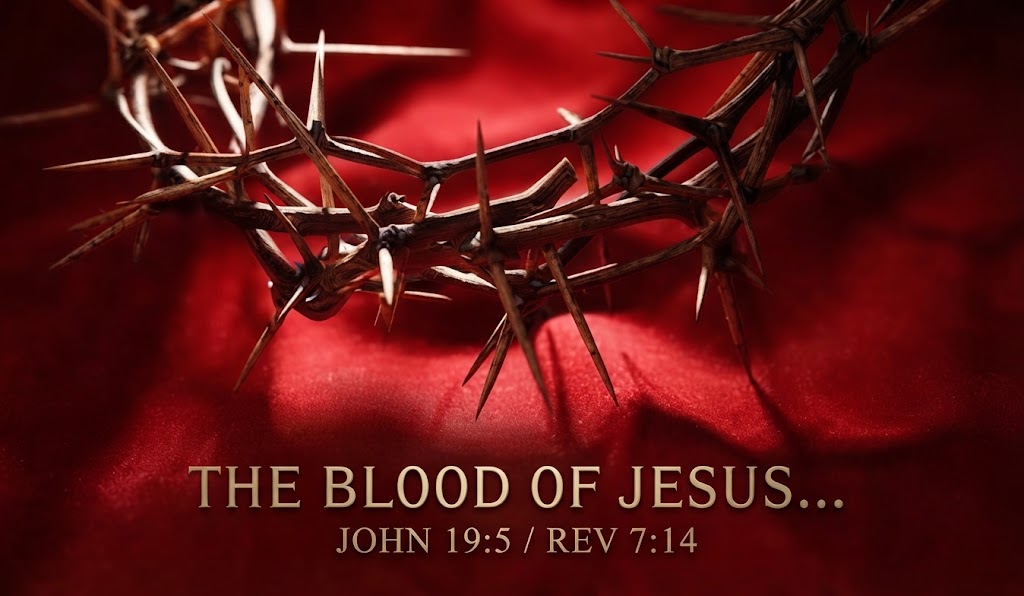
The blood of Jesus is central to Christian teaching because it represents Christ’s sacrifice, the forgiveness of sin and the establishment of a new relationship between God and humanity.
Throughout the Bible, blood is presented as more than a physical substance. It symbolizes life, and the shedding of blood represents the giving of life. Leviticus 17:11 states that the life of a creature is in its blood and that blood was given for atonement.
Under the Old Covenant, animals were sacrificed as substitutes for sinners. Hebrews 9:22 explains this principle by declaring that without the shedding of blood, there is no forgiveness.
However, the Book of Hebrews teaches that animal sacrifices could not permanently remove sin. They had to be offered repeatedly and served as signs pointing towards a greater and final sacrifice.
Christians believe that Jesus, described in the New Testament as the sinless Lamb of God, voluntarily gave His life and shed His blood to deal decisively with humanity’s sin. His sacrifice fulfilled the purpose of the earlier sacrificial system and made repeated animal offerings unnecessary.
Through the blood of Jesus, believers receive redemption. First Peter 1:18–19 teaches that Christians were not redeemed with temporary things such as silver or gold but with the precious blood of Christ.
His blood also provides atonement and reconciliation. Romans 3:25 presents Jesus as the sacrifice through whom God demonstrates His justice while offering mercy and forgiveness to sinners.
The blood of Christ also brings cleansing. First John 1:7 states that the blood of Jesus cleanses believers from all sin. This cleansing concerns not only forgiveness but also freedom from guilt and restoration to fellowship with God.
At the Last Supper, Jesus identified the cup as the new covenant in His blood. As recorded in Luke 22:20, His death established a new covenant based on grace rather than dependence on repeated sacrifices.
Believers are also justified through Christ’s blood. Romans 5:9 teaches that those who trust in Him are declared righteous before God, not because of their personal achievements but because of what Jesus accomplished.
The sacrifice of Christ also gives believers direct access to God. Under the Old Covenant, the high priest entered the Most Holy Place once a year with sacrificial blood. Hebrews 10:19 teaches that Christians can now approach God with confidence because of the blood of Jesus.
Revelation 12:11 connects the blood of the Lamb with spiritual victory, stating that believers overcome the accuser through Christ’s sacrifice and the testimony of their faith. This does not present the blood as a magical formula but as confidence in Jesus’ completed work.
Christians remember this sacrifice through Holy Communion. Bread represents Christ’s body, while wine or juice represents His blood. Christian traditions differ over how they understand Christ’s presence in Communion, but they agree that the practice points believers back to His death and the new covenant.
The blood of Jesus therefore represents the life He willingly gave for humanity. It is the foundation of redemption, forgiveness, cleansing, justification, reconciliation and access to God within the Christian faith.
Source: Omanghana