Omanghana
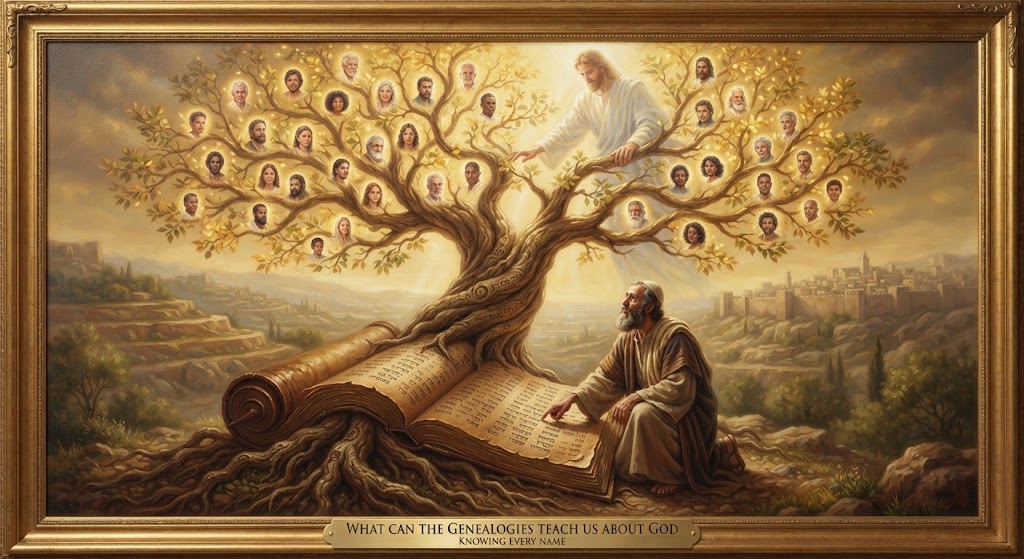
The genealogies recorded in Genesis, Chronicles, Matthew and Luke offer more than a catalogue of ancestors. Within the biblical narrative, these lists connect generations, preserve identities and help explain how God’s purposes unfold through human lives.
Although readers may overlook unfamiliar names, the records invite attention to the individuals behind the larger story. Kings, families and people whose lives receive little further explanation all occupy a place in Scripture. For Christian readers, this can serve as a reminder that a person’s significance is not measured solely by public recognition.
The genealogies also establish continuity between God’s promises and the story of Jesus. Matthew opens by identifying Jesus Christ as the son of David and the son of Abraham, linking his account to the royal and covenant promises of the Old Testament. The generations that follow carry the narrative through periods of leadership, national upheaval and exile.
Read in this context, the names testify to enduring faithfulness amid human instability. The biblical story presents God’s redemptive purposes as continuing across generations, even when those involved experience failure, displacement or uncertainty.
Matthew’s genealogy is particularly striking for the people it includes. Rahab and Ruth appear alongside prominent figures such as Abraham, David and Solomon. Their stories draw attention to women and outsiders whose lives became central to Israel’s history.
Rahab’s past and Ruth’s Moabite origins did not exclude them from the lineage Matthew records. Their inclusion supports a Christian understanding of grace that reaches across social and ethnic boundaries. The wider genealogy also contains deeply flawed rulers, showing that the story does not depend on a family history free from wrongdoing.
The arrangement of the names carries meaning as well. Matthew organizes the genealogy into three groups of fourteen generations, tracing the story from Abraham to David, from David to the Babylonian exile, and from the exile to Christ. This deliberate structure highlights major stages in the narrative. It is a theological presentation rather than an exhaustive record of every generation.
Luke takes a different approach, tracing Jesus’ ancestry backwards to Adam, whom the passage calls “the son of God.” This places Jesus within the broader human family and gives the genealogy a scope extending beyond Israel.
Read alongside Paul’s description of Christ as the “last Adam” in 1 Corinthians 15:45, Luke’s account contributes to the Christian understanding of Jesus as the one through whom humanity receives the hope of new life. Other New Testament passages develop the related theme of believers becoming God’s children through Christ.
Together, these genealogies encourage readers to see continuity, grace and purpose in passages that can initially appear repetitive. Behind the names are generations of human experience through which Scripture tells the story of God’s relationship with his people.
Source: Omanghana