Omanghana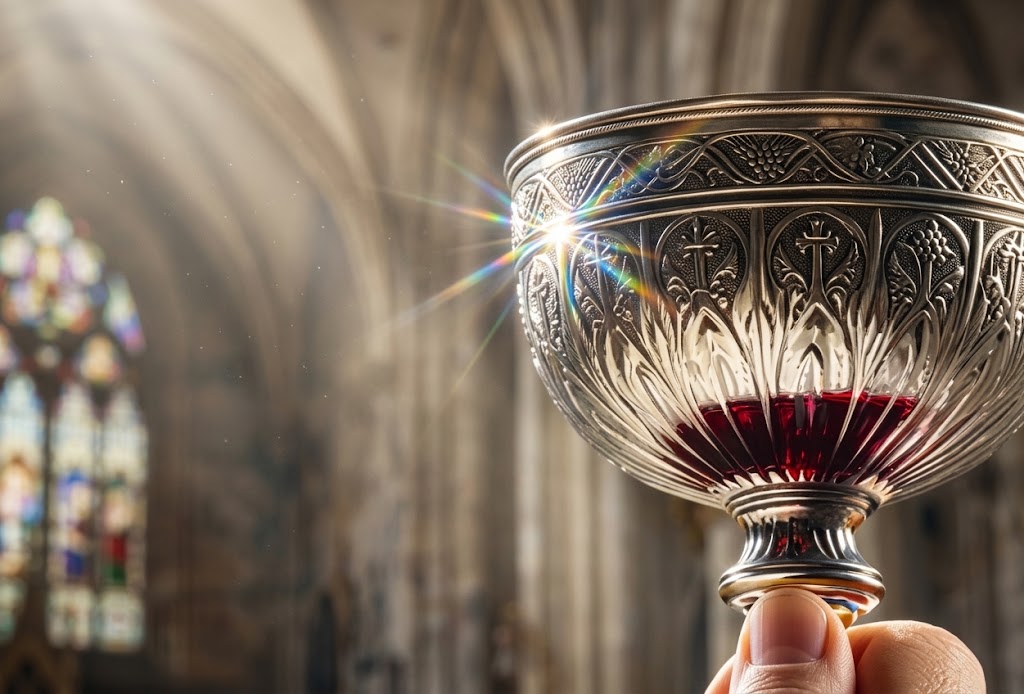
In Christian theology, the blood of Jesus Christ represents His sacrificial and substitutionary death on the cross. It is central to the New Testament’s explanation of how sinful humanity can be forgiven, reconciled to God and brought into a new covenant relationship with Him.
The spiritual power associated with Christ’s blood does not come from the physical substance in isolation. Rather, the expression refers to the life He willingly surrendered and the atoning sacrifice He completed on behalf of humanity.
One of the principal benefits believers receive through Christ’s blood is redemption. To redeem means to secure freedom by paying a price. According to the New Testament, Jesus gave His life as the decisive payment required to release humanity from the guilt, penalty and bondage of sin.
Ephesians 1:7 connects redemption through Christ’s blood directly with the forgiveness of sins and the riches of God’s grace. Forgiveness is therefore presented not as something people earn through good works, but as a gift made available through Christ’s sacrifice.
The blood of Jesus also provides justification. Romans 5:9 teaches that believers are justified by His blood and saved from divine wrath through Him.
Justification means that God declares the sinner righteous on the basis of Christ’s completed work. It does not suggest that the person has never sinned. Instead, Christ bears the judgment associated with sin, allowing those who trust in Him to stand accepted before God.
Another major provision is reconciliation. Sin created hostility and separation between humanity and a holy God, but Christ’s death removes the barrier and restores peace.
Colossians 1:20 states that God made peace through the blood Christ shed on the cross. Through this reconciliation, believers are no longer regarded as enemies but are welcomed into fellowship with God.
Christ’s blood also cleanses believers from sin and purifies their consciences. First John 1:7 teaches that the blood of Jesus cleanses from all sin, while Hebrews 9:14 explains that His sacrifice purifies the conscience from dead works so that believers can serve the living God.
Under the Old Testament sacrificial system, animal offerings provided ceremonial purification and pointed towards the need for a greater sacrifice. According to Hebrews, those repeated sacrifices could not permanently perfect the conscience of the worshipper.
The sacrifice of Christ, however, was offered once for all. It provides a deeper form of cleansing by addressing both the guilt of sin and the troubled conscience of the believer.
Through Jesus’ blood, Christians also receive confident access to God’s presence. Under the former covenant, entry into the Most Holy Place was restricted to the high priest and occurred only under prescribed conditions.
Hebrews 10:19 teaches that believers can now enter God’s presence with confidence through the blood of Jesus. Christ serves as the perfect High Priest, removing the need for another human mediator to provide spiritual access to God.
This access does not eliminate reverence or obedience. Instead, it allows believers to approach God directly in prayer, worship and repentance with confidence in Christ’s finished work.
The blood of Jesus also inaugurated the New Covenant. During the Last Supper, Christ identified the cup with the new covenant in His blood, poured out on behalf of others, as recorded in Luke 22:20.
This fulfilled the promise in Jeremiah 31 that God would establish a new covenant, write His law upon the hearts of His people, forgive their sins and enter a restored relationship with them.
Rather than depending on repeated animal sacrifices, the New Covenant rests on Christ’s single and sufficient offering. Believers consequently receive forgiveness, the indwelling presence of the Holy Spirit and a transformed relationship with God through grace.
The New Testament further presents Christ’s blood as the foundation of victory over spiritual opposition. Revelation 12:11 describes God’s people overcoming the accuser through the blood of the Lamb and the word of their testimony.
This victory rests on the fact that Christ’s death dealt with the guilt upon which Satan’s accusations depend. Because believers are forgiven and justified through Jesus, the enemy’s accusations cannot overturn God’s declaration of righteousness over them.
The blood of Christ therefore represents redemption, forgiveness, justification, reconciliation, cleansing, access to God, participation in the New Covenant and victory over spiritual accusation.
For Christians, these blessings are received through faith in Jesus Christ rather than through merely repeating phrases about His blood. The emphasis of the gospel is on trusting the Savior whose blood was shed and living in the freedom, holiness and restored relationship His sacrifice provides.
Source: Omanghana