Omanghana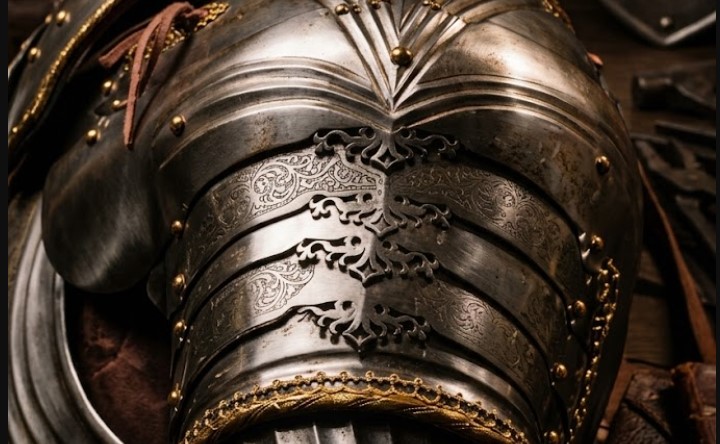
The Full Armor of God is a biblical picture of the spiritual resources believers need to resist temptation, overcome deception and remain faithful during difficult seasons.
Found in Ephesians 6:10–18, the teaching uses the equipment of a soldier to explain how Christians can prepare for spiritual opposition. Paul urges believers to depend on God’s strength rather than their own abilities.
The passage makes it clear that the ultimate struggle is not against other people. It describes the conflict as one involving spiritual forces of evil and commands believers to put on the whole armor of God so they can stand firm.
The Belt of Truth
The first piece mentioned in Ephesians 6:14 is the belt of truth.
A Roman soldier’s belt helped secure his clothing and supported other pieces of equipment. In the same way, God’s truth provides the foundation for a believer’s spiritual life.
Putting on the belt of truth means rejecting lies, studying Scripture and choosing honesty in thoughts, words and actions. It also requires measuring feelings, opinions and cultural messages against the truth of God’s Word.
The Breastplate of Righteousness
The breastplate protected a soldier’s chest and vital organs, including the heart.
Spiritually, it represents the righteousness believers receive through Christ and the commitment to live in obedience to God. It guards the heart against condemnation, guilt and moral compromise.
Wearing the breastplate of righteousness does not mean claiming personal perfection. It means trusting in Christ’s finished work while deliberately pursuing a life that reflects God’s character.
The Shoes of the Gospel of Peace
Roman soldiers wore strong sandals that helped them remain steady on difficult terrain.
The gospel of peace gives Christians spiritual stability when circumstances become uncertain. Because believers have peace with God through Jesus Christ, they can stand securely during hardship and conflict.
These spiritual shoes also represent readiness to share the good news and bring Christ’s peace into divided or troubled situations.
The Shield of Faith
The shield of faith is designed to extinguish the “flaming arrows” of the enemy.
These arrows may appear as fear, doubt, discouragement, accusation or temptation. Faith protects believers by directing their attention away from threatening circumstances and toward God’s character and promises.
Taking up the shield is an active decision. It involves trusting God even when emotions are unsettled and the outcome of a situation remains unclear.
The Helmet of Salvation
A helmet protects the head, making it an appropriate symbol for guarding the mind.
The helmet of salvation reminds Christians that their identity and eternal hope are secure in Christ. This assurance protects the mind from despair, hopelessness and persistent condemnation.
Putting on the helmet involves remembering what Christ has accomplished and refusing to allow negative thoughts to become more authoritative than God’s promises.
The Sword of the Spirit
The sword of the Spirit is identified directly as the Word of God. It is the only explicitly offensive weapon included in the passage.
Scripture exposes deception, corrects false beliefs and provides truth that can be applied during temptation and spiritual conflict. Jesus demonstrated this when He answered Satan’s temptations with Scripture.
Using the sword effectively requires more than owning a Bible. Believers must read, understand, remember and apply God’s Word to everyday situations.
Prayer Keeps Believers Spiritually Alert
After describing the six pieces of armor, Paul instructs Christians to pray in the Spirit on all occasions with every kind of prayer and request.
Prayer is not described as a separate piece of armor, but it is essential to the entire teaching. It keeps believers dependent on God, attentive to the Holy Spirit and prepared to support others.
Praying continually means maintaining regular communication with God throughout the day rather than limiting prayer to emergencies or formal religious gatherings.
How to Put On the Armor Every Day
Putting on God’s armor is not merely repeating the names of the six pieces each morning. It means intentionally practicing the spiritual realities they represent.
Christians can apply the teaching by beginning the day in prayer, reading Scripture, rejecting dishonest thoughts, trusting God during uncertainty and choosing conduct that reflects Christ.
Keeping Bible verses visible through written notes or digital reminders can also help believers recall God’s promises when fear or temptation arises.
Christian community is equally important. Just as soldiers strengthened their defenses by standing together, believers can support one another through prayer, accountability and encouragement.
The purpose of the armor is not to make Christians fearful or preoccupied with spiritual attacks. It equips them to live with confidence, knowing that their strength, protection and victory ultimately come from God.
The complete passage can be read in Ephesians 6:10–18.
Source: Omanghana