Omanghana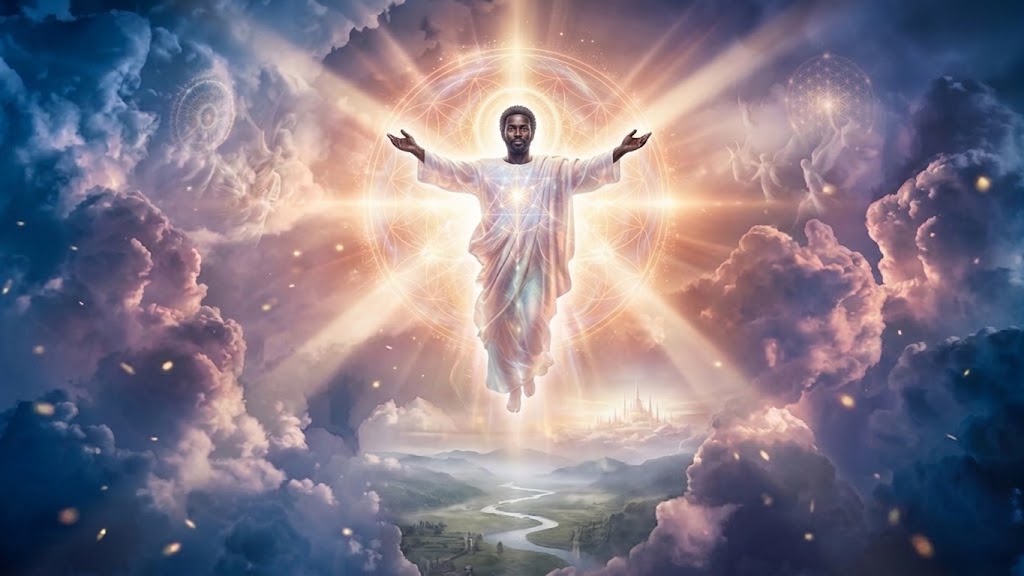
According to Christian theology, the return of Jesus Christ will bring human history to its decisive conclusion and usher in the complete fulfilment of God’s redemptive plan.
Known as the Second Coming or Parousia, Christ’s return is a central belief of Christianity. Although denominations interpret the timing of events such as the Rapture and the Millennial Kingdom differently, Christians broadly agree on several major events associated with his return.
Unlike his first arrival as a child in Bethlehem, Jesus will return openly in power and glory. His coming will not be a hidden event known only to a small group of people.
Acts 1 records that Jesus will return in the same manner in which his disciples saw him ascend into heaven. Matthew 24 describes the Son of Man coming on the clouds with power and great glory, accompanied by a trumpet call.
Revelation 1:7 declares that “every eye will see him.” The verse presents the Second Coming as a universally recognized event that will reveal Christ’s authority to the entire world.
The return of Jesus will also be accompanied by the resurrection of the dead.
In 1 Thessalonians 4, the Apostle Paul teaches that “the dead in Christ will rise first.” Believers who have died will be raised and given glorified, immortal bodies no longer subject to sickness, ageing or death.
Christians who are still alive at the time will also be transformed. They will be gathered together with the resurrected believers to meet the Lord.
Paul expands on this teaching in 1 Corinthians 15, explaining that mortal bodies will be changed into imperishable ones. The resurrection therefore represents the defeat of physical death and the restoration of the whole person.
Jesus will also return as the Judge of all humanity.
In Matthew 25, he describes the Son of Man sitting on his glorious throne and separating people as a shepherd separates sheep from goats. The passage connects genuine faith with compassion shown to the hungry, sick, imprisoned and vulnerable.
Revelation 20 presents the Great White Throne judgment, during which the dead stand before God and are judged according to what is written in the books.
This judgment will expose hidden actions, confront injustice and bring a final answer to the oppression and evil that have gone unpunished throughout history.
The Second Coming will also mark the complete defeat of Satan and every power opposed to God.
The Book of Revelation describes the destruction of the Antichrist and the overthrow of demonic forces. Satan is ultimately cast into the lake of fire, bringing his rebellion and deception to a permanent end.
Death itself is described as the last enemy to be destroyed. This means the victory of Christ will extend beyond defeating individual enemies—it will eliminate the power that has caused grief and separation throughout human history.
The final purpose of Christ’s return is not merely judgment and destruction but the restoration of creation.
Revelation 21 describes a new heaven and a new earth in which the effects of sin, suffering and decay have been removed. God will dwell directly with his people, restoring the relationship that humanity lost through sin.
Scripture promises that God “will wipe every tear from their eyes.” Death, mourning, crying and pain will no longer exist because the former order will have passed away.
The return of Jesus is therefore both a warning and a message of hope. It calls people to repentance, faithfulness and readiness while assuring believers that evil, injustice, suffering and death will not have the final word.
For Christians, the Second Coming represents the moment when Christ’s victory becomes fully visible, justice is completed and God makes all things new.
Source: Omanghana