Omanghana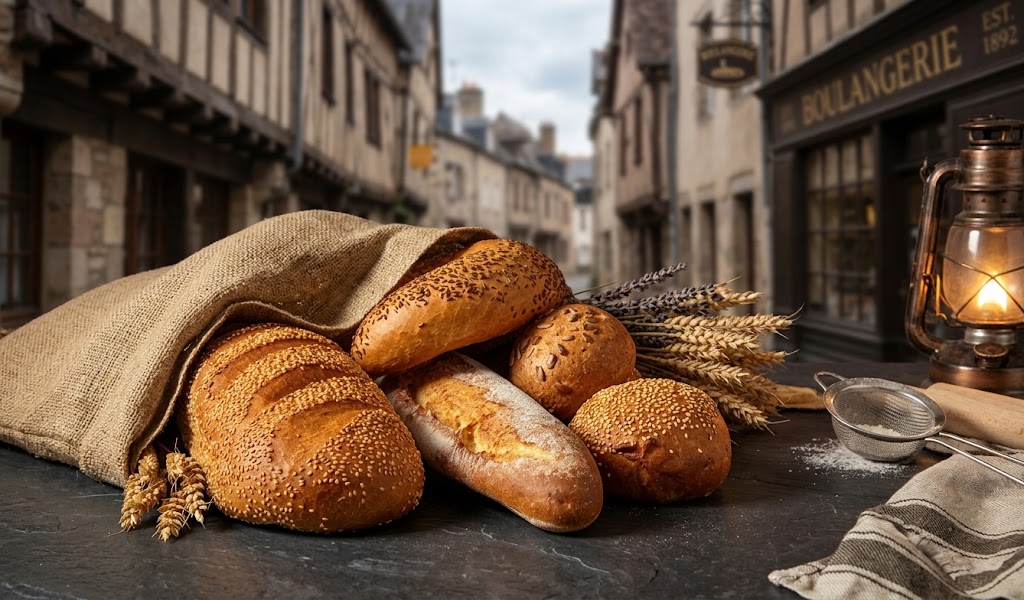
In Christian theology, bread and water are powerful symbols used to explain how Jesus Christ meets humanity’s deepest spiritual needs. Bread sustains life, while water refreshes and preserves it. Together, these images present Jesus as the source of spiritual nourishment, renewal and eternal life.
Jesus directly describes himself as the “Bread of Life” in John 6:35, declaring: “I am the bread of life. Whoever comes to Me shall never hunger, and whoever believes in Me shall never thirst.”
The statement followed the feeding of more than 5,000 people, when Jesus multiplied a small quantity of bread and fish to satisfy a large crowd. Although the people were interested in receiving more physical food, Jesus redirected their attention towards the spiritual life that only he could provide.
Bread was a basic daily necessity in the ancient world. By calling himself the Bread of Life, Jesus taught that people need him for spiritual survival just as the human body depends on food.
The declaration also recalls the manna God provided for the Israelites during their journey through the wilderness, as recorded in Exodus 16. The manna temporarily sustained their physical lives, but those who ate it eventually died.
Jesus presented himself as the true bread from heaven, offering something greater than temporary physical nourishment. According to his teaching, those who believe in him receive eternal life and restored fellowship with God.
In John 6:51, Jesus further connected the bread with his sacrificial death, saying that the bread he would give was his flesh, offered for the life of the world. Christians understand this as pointing towards his death on the cross for humanity’s sins.
The symbolism appears again during the Last Supper, when Jesus took bread, gave thanks and presented it to his disciples as a representation of his body. This act became the foundation of Holy Communion, also known as the Eucharist or the Lord’s Supper.
Through Communion, Christians remember Christ’s sacrifice and celebrate the salvation made available through his death and resurrection. Different Christian traditions explain the nature of the bread in different ways, but they agree that the practice directs believers towards Jesus and his sacrifice.
The image of living water is equally important in Christ’s teaching. Although the Gospels do not record Jesus using “Water of Life” as a formal title in the same direct manner as “Bread of Life,” he presents himself as the giver and source of living water.
This message is especially clear in his conversation with a Samaritan woman at a well. In John 4:13–14, Jesus explained that anyone who drank ordinary water would become thirsty again, but the water he provided would become a spring leading to eternal life.
The woman initially understood his words literally, but Jesus was speaking about spiritual renewal. Physical water satisfies the body temporarily, while the living water he offers addresses the deeper thirst of the human soul.
People often attempt to satisfy their inner longings through wealth, relationships, recognition or pleasure. Although these things may provide temporary fulfilment, Christian teaching maintains that lasting peace and spiritual satisfaction are found through a relationship with Christ.
The image of living water also has deep roots in the Old Testament. Jeremiah 2:13 describes God as the “fountain of living waters” and criticizes the people for abandoning him in favour of broken sources that could not truly satisfy them.
By offering living water, Jesus placed himself within this divine imagery. His words pointed towards forgiveness, cleansing, spiritual rebirth and a restored relationship with God.
The meaning becomes even clearer in John 7:37–39. During the Feast of Tabernacles, Jesus invited anyone who was thirsty to come to him and drink. John explains that Jesus was speaking about the Holy Spirit, whom believers would later receive.
Living water, therefore, represents more than emotional comfort. It points to the presence and work of the Holy Spirit within believers, bringing renewal, guidance, strength and transformed character.
The imagery also recalls occasions when God provided water for the Israelites in the wilderness. In Exodus 17, water came from the rock at Horeb to sustain a thirsty people. The New Testament later uses this event to point towards Christ as God’s provision for his people.
Bread and water communicate related but distinct truths. Bread represents spiritual nourishment, Christ’s sacrificed body and the gift of eternal life. Water represents cleansing, inner satisfaction, renewal and the indwelling presence of the Holy Spirit.
Together, the two images teach that spiritual life cannot be produced through human effort alone. Just as people must receive food and water to remain physically alive, salvation and spiritual strength must be received from Christ through faith.
Jesus as the Bread of Life sustains those who come to him, while the living water he gives satisfies their deepest spiritual thirst. Both metaphors ultimately reveal him as the source of forgiveness, renewal and everlasting life.
Source: Omanghana