Omanghana
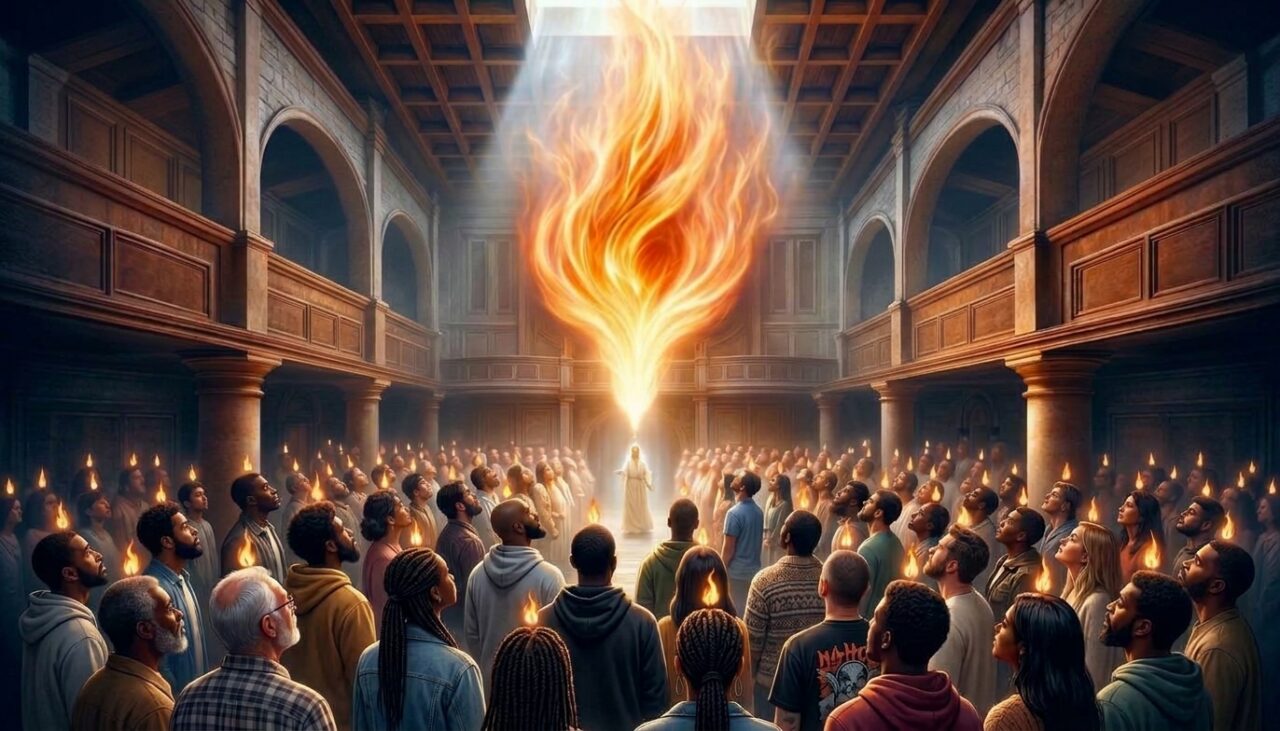
The coming of the Holy Spirit at Pentecost marked a defining moment in Christianity, empowering Jesus’ followers to proclaim the Gospel and establishing a new chapter in the life of the Church. Recorded in Acts 2, the event fulfilled Jesus’ promise that His disciples would receive divine help to continue their mission after His departure.
In John 16:7, Jesus explained that His leaving would benefit the disciples because the Helper would come to them. His promise assured them that they would not face the responsibilities and challenges ahead through their own strength alone.
Before His ascension, Jesus instructed His followers to remain in Jerusalem until they received power from God. Acts 1:8 connected that empowerment directly to their calling: they would become His witnesses in Jerusalem, throughout Judea and Samaria, and to the ends of the earth.
At Pentecost, people from different nations heard the disciples speaking about God’s mighty works in their own languages. The moment demonstrated that the Gospel was intended to cross cultural and linguistic boundaries. Christians often understand this as a meaningful contrast to the division associated with the Tower of Babel.
Pentecost is therefore widely celebrated as the birth of the Church, when the gathered disciples were empowered for public witness. Their mission would extend beyond their immediate community, carrying the message of Jesus to people of different backgrounds.
The Spirit’s coming also expressed the promises of inward renewal associated with the New Covenant. Jeremiah spoke of God’s law being written on people’s hearts, while Ezekiel 36:26–27 described a new heart and the gift of God’s Spirit to enable obedience.
These promises point to a relationship with God that transforms people from within. Christian obedience involves more than knowing what is right; it includes depending on God’s presence and power to live faithfully.
Although the Holy Spirit was already active throughout the Old Testament, Pentecost marked a new outpouring upon the community of believers. In 1 Corinthians 6:19, Paul describes the believer’s body as a temple of the Holy Spirit, emphasizing both God’s nearness and the responsibility to honor Him in everyday life.
The Spirit’s work also includes guidance and understanding. In John 16:13, Jesus promised that the Spirit of truth would guide His disciples into truth. Christians look to the Spirit for help in understanding Scripture and applying its teaching with wisdom.
This guidance is accompanied by moral and spiritual growth. Galatians 5:22–23 describes the fruit of the Spirit as love, joy, peace, patience, kindness, goodness, faithfulness, gentleness and self-control. These qualities show how faith should shape relationships, decisions and responses to difficult circumstances.
The Holy Spirit also brings conviction of sin, calling people towards repentance and renewed obedience. This work exposes what needs to change while directing believers towards God’s forgiveness and restoration.
Jesus further described the Spirit as an enduring Helper and Advocate. That promise offers comfort in seasons of weakness, uncertainty and sorrow. Romans 8:26 teaches that the Spirit helps believers in their weakness and intercedes when they struggle to find words for prayer.
Alongside this help, the Spirit provides assurance. Ephesians 1:13–14 presents the Holy Spirit as a seal and a guarantee of the believer’s inheritance, connecting God’s presence in the present with the hope of final redemption.
For Christians, Pentecost carries meaning far beyond the remembrance of a remarkable event. It speaks to an ongoing dependence on God for courage, understanding, transformed character and faithful service. The Spirit who empowered the first disciples remains central to the Church’s worship, witness and daily life.
Source: Omanghana