Omanghana
The African Union has recommended Ghana’s GoldBod framework to other African countries, describing it as a model for improving mineral governance and translating resource wealth into greater economic stability.
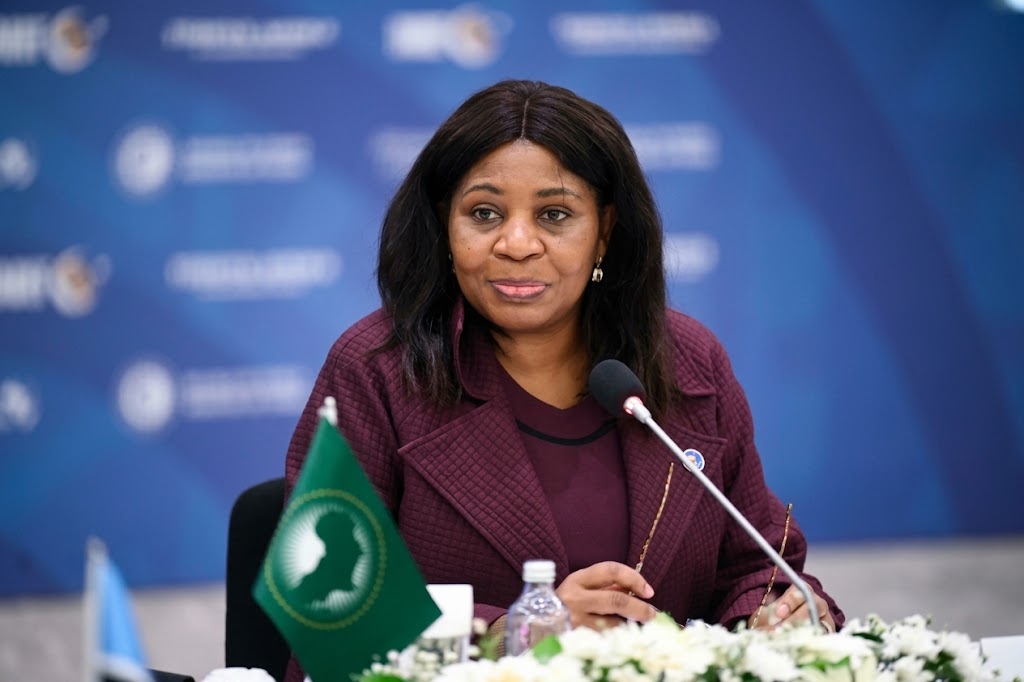
Speaking at the African Minerals Policy Forum, dubbed Mining in Motion 2026, in Accra on Monday, October 19, AU Commissioner Francisca Tatchououp Belobe said the state-led approach offered lessons for countries seeking to retain more of the benefits from their mineral resources.
The endorsement highlighted GoldBod’s role in organising gold trading, strengthening formal purchasing channels and supporting the flow of foreign exchange into Ghana’s economy.
Figures cited in support of the model showed that GoldBod generated US$1.871 billion in foreign exchange in September 2026 through formalised artisanal and small-scale gold trading. These inflows were presented as an important source of liquidity for the Bank of Ghana and support for currency stability.
The framework centres on coordinated gold purchasing, assaying, sales and exports, with the aim of reducing revenue leakages and directing more mineral earnings through the domestic banking system.
Domestic gold procurement also forms part of the strategy. A purchasing arrangement targeting 20 per cent of production from large-scale miners was highlighted alongside the accumulation of central bank gold reserves, reported at 37.06 tonnes.
Another priority is bringing artisanal and small-scale miners into formal trading networks. By expanding access to regulated purchasing channels, the initiative seeks to curb smuggling and fraudulent cross-border transactions while improving oversight of the sector.
Beyond gold trading, the model promotes domestic processing and manufacturing. A dedicated Gold Jewelry Unit is intended to support hallmarking, certification and the development of higher-value exports, creating opportunities to retain additional earnings within Ghana.
The African Union Commission plans to share lessons from the framework with member states as part of wider efforts to strengthen mineral processing networks and secure fairer returns from resource extraction.
Tanzania, Sierra Leone and Zambia are among the countries reported to have sent official delegations to study the Ghanaian approach.
Source: Omanghana