Omanghana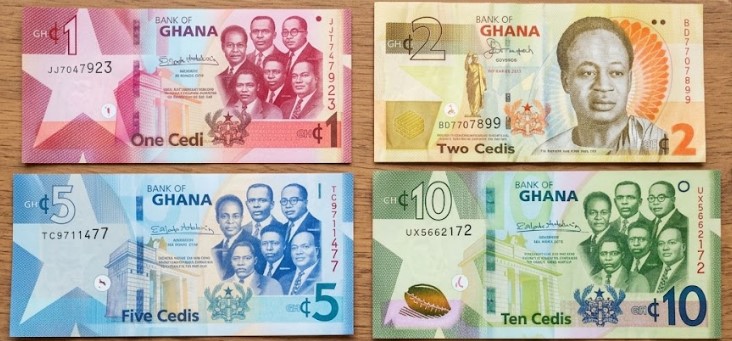
The Bank of Ghana has warned the public to stop abusing, defacing or improperly handling Ghana cedi notes and coins, cautioning that offenders could face arrest, prosecution, fines or imprisonment.
The central bank raised particular concern about the practice of spraying money at weddings, funerals, birthdays and other social events. It said throwing banknotes on the ground, dancing on them or deliberately stepping on them amounts to the improper treatment of the country’s legal tender.
The BoG also condemned the growing use of cedi notes to create money bouquets, decorative hampers, jewellery and fingernail designs. According to the bank, folding, piercing or attaching currency notes to decorative materials can damage them and shorten their lifespan.
Members of the public were further cautioned against writing on, tearing, cutting, crumpling, staining or deliberately soiling banknotes. Any act that alters or damages the physical condition of a currency note may be treated as unlawful tampering.
Similar restrictions apply to coins. The central bank said filing, cutting, colouring, gilding or silvering coins constitutes an offence. Possessing coin scrapings or selling coins for amounts exceeding their legal face value is also prohibited.
The BoG warned individuals, businesses and content creators against reproducing or commercially using images of Ghanaian banknotes and coins without obtaining its prior written approval.
The restrictions are supported by the Bank of Ghana Act, 2002 (Act 612), as amended, and the Currency Act, 1964 (Act 242), which provide legal protection for Ghana’s currency.
The central bank noted that substantial public resources and foreign exchange are spent annually on printing banknotes, minting coins and replacing damaged currency. It therefore urged citizens to handle the cedi responsibly to help reduce replacement costs and preserve the dignity of the national currency.
The BoG said it was collaborating with the Ghana Police Service and other state security agencies to monitor public events and online platforms. It warned that anyone found violating the country’s currency laws could be arrested and prosecuted.
Source: Omanghana