Omanghana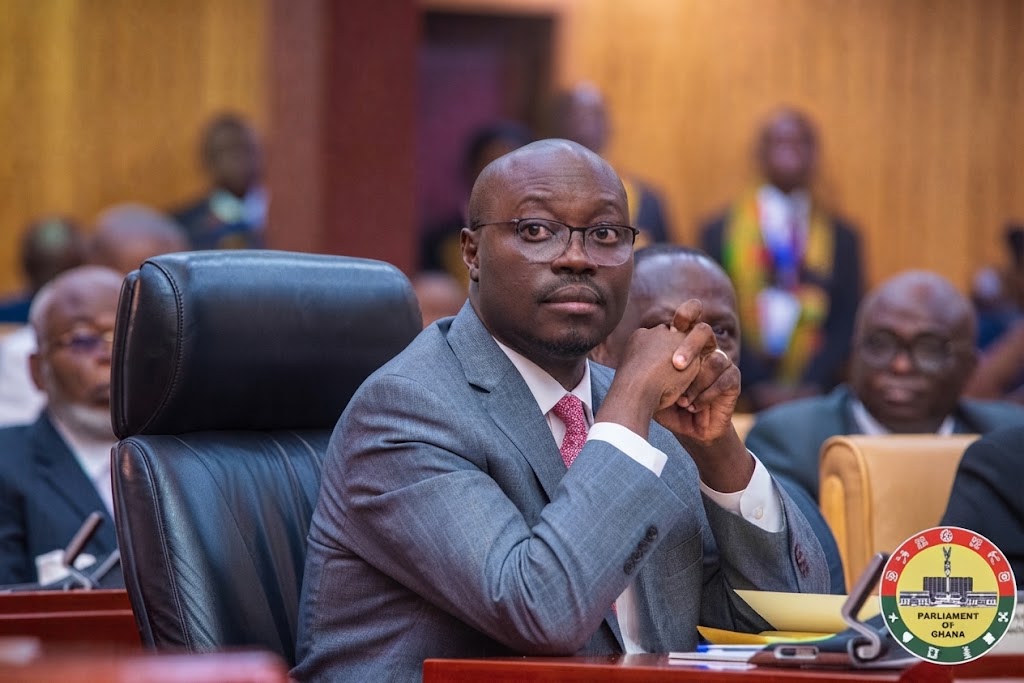
Finance Minister Dr. Cassiel Ato Forson has announced that the cost of borrowing and accessing capital in Ghana is gradually declining, attributing the development to the government’s fiscal policies and falling Treasury bill rates.
According to him, the reduction in T-bill yields is helping to ease financing conditions and creating the possibility of lower lending rates for businesses.
Dr. Forson explained that the government has deliberately pursued measures aimed at reducing its domestic borrowing costs. As government securities become less expensive, commercial banks are expected to channel more resources into private-sector lending instead of concentrating heavily on Treasury instruments.
The changing interest-rate environment comes amid signs of improving macroeconomic stability, declining inflation and a stronger sovereign credit outlook.
The Finance Minister said prudent debt management and lower yields on government securities have also reduced the amount the state spends on interest payments. This has generated savings running into billions of cedis and created additional fiscal space for development programs and other national priorities.
Lower government borrowing costs could also help reduce pressure on the domestic financial market, making funds more accessible to businesses seeking capital to expand operations, create jobs and invest in new projects.
Despite the progress, businesses have consistently raised concerns about high commercial lending rates and their effect on production and competitiveness. Dr. Forson, however, expressed optimism that sustained fiscal discipline and continued improvements in key economic indicators would eventually translate into more affordable credit.
The government is seeking to build on the economic recovery by restoring Ghana’s investment-grade credit rating by 2030. Achieving that target is expected to strengthen investor confidence, reduce the country’s long-term interest burden and support private-sector growth.
Source: Omanghana