

 Ben
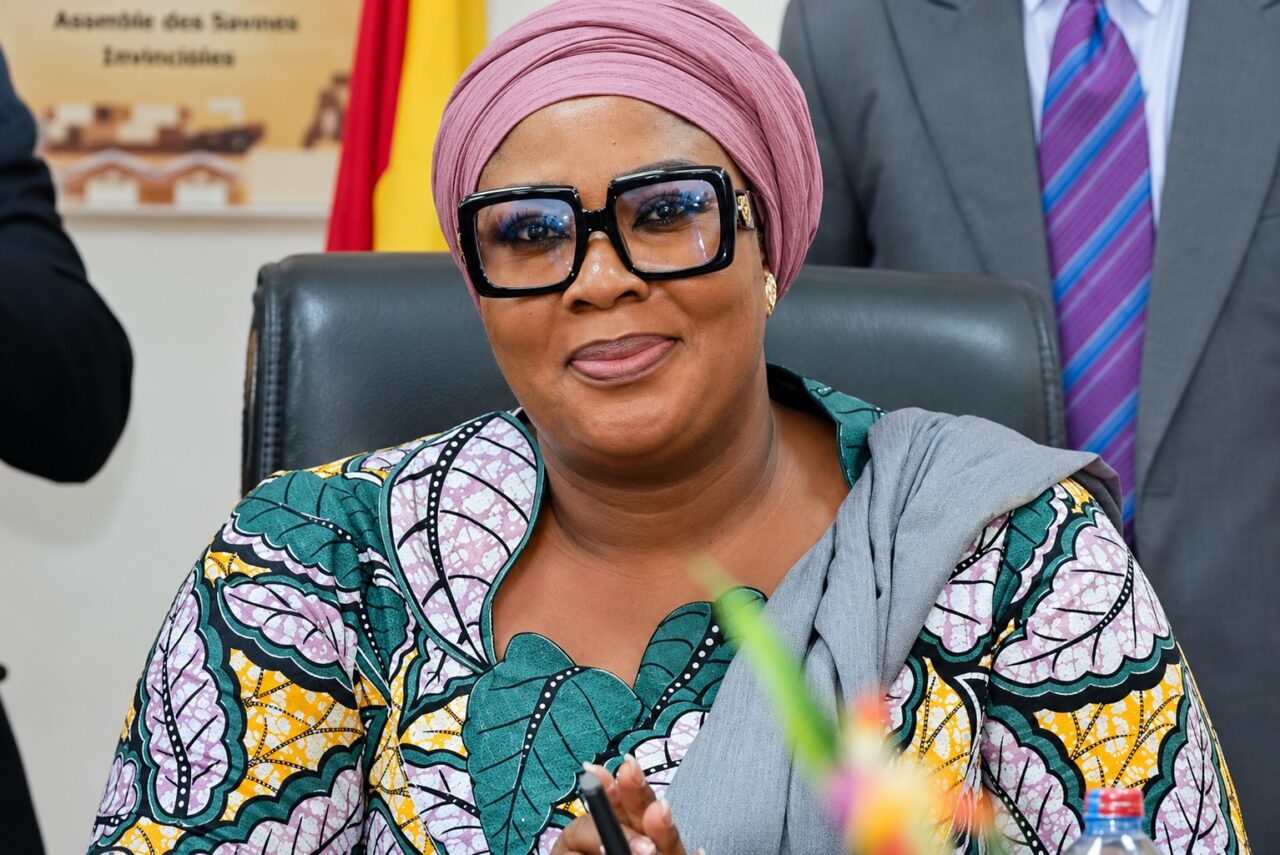
Dr Mary Awusi is the Chief Executive Officer of the Ghana Free Zones Authority (GFZA), the institution responsible for administering Ghana’s Free Zones program.
Appointed in January 2025, she became the first woman to lead the authority since its establishment in 1995. Her work focuses on attracting investment, promoting exports and supporting Ghana’s industrial development.
Professional Background
Dr Awusi has a background in policy, governance and economic development, with more than a decade of experience in procurement and supply chain management.
Her work has also covered policy formulation, governance reform, local government administration and strategic planning.
Education
Dr Awusi holds a PhD in Adult Education and Human Resource Studies, a Master of Arts in Sociology, and a Bachelor of Arts in Sociology and Adult Education from the University of Ghana.
She also holds a Master of Arts in Local Government Administration and Organization from the Institute of Local Government and a postgraduate certificate in Project Management from the Graduate Training Institute.
She is also a board member of the University of Ghana’s School of Social Sciences, according to the GFZA.
Vision for Ghana’s Free Zones
At the GFZA, Dr Awusi has outlined plans to help develop Ghana’s Free Zones into globally competitive special economic zones capable of attracting investment, expanding exports and creating jobs.
She has advocated closer links between businesses, research institutions and technology providers. Her proposals include collaborative innovation hubs to support research and product development in biotechnology, agro-processing, renewable energy and information and communications technology.
She has also emphasised the importance of strengthening local enterprises through improved packaging, innovation and reliable supply chains, enabling Ghanaian businesses to compete in African markets.
At the Invest Ghana Summit 2026, Dr Awusi reported that Ghana’s Free Zones enterprises exported approximately $471.84 million worth of goods to 26 African countries between 2023 and the third quarter of 2026. She also said 32 enterprises had registered under the African Continental Free Trade Area framework.
Her stated priorities include export diversification, job creation and greater opportunities for women and young people in trade and industry.
Source: Omanghana


