Omanghana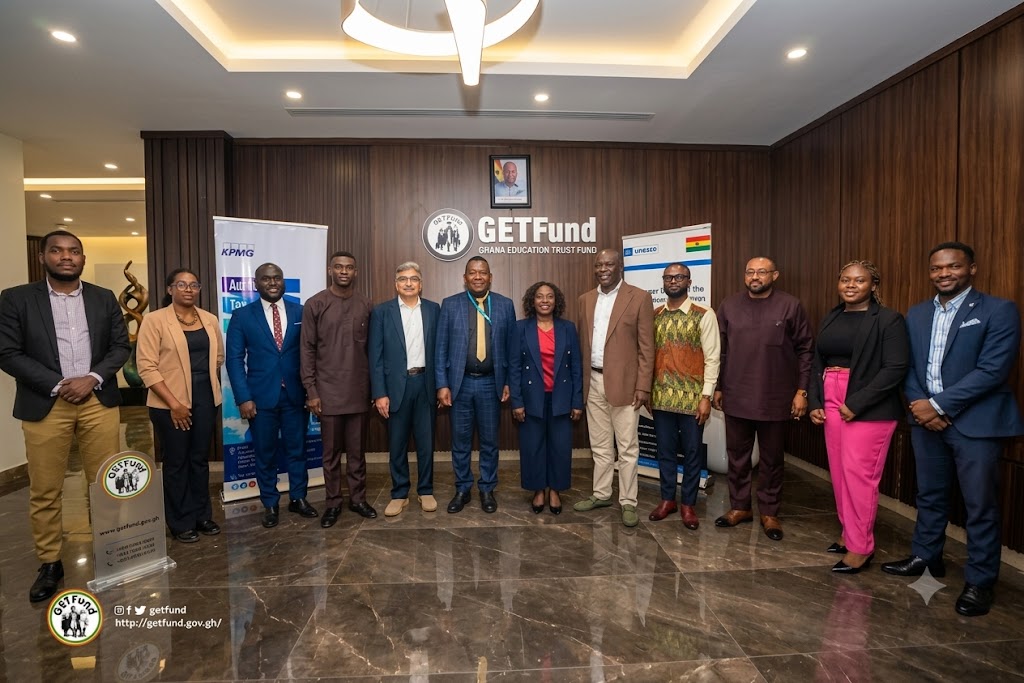
The Ghana Education Trust Fund and UNESCO have signed a Letter of Intent to integrate artificial intelligence and digital skills into Technical and Vocational Education and Training institutions across Ghana.
Signed at the GETFund headquarters in Accra, the agreement provides the foundation for a National Digital and AI Capacity Building Program aimed at preparing technical students and educators for a rapidly changing global economy.
Under the partnership, participating TVET institutions will receive targeted capacity-building support, digital learning resources and assistance to improve their technological infrastructure. The program is expected to introduce practical AI knowledge, coding, digital literacy and other technology-related competencies into technical education.
The initiative will also support the training of TVET instructors, enabling them to use emerging technologies responsibly and incorporate digital tools into classroom teaching and practical instruction.
GETFund and UNESCO believe the program will help reduce the mismatch between skills taught in educational institutions and those increasingly demanded by employers. By giving students practical exposure to modern technology, the partners hope to improve graduate employability while encouraging entrepreneurship and innovation.
Inclusivity will be a central part of the implementation process. Students and educators from underserved communities are expected to receive particular attention as the program seeks to narrow Ghana’s regional digital divide and ensure that technological opportunities are not limited to well-resourced urban institutions.
Speaking at the signing ceremony, UNESCO Representative to Ghana Edmond Moukala said equipping TVET students with contemporary digital skills would place them in a stronger position to benefit from opportunities created by the Fourth Industrial Revolution.
He said technical education must continually adapt to changes in artificial intelligence, automation and digitally enabled production if Ghana is to develop a competitive workforce.
The collaboration supports Ghana’s National Artificial Intelligence Strategy for 2025 to 2035, which promotes human-centered technology, local talent development, research, digital infrastructure and responsible AI adoption.
Ghana’s program will draw lessons from a UNESCO-backed model introduced in Kenya. That initiative began by training educators before expanding AI and digital learning opportunities to students through participating TVET institutions. More than 200 Kenyan educators have been enrolled in structured AI training pathways, according to UNESCO.
Ghana is one of six countries participating in UNESCO’s wider AI EmpowerED initiative, alongside India, Kenya, Malaysia, Tanzania and Uganda. The international program aims to strengthen the digital and AI capabilities of more than 500,000 teachers and students by the end of 2026.
Beyond training individual students and educators, GETFund and UNESCO intend to establish a sustainable national system through which digital knowledge can be shared among TVET institutions. The long-term objective is to build a more inclusive, innovative and industry-responsive technical education sector capable of preparing young Ghanaians for both existing occupations and emerging technology-driven careers.
Source: Omanghana