Omanghana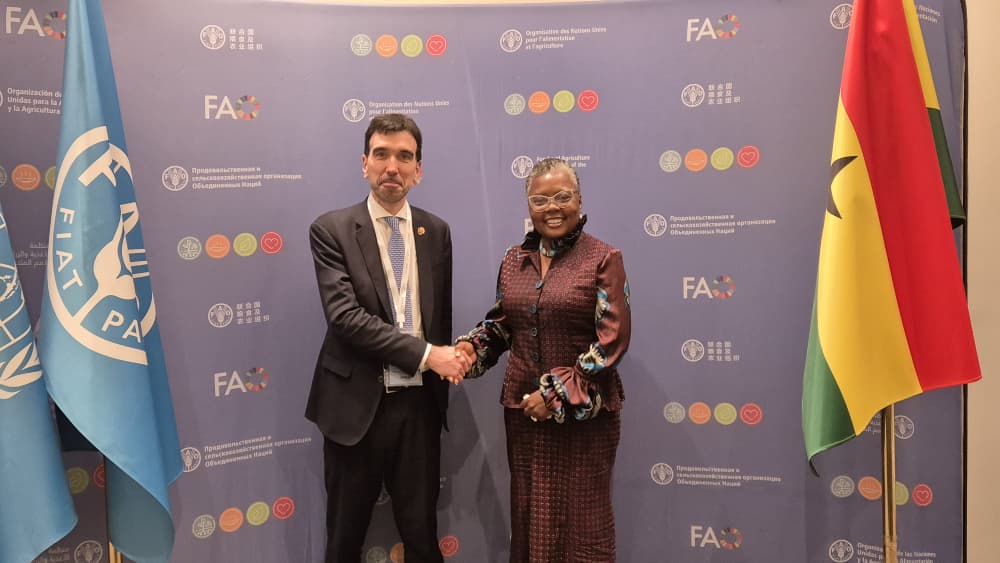
Ghana and the Food and Agriculture Organization (FAO) have launched a high-level partnership aimed at strengthening the country’s Blue Economy, with a focus on sustainable fisheries management, aquaculture expansion, and long-term food security.
The initiative was highlighted during a strategic meeting in Accra between FAO Deputy Director-General Maurizio Martina and Ghana’s Minister for Fisheries and Aquaculture Development, Hon. Emilia Arthur. Both leaders stressed that strong international partnerships are essential for transforming agrifood systems and building resilience against emerging global challenges.
Advancing Ghana’s Blue Economy Agenda
The discussions focused on maximizing Ghana’s aquatic resources to support a more sustainable and climate-resilient food system. As climate change continues to affect agricultural productivity and marine ecosystems worldwide, both parties emphasized the need for innovative approaches to food production and resource management.
Sustainable Fisheries Management
A major priority of the collaboration is strengthening fisheries governance through data-driven policies and enhanced regulatory frameworks. The initiative seeks to combat Illegal, Unreported, and Unregulated (IUU) fishing, protect marine biodiversity, and safeguard the livelihoods of coastal communities that depend heavily on the fishing industry.
Officials noted that sustainable management of fish stocks is critical to ensuring long-term economic stability and food security for millions of Ghanaians.
Expanding Aquaculture Production
The partnership will also focus on accelerating the growth of Ghana’s aquaculture sector. By investing in fish farming infrastructure and modern production techniques, Ghana aims to reduce pressure on wild fish stocks while meeting the country’s growing demand for affordable protein.
Aquaculture is increasingly viewed as a key pillar of the nation’s food security strategy and a viable pathway to creating jobs and stimulating rural economic development.
Transforming Agrifood Systems
Beyond fisheries and aquaculture, the discussions explored ways to integrate aquatic food production into Ghana’s broader agricultural development agenda. This includes improving value chains, reducing post-harvest losses, enhancing market access, and lowering food costs for consumers.
The goal is to build a more efficient and resilient agrifood system capable of supporting economic growth while addressing nutrition and sustainability challenges.
International Cooperation at the Center
Both Ghana and the FAO underscored the importance of global partnerships in achieving lasting results. The collaboration is expected to combine FAO’s technical expertise and international best practices with Ghana’s policy implementation efforts to develop a climate-resilient and sustainable food production system.
Technical Support and Capacity Building
As part of the partnership, the FAO has committed to providing technical assistance, advanced resource management tools, and institutional support to strengthen Ghana’s ability to manage its marine and freshwater resources effectively.
These efforts are expected to improve regulatory oversight and enhance the capacity of local institutions responsible for fisheries and aquaculture development.
Creating Economic Opportunities
The Blue Economy initiative is also expected to generate significant economic benefits, particularly for women and young people who play a major role in fish processing, distribution, and retail activities across the country.
By promoting sustainable aquatic industries, the partnership aims to create green jobs, improve incomes, and strengthen economic resilience in fishing-dependent communities.
A Vision for Sustainable Growth
The renewed collaboration between Ghana and the FAO signals a shared commitment to building a sustainable Blue Economy that supports food security, environmental protection, and inclusive economic growth.
With fisheries and aquaculture playing an increasingly important role in global food systems, both partners believe that strategic investments and international cooperation will be crucial in securing a more resilient future for Ghana’s agrifood sector.
Source: Omanghana