Omanghana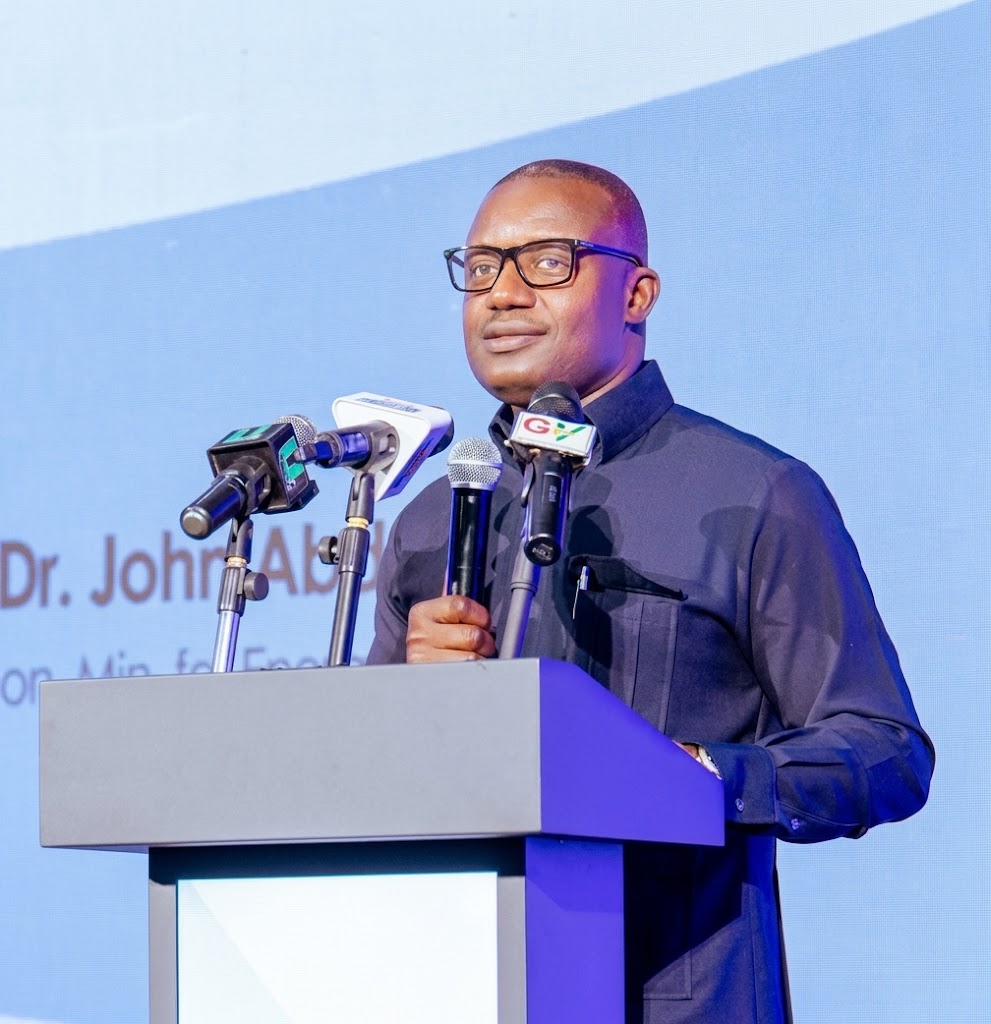
The Government of Ghana says it has cleared approximately $1.47 billion in legacy energy-sector obligations while implementing reforms intended to reduce power-generation costs and prevent another buildup of arrears.
Energy and Green Transition Minister Dr John Abdulai Jinapor said the shift from expensive liquid fuels to domestic natural gas had generated estimated savings of $500 million. Renegotiations with some independent power producers have reportedly delivered another $250 million in savings.
Together, the two interventions represent approximately $750 million in claimed sector savings.
Government Restores World Bank Guarantee
A significant portion of the $1.47 billion expenditure went toward restoring the World Bank Partial Risk Guarantee connected to the Offshore Cape Three Points and Sankofa gas project.
The guarantee was established to protect payments to project partners Eni and Vitol and helped support billions of dollars in private investment in Ghana’s energy sector. It had been depleted following earlier payment shortfalls.
According to the Ministry of Finance, the government repaid $597.15 million, including interest, by December 31, 2025, restoring the facility in full.
Officials said the repayment was necessary to rebuild Ghana’s credibility with international development and energy partners.
Eni and Vitol Gas Invoices Settled
The government also paid approximately $480 million to settle outstanding gas invoices owed to Eni and Vitol.
The companies are major partners in the Sankofa gas project, which supplies fuel for electricity generation. Persistent non-payment had created concerns about gas availability, power reliability and Ghana’s standing with upstream investors.
The Finance Ministry said all outstanding invoices to the two partners for the relevant period had been settled and budgetary provisions made to support payments going forward.
The government has also engaged Tullow Oil and partners in the Jubilee Field on a longer-term arrangement for paying for gas supplied to the power sector.
Nearly $393m Paid to Independent Power Producers
Another $393 million was used to settle legacy obligations to independent power producers in 2025.
Beneficiaries included companies such as Karpowership, Cenpower, Sunon Asogli and Early Power. These producers have historically faced delayed payments for electricity supplied to the national grid, contributing to financial strain and periodic threats to generation.
The payments were intended to reduce overdue balances, improve liquidity and restore confidence among private producers.
The full $1.47 billion expenditure comprised the World Bank guarantee repayment, outstanding gas invoices and legacy IPP obligations, according to the Ministry of Finance.
Switch From Liquid Fuel to Natural Gas
Dr Jinapor said the increasing use of natural gas in thermal power plants had saved Ghana approximately $500 million.
Thermal facilities can operate on liquid fuels such as light crude oil and heavy fuel oil, but these alternatives are generally more expensive and expose the country to international oil prices and foreign-exchange pressures.
Expanding domestic gas production, processing and transportation infrastructure allows more plants to rely on natural gas, reducing fuel costs while supporting local energy resources.
The estimated $500 million represents savings attributed by the government to the fuel transition rather than an additional debt payment.
IPP Renegotiations Produce $250m in Savings
The government has also reopened negotiations with independent power producers to secure revised commercial terms.
Dr Jinapor said the process had produced about $250 million in savings. The renegotiations form part of efforts to reduce fixed costs and improve value for money under Ghana’s power-purchase agreements.
Details of how the savings are distributed across individual contracts have not been fully disclosed publicly. The figure should therefore be understood as the government’s reported estimate.
Cash Waterfall Mechanism Improves IPP Payments
Authorities have tightened the implementation of the Cash Waterfall Mechanism, which governs how revenue collected within the electricity sector is distributed among generators, fuel suppliers and other beneficiaries.
Dr Jinapor said monthly declarations into the mechanism had risen to nearly GH¢15 billion, allowing independent power producers to receive close to the full value of their current invoices.
He explained that before the reforms, only about 16% of declared funds reached IPPs, which received approximately 42% of their invoiced amounts.
Improving current payments is considered critical because clearing old debts without addressing ongoing revenue shortfalls would allow new arrears to accumulate.
Why the Reforms Matter
Ghana’s energy-sector debt has long posed a significant risk to public finances, power reliability and investor confidence.
Unpaid bills can interrupt gas supplies, weaken electricity producers and ultimately require government guarantees or direct budgetary support. Such liabilities also increase sovereign fiscal exposure during periods of economic adjustment.
The government says the combination of debt repayment, lower fuel expenses, revised power contracts and stronger revenue distribution is intended to create a more financially sustainable electricity sector.
Long-term success will depend on whether utilities can improve revenue collection, reduce technical and commercial losses, maintain timely payments and provide reliable power without allowing another cycle of debt to emerge.
Source: Omanghana