Omanghana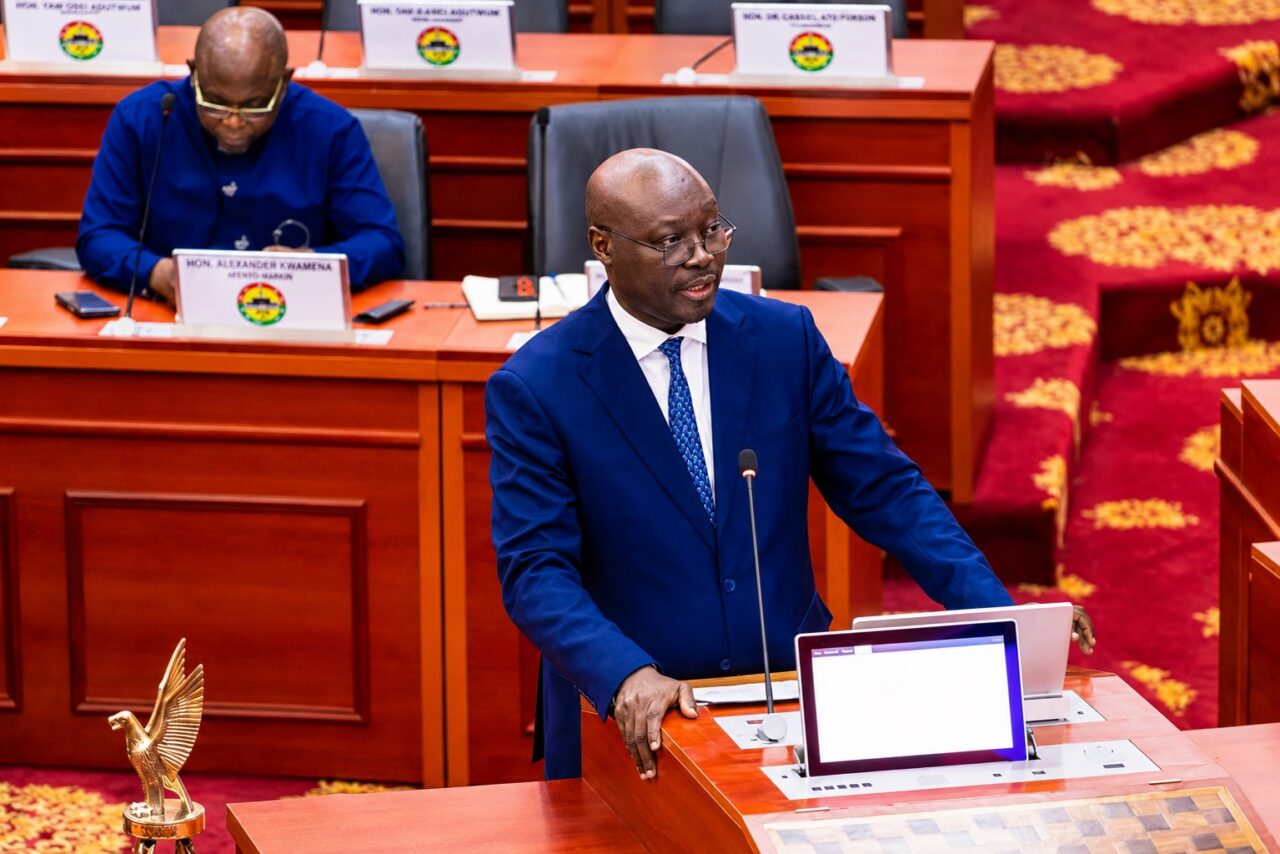
The Government of Ghana has announced sweeping reforms to the country’s public procurement system, significantly reducing the time required to award public contracts while introducing stricter sanctions for officials who violate procurement laws.
The measures were announced by the Minister for Finance, Dr. Cassiel Ato Forson, during the presentation of the 2026 Mid-Year Budget Review and Economic Policy Statement in Parliament on Thursday, July 23, 2026.
The reforms are aimed at accelerating the delivery of government projects, improving value for money, strengthening transparency, and eliminating procurement-related inefficiencies that have long delayed public infrastructure and service delivery.
Procurement Timelines to Be Significantly Reduced
As part of the reforms, the government will drastically shorten the procurement process for key public contracts to speed up project implementation.
Under the new framework:
- National Competitive Tendering (Goods): Procurement timelines will be reduced from 23 weeks to just 8 weeks.
- International Competitive Tendering (Works): The award process will be shortened from 27 weeks to 14 weeks.
According to the Finance Minister, the streamlined timelines are expected to reduce bureaucratic delays while ensuring public projects commence and are completed more efficiently.
Government Targets Procurement Loopholes
The government also announced stricter controls on procurement methods that have frequently been criticized for limiting competition.
Dr. Forson stressed that competitive tendering will remain the standard method for awarding public contracts, while the use of restricted tendering and sole-sourcing will be subject to tighter scrutiny.
One of the key reforms will prevent public institutions from using poor planning as a justification for bypassing competitive bidding.
The Minister made it clear that delays resulting from inadequate preparation or administrative inefficiencies will no longer qualify as emergency situations warranting sole-source procurement.
Sole-Sourcing Limited to Exceptional Cases
Under the revised procurement framework, single-source procurement will only be permitted in clearly defined exceptional circumstances.
These include:
- National security requirements.
- Urgent humanitarian emergencies.
- Situations where only one qualified supplier is capable of providing the required goods or services.
The government says the move is intended to promote fairness, improve competition, and ensure greater transparency in the use of public funds.
Tougher Sanctions for Procurement Violations
To strengthen compliance with the Public Procurement Act, the government will aggressively enforce legal and administrative sanctions against public officials who authorize contracts in violation of procurement regulations.
Officials found to have breached the law could face disciplinary action and other legal consequences.
The Finance Minister emphasized that accountability will be central to the new procurement regime as the government seeks to curb financial mismanagement across the public sector.
Mandatory Finance Ministry Approval
The reforms also introduce stricter financial controls under the revised Public Financial Management framework.
Going forward, no ministry, department, agency, or public institution will be permitted to begin a procurement process or award a contract without first obtaining:
- A valid commencement certificate.
- Explicit approval from the Ministry of Finance.
The government believes this requirement will improve expenditure oversight and prevent unauthorized commitments that place additional pressure on the national budget.
Part of Broader Fiscal Reforms
The procurement reforms form part of the government’s broader fiscal consolidation strategy outlined in the 2026 Mid-Year Budget Review.
By improving procurement efficiency, strengthening compliance with financial regulations, and ensuring greater accountability in public spending, the government hopes to maximize the use of existing resources, accelerate development projects, and maintain fiscal discipline without increasing public debt or seeking additional budget appropriations from Parliament.
Source: Omanghana