Omanghana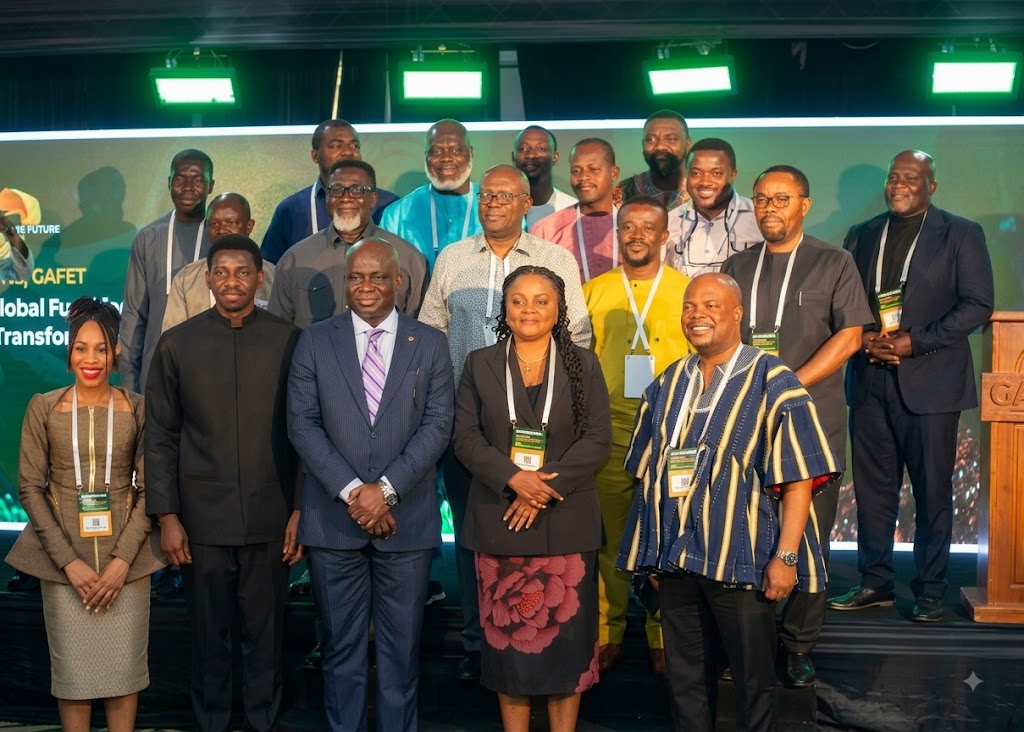
Ghana’s Ministry of Food and Agriculture has launched the Ghana Agricultural Fund for Education and Transformation, a national endowment initiative seeking to raise GH¢100 million by December 2028.
The Minister for Food and Agriculture, Eric Opoku, formally introduced the fund under the administration of President John Dramani Mahama.
Known as GAFET, the initiative represents a shift from short-term grant financing to a permanent investment model designed to support agricultural education, research, infrastructure and entrepreneurship.
The fund began operations with GH¢3.5 million in commitments from its founding partners. Its managers intend to increase the capital to GH¢10 million by December 2026 through a fundraising campaign targeting contributors in Ghana and abroad.
The long-term objective is to build a GH¢100 million endowment by the end of December 2028.
GAFET was established with support from the Coalition of Agribusiness Partners. Five founding companies Agri-soft, GrowForMe, NewAge, Tradeline and Farmerline—presented the initial GH¢3.5 million seed cheque to the Ministry.
Unlike conventional funding programs that spend both grants and donations directly, GAFET will preserve its principal capital. Approved projects will be financed primarily with the annual investment returns generated by the endowment.
The arrangement is intended to create a predictable and sustainable source of funding that can continue supporting agricultural institutions without depending solely on annual government allocations or short-term donor programs.
Among GAFET’s priorities is the modernization of laboratories, training workshops and demonstration farms across 21 agricultural institutions initially selected to benefit from the program.
The fund will also support efforts to make agricultural education more practical. Students are expected to receive greater exposure to agricultural machinery, modern farming technology and field-based training instead of relying largely on classroom theory.
GAFET will provide competitive research grants, finance faculty development and offer scholarships to students pursuing agriculture-related programs. These interventions are expected to improve teaching quality and encourage research that addresses challenges confronting Ghanaian farmers and agribusinesses.
Another major focus will be student entrepreneurship. The initiative plans to support the incubation of student-led agribusinesses and equip graduates with the skills required to establish and manage commercially sustainable agricultural operations.
Through the fund, MoFA is seeking to strengthen the connection between academic training and the practical needs of Ghana’s agricultural economy.
The success of the initiative will depend on sustained contributions from businesses, development partners, philanthropic organizations, professional associations and individuals within Ghana and the diaspora.
If the GH¢100 million target is achieved, GAFET could provide agricultural institutions with a long-term funding base for infrastructure, innovation, research and human-capital development.
Source: Omanghana